TLDR;
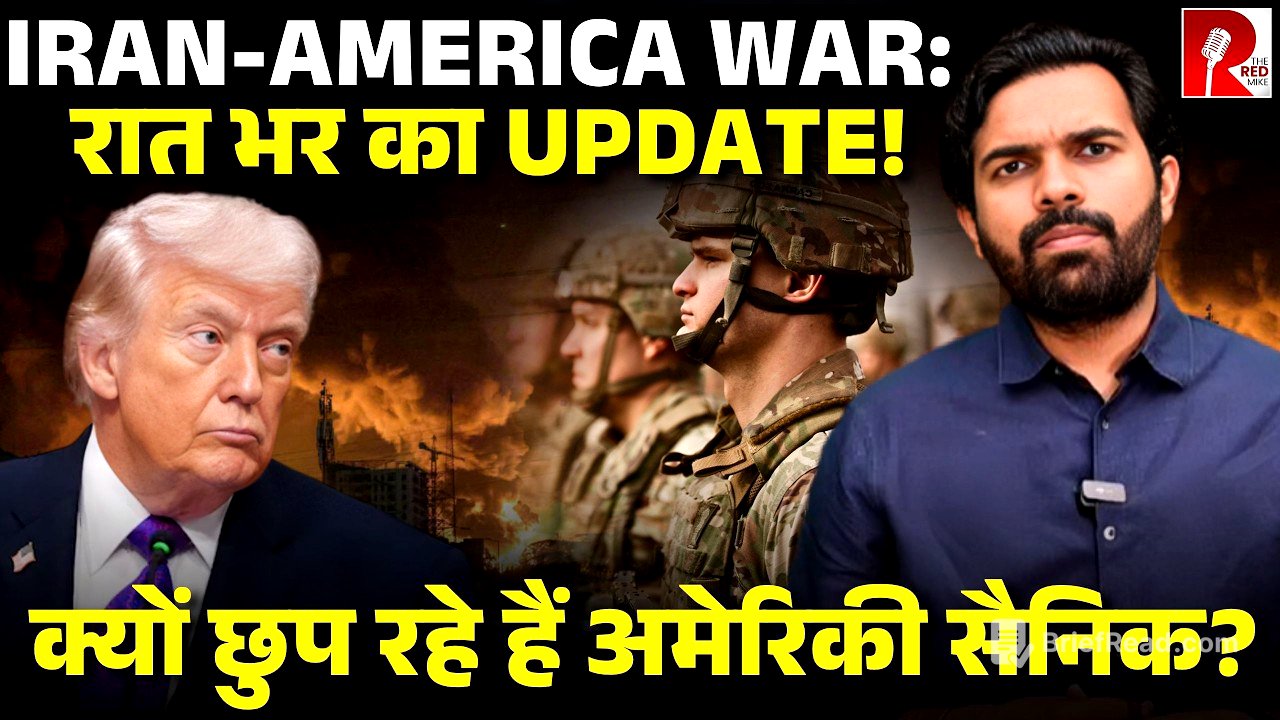
This video provides an update on the escalating tensions in the Middle East, focusing on the movements of US troops, Iran's threats, and the potential for a larger conflict. It also touches on Trump's statements regarding Iran and the implications for Indian citizens in the Gulf region.
- US troops are relocating from bases to hotels in the Gulf due to Iranian threats.
- The US has issued a travel advisory for the UAE, urging citizens to leave or seek shelter.
- Iran is threatening to close the Bab el-Mandeb Strait, which could disrupt global oil supplies.
- Trump claims Iran offered him the position of Supreme Leader and gifted oil tankers, claims which are disputed.
- Iran denies any negotiations with the US and warns Gulf states to expel American forces.
Introduction [0:00]
The presenter introduces the day's updates on the escalating situation in the Middle East, noting the significance of the weekend ahead due to the anticipated arrival of American troops and growing concerns about a potential US ground invasion of Iran. He promises to provide information gathered from various sources and confirmed to the best of their understanding.
US Troop Movements and GCC Hotel Concerns [1:00]
The New York Times reports that approximately 4,000 US troops were stationed in the Middle East when the conflict began. As tensions rose, the Central Command dispersed thousands of troops, some as far as Europe, though many remained in the Middle East but not at their original bases. These troops have reportedly sought refuge in hotels in the UAE, Qatar, and Bahrain. Seyed Abbas Araghchi, the Iranian Foreign Minister, shared a booking cancellation from a Hilton hotel, indicating that hotels in the Gulf Cooperation Council (GCC) countries are hesitant to accommodate US soldiers due to fears of attacks.
US Travel Advisory for the UAE [3:55]
The US has raised the threat level for the UAE to three, advising American citizens to reconsider travel and, if remaining, to seek secure shelter due to potential missile or drone attacks. Commercial flights are operating on a limited schedule, with some cancellations, but direct flights to the US are currently available. Land borders with Oman and Saudi Arabia are open, but travellers may experience congestion and delays.
UAE's Stance and Iranian Retaliation Threats [6:31]
The UAE, through its officials, has been expressing anti-Iran sentiments, suggesting the Iranian regime should be eliminated. Given these statements, Iran is likely to launch significant attacks on the UAE. Iran claims that previous attacks on its facilities were launched from UAE bases. The presenter notes that American soldiers have fled their bases in the UAE and are hiding in hotels due to Iranian pressure. Iran is demanding that Gulf countries expel American forces to avoid further conflict and potential harm to Muslims.
Trump's Statements and Pakistani Involvement [8:08]
Trump claimed that Iran gifted the US 10 oil tankers with Pakistani flags to build trust, a claim Iran denies. He also stated that Iran offered him the position of Supreme Leader, which he declined. Pakistan denies officially mediating negotiations between the US and Iran but acknowledges back-channel discussions.
Potential US Strategy and Iranian Response [9:51]
The US may attempt to capture Kharg Island, through which Iran exports 90% of its oil, to pressure Iran. Approximately 3,200 US troops are expected to arrive, potentially as part of a plan to use air superiority for attacks. Iran has warned that it may close the Bab el-Mandeb Strait, a critical route for global oil supplies, connecting the Red Sea to the Arabian Sea. This strait is only 30 km from the US military base in Djibouti.
Escalation and Impact on Israel [11:36]
Iran has increased its attacks on Israel, causing significant damage in Tel Aviv. These actions demonstrate that Iran is not currently engaged in negotiations or seeking a settlement, and will only negotiate if the US ceases hostilities and provides assurances against future attacks. Al Jazeera reports that over one million fighters in Iran are prepared for a ground battle with the US.
Conditions in US Bases and Trump's Ambiguous Stance [14:08]
Many of the 30 military bases in the region used by American troops are uninhabitable, with the bases in Kuwait suffering the most damage. When questioned about the Friday deadline for Iran, Trump remained ambiguous, stating that there is still time. Qatar is preparing for potential nuclear gas leaks, indicating the widespread instability in the Middle East.
Israeli Military Concerns and Impact on Indian Citizens [15:53]
Reports suggest that the Israeli military is on the verge of collapse. The presenter expresses concern for the many Indian citizens residing and working in the Gulf region, noting that several have already died in recent attacks. The presenter highlights the potential dangers if the conflict intensifies.
Iranian Foreign Minister's Statement and Final Thoughts [17:17]
The Iranian Foreign Minister denies any ongoing negotiations with the US, stating that any talk of negotiations is an admission of defeat by the Americans. The presenter concludes by emphasising the critical nature of the next 24 hours and expresses hope that the situation does not further escalate. He acknowledges Iran's firm stance and the potential for a major conflict, drawing parallels to historical events and underscoring the potential for significant casualties on both sides. The presenter also notes the increasing scarcity and rising prices of essential resources like petrol and diesel.