TLDR;
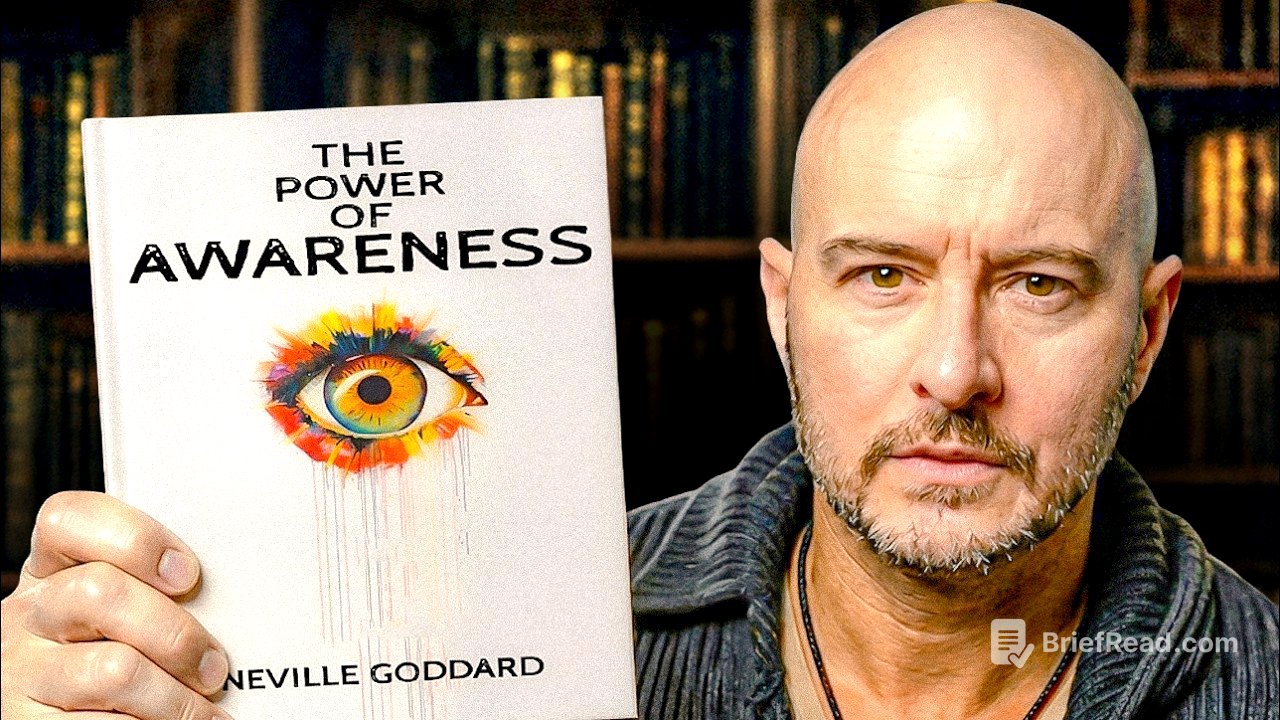
In this video, Daniel Moreno explains the power of the subconscious mind and how it influences our thoughts, emotions, and behaviors. He highlights the significance of programming the subconscious to achieve desired outcomes rather than merely relying on conscious willpower. Key takeaways include understanding the distinction between wanting and feeling fulfilled, using emotional engagement to communicate with the subconscious, and employing specific techniques to reprogram oneself.
- The subconscious mind governs up to 95% of our mental activity.
- Emotional states, rather than logic, influence the subconscious.
- Techniques such as autosuggestion, sensory saturation, and revision can effectively reprogram the subconscious.
Understanding the Subconscious Mind [0:00]
Daniel introduces the concept that the conscious mind is not the primary driver of our thoughts and actions. In fact, up to 95% of mental activity occurs in the subconscious, which runs our behaviors and emotional responses. The conscious mind may feel like it’s in control, but it acts more as a narrative voice. He emphasizes that the programming embedded in the subconscious, often established in early childhood, influences the outcomes of our lives, independent of our conscious goals.
How to Program Your Subconscious [4:04]
Moreno discusses how the subconscious is not influenced by logic or repetitive affirmations devoid of emotion. Instead, it responds to feelings and sensory experiences. The core idea is that the subconscious interprets the emotional state as current reality, reinforcing beliefs of lack or abundance based on feelings experienced rather than conscious intentions. Techniques such as using the feeling of a wish fulfilled play a critical role in changing subconscious programming.
Power of Emotional Engagement [7:56]
Daniel explains that the reticular activating system (RAS) in our brain filters relevant information based on previously established emotional contexts. By filling the subconscious with emotionally charged images, we align the RAS to recognize opportunities that help manifest our desires. This leads to a shift where individuals may seem "lucky" as they attract what has now become relevant to them.
Methodologies to Retrain the Subconscious [12:44]
Moreno outlines various under-discussed techniques for programming the subconscious, starting with autosuggestion. He shares that engagement through imagination combined with emotional resonance can override willpower in achieving behavior change. His exploration includes how visualizations must be vivid and immersive rather than superficial for effective results. Techniques like the ‘revision technique’ involve reprogramming the emotional reaction tied to past experiences.
Actionable Steps for Change [15:18]
In the closing sections, Daniel provides practical steps to apply the discussed concepts. He emphasizes the importance of identifying the emotional state desired, utilizing the drowsy state before sleep for subconscious access, and consistently engaging in visualization practices. He advises against sporadic efforts and instead recommends daily commitment, akin to training the body through exercise, to genuinely reform one's subconscious beliefs and overcome self-imposed limitations.