TLDR;
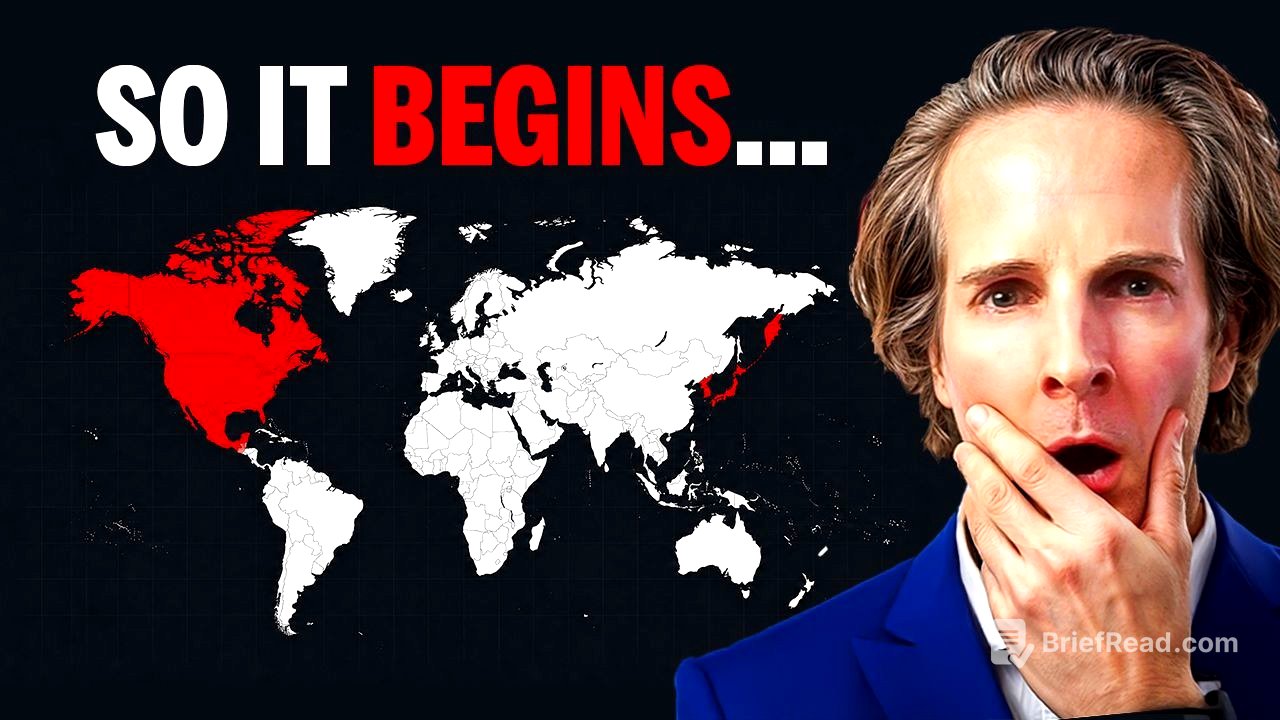
In this video, Felix discusses significant recent events in the financial markets, focusing on the coordinated currency intervention between the United States and Japan. Key points include the immediate market impact of these interventions, the concept of carry trades, and the broader implications for investors, especially beginners.
- Japan and the US conducted a massive currency intervention.
- Nearly $1 trillion vanished from US stocks in 40 minutes.
- The carry trade mechanism is crucial to understanding current market upheavals.
Intro [0:00]
The video begins with Felix highlighting a historic currency intervention between Japan and the United States. Japan executed the largest single-day currency intervention in history, spending $53 billion to stabilize the yen, while the US also joined in to buy yen. This unprecedented action had immediate and drastic consequences, resulting in nearly $1 trillion loss in US stocks in just 40 minutes.
Winston [0:35]
Felix introduces Winston, his companion in the video, who has a background as an investment banker. They both emphasize their expertise and the importance of understanding the financial maneuvers occurring in the markets, particularly for beginners.
Leaked Notepad: Besson's Buy Yen Order [0:42]
Details are provided about a photo taken of Treasury Secretary Scott Besson's notepad, which contained notes about buying Japanese yen. This leak represents a tangible plan for intervention that shocked market participants and marked a significant shift in US financial policy toward foreign currency interventions.
One Trillion Dollars Vanish in 40 Minutes [1:08]
Following the revelation of the US's intention to intervene in the yen's value, the S&P 500 index dropped sharply, erasing $1 trillion in market capitalization in 40 minutes. This rapid decline reflects deep-rooted issues in the financial system tied to interconnected global markets.
Korea's KOSPI Crashes 30% in a Month [1:21]
Felix touches on the rapid decline of South Korea's KOSPI index, which fell over 30% in a single month, indicating a crisis that surpassed previous downturns, including those during the 2008 financial crisis and the 1997 Asian financial crisis. This event serves as a warning signal of instability in markets closely tied to investor sentiment.
Four Headlines, One Hidden Machine [1:41]
Felix suggests that the events of the week—Japan's intervention, the US response, the collapse of Korean markets, and the massive fluctuations in US stocks—are interconnected, stemming from a single underlying financial mechanism. Understanding this “hidden machine” is essential for navigating these tumultuous times.
Meet Felix Prehn and Winston [2:34]
Felix elaborates on his and Winston's backgrounds in investment banking, reinforcing their credibility and commitment to providing valuable insights into the complexities of modern financial markets.
Why Beginners Get Hurt Most [3:19]
The video emphasizes that beginners are often the most adversely affected during market downturns, as they may panic and make poor investment decisions. Felix expresses a desire to educate and empower beginners to avoid such pitfalls during volatile market conditions.
Free Beginner Seminar Saturday 9am ET [4:06]
Felix announces a free beginner seminar aimed at equipping novice investors with essential skills to navigate financial markets confidently. He outlines the seminar details, encouraging participation as a way to gain valuable knowledge in a structured format.
Step One: Yen Hits 40-Year Low Near 160 [5:12]
The video highlights the fall of the Japanese yen to its lowest value in 40 years, reiterating the significance of this decline in relation to broader market dynamics. Felix compares the situation to a bucket leaking savings, indicating the severity of Japan's economic condition.
Step Two: Japan's $53 Billion Single-Day Buy [5:48]
Japan's government intervened decisively, spending $53 billion in a single day to purchase yen and support its currency. This marked a historic moment in financial intervention strategies and emphasized the urgent need to stabilize the yen.
Step Three: US Joins by Selling Euros [6:14]
The US response involved the sale of euros to support the yen rather than direct intervention with dollar purchases. This unusual tactic signifies deep concerns about the global financial landscape, illustrating the interconnectedness of major world economies.
Step Four: The Leaked Besson Notepad Photo [7:07]
The notation found on Secretary Besson's notepad showcasing plans to purchase yen provides concrete evidence of the US’s intentions, reinforcing the significance of this intervention in affecting market confidence and investor behavior.
Why the Yen Is Everyone's Problem [8:20]
Felix explains that the yen's performance impacts not just Japan but the entire global financial system due to widespread reliance on currency carry trades. He stresses that investors need to recognize that fluctuations in the yen can lead to broader economic repercussions.
Carry Trade Explained Like You Are Twelve [8:53]
The carry trade is discussed in simple terms, illustrating how investors borrow in low-interest currencies like the yen and invest in higher-yielding assets. This type of trading has been foundational for many market strategies but poses risks if currency valuations change unexpectedly.
Borrow Free Yen, Buy US Assets [9:08]
Felix states how investors benefit from borrowing yen at zero interest, using these funds to purchase US stocks and bonds, generating profits from the yield difference. This strategy has been prevalent but is threatened by shifting currency values.
Stronger Yen Triggers Margin Calls and Selling [10:21]
The potential strengthening of the yen leads to margin calls, where borrowers must repay their loans amid rising values. This creates a rush to sell assets, particularly US stocks, leading to cascading sell-offs that dramatically impact market stability.
Japan: Largest Foreign Holder of US Debt [12:43]
Japan's position as the largest foreign holder of US debt highlights the complexities of currency fluctuations. Selling US debt to support the yen could lead to higher interest rates and exacerbate the US's existing debt challenges.
Selling US Debt Pushes Interest Rates Up [13:02]
Felix outlines how Japan's need to sell US debt to stabilize its currency could have a direct effect on US interest rates. As rates rise, the cost of servicing the US's significant debt burden may also increase, impacting broader economic conditions.
The $40 Trillion Debt Machine Connection [13:37]
This chapter draws connections between the weak yen, carry trade dynamics, and the $40 trillion US debt. The interdependencies of these elements indicate that market actions are interconnected and can create a feedback loop of economic challenges.
Korea: The Canary in the Coal Mine [14:05]
The decline in Korea's stock market serves as a warning sign of potential issues within global financial markets. The rapid drop provoked emergency trading halts and raised alarms about broader market vulnerabilities.
Step One: Do Not Hold Too Much Cash [16:52]
Felix advises against holding excessive cash during times of market instability, suggesting that cash loses value due to inflation. He recommends maintaining a manageable emergency fund while investing in hard assets that retain value.
Step Two: Own Hard Assets With Pricing Power [17:25]
The second step emphasized owning hard assets, such as real estate and stocks of companies that can raise prices without losing customers. These assets tend to perform well during periods of economic stress and inflation.
Winston App: Screening for Wide-Moat Stocks [17:44]
Felix promotes the Winston app, designed to help investors find stocks with a competitive advantage—referred to as "wide-moat" stocks. This tool can assist users in identifying resilient investment opportunities.
Buy the Pickaxe Sellers, Not AI Chips [19:02]
Felix advocates for investing in companies that provide infrastructure and services to technology and AI sectors rather than directly buying into emerging technologies. These "pickaxe sellers" are likely to thrive regardless of which specific tech company succeeds.
Outro [19:49]
Felix concludes by reiterating the interconnected nature of recent financial events and their implications for investors. He emphasizes the importance of understanding the market dynamics at play and encourages beginners to engage in the upcoming seminar for further education on navigating these changes.