TLDR;
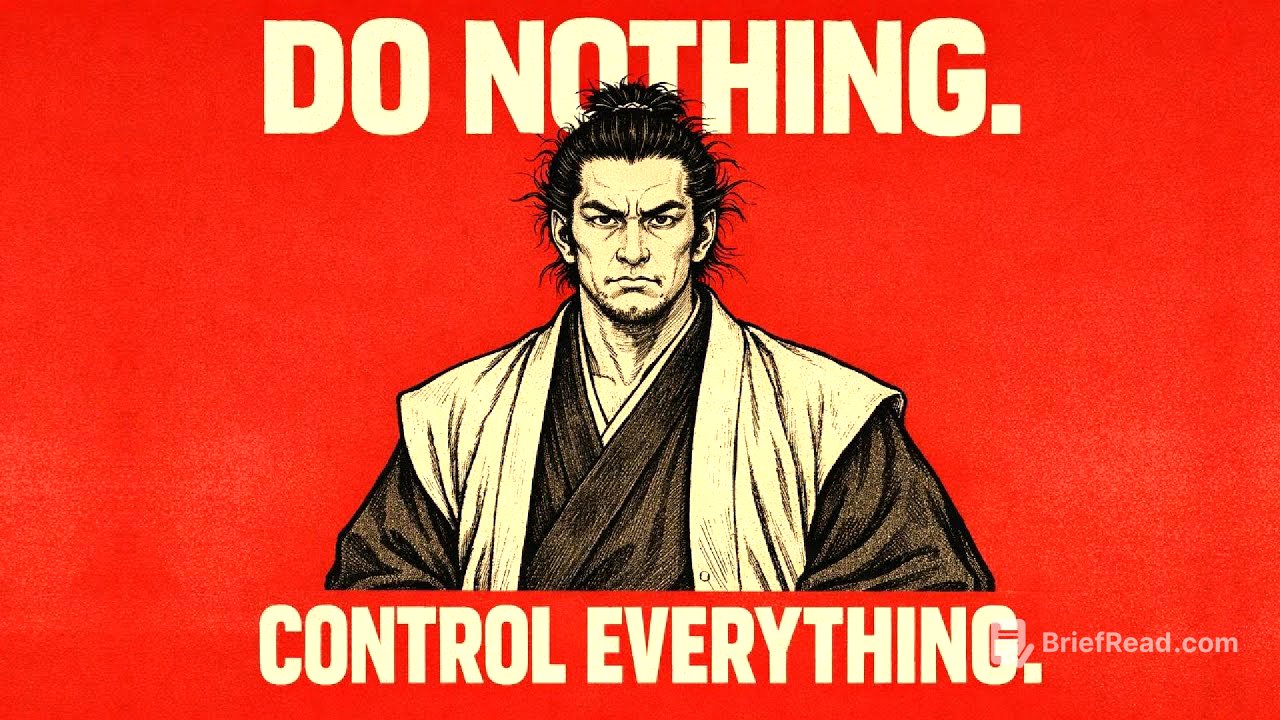
This video discusses the concept of "ma," the Japanese notion of intentional space and timing, emphasizing that true power lies not in constant action but in knowing when to pause. The narrative highlights how modern society often equates busyness with productivity but ultimately diminishes judgment and clarity. The content is structured into chapters, each exploring the significance of stillness, the impact of timing in decision-making, and the ways in which mastering ma can enhance control and presence in life.
- Power comes from intentional pauses, not incessant action.
- Mastering ma allows for better decision-making and emotional control.
Understanding Ma: The Power of Space [2:30]
The concept of "ma" does not represent laziness or inactivity; it signifies the intentional space between actions. This discipline is crucial because many equate stillness with weakness, whereas the Japanese view "ma" as necessary for meaningful action. In this chapter, it is emphasized that pauses in art and music allow for meaning and contrast, demonstrating that, without such spaces, life becomes cluttered and chaotic. Upon reflection, viewers are prompted to consider how often they allow pauses before reacting.
The Weakness of Constant Action [5:37]
Constant activity diminishes decision-making clarity as people react quickly without truly assessing situations. The Japanese philosophy suggests that moving without pause leads to poor judgment and wasted energy. By rushing to act, individuals compromise their ability to see patterns and make sound choices. This chapter highlights that true power lies in the ability to wait and act with precision, which requires training to resist the discomfort that often accompanies stillness.
Ma in Samurai Combat: Timing and Control [9:14]
In samurai combat, timing and the ability to control "ma" can determine the outcome of a battle. A samurai's strength lies in their capacity to remain present and patient, allowing them to discern their opponent's intentions through subtle cues. Rushing reveals fear and intention, whereas waiting supports awareness and control. This practice showcases how mastering the pause can disrupt an opponent's rhythm, illustrating the broader lesson that those who can maintain composure in tension hold significant leverage.
Facing the Mental Challenges of Stillness [12:06]
"Ma" can feel intimidating because it forces individuals to confront their thoughts and discomforts without distraction. The instinct to act can feel safer than remaining still, but stillness provides clarity and strength. This chapter asserts that avoiding the urge to react in the face of anxiety fosters emotional restraint and encourages a more thoughtful approach to decision-making. This mental discipline helps cultivate power instead of succumbing to panic.
The Discipline of Timing in Action [15:22]
The practice of "ma" revolves around knowing when to act and when to hold back. Poor timing can lead to drastic mistakes, overshadowing one's efforts. In this chapter, it is explained that waiting correctly enhances decision-making and perception. “Ma” trains individuals to build momentum without prematurely releasing it, thereby creating opportunities that can be seized at the right time. The chapter emphasizes the importance of patience and timing over constant motion.
Incorporating Ma into Daily Life [19:08]
"Ma" manifests in everyday life through minor intentional pauses that significantly enhance control over one's reactions. It highlights the importance of responding mindfully rather than automatically to stimuli. The ability to pause interrupts habitual reactions, giving individuals a chance to respond deliberately. This chapter emphasizes that these small acts of stillness foster leverage and clarity, preventing emotional turmoil from derailing decision-making processes.
The Calm of Powerful Individuals [22:56]
Truly powerful people often project calm rather than frantic energy. This chapter discusses how their presence is anchored in spaciousness and intentional pauses, which allow them to move with purpose rather than reactively. Calmness is viewed as a discipline rather than a personality trait, teaching that control is fostered through the ability to remain composed amid chaos. The emphasis is placed on the benefits of waiting and being present, which enhances one's effectiveness.
Mastering Ma: Developing Patience [26:40]
To master "ma" means to become comfortable with moments of uncertainty and unfinished business. This chapter urges individuals to resist the quick fixes for discomfort and to embrace the power of patience. By slowing down and not forcing closure or immediate decisions, one can observe others' reactions and gain insight into their intentions. This mastery of stillness allows for controlled interactions without succumbing to pressure, ultimately reshaping the dynamics of everyday life.