TLDR;
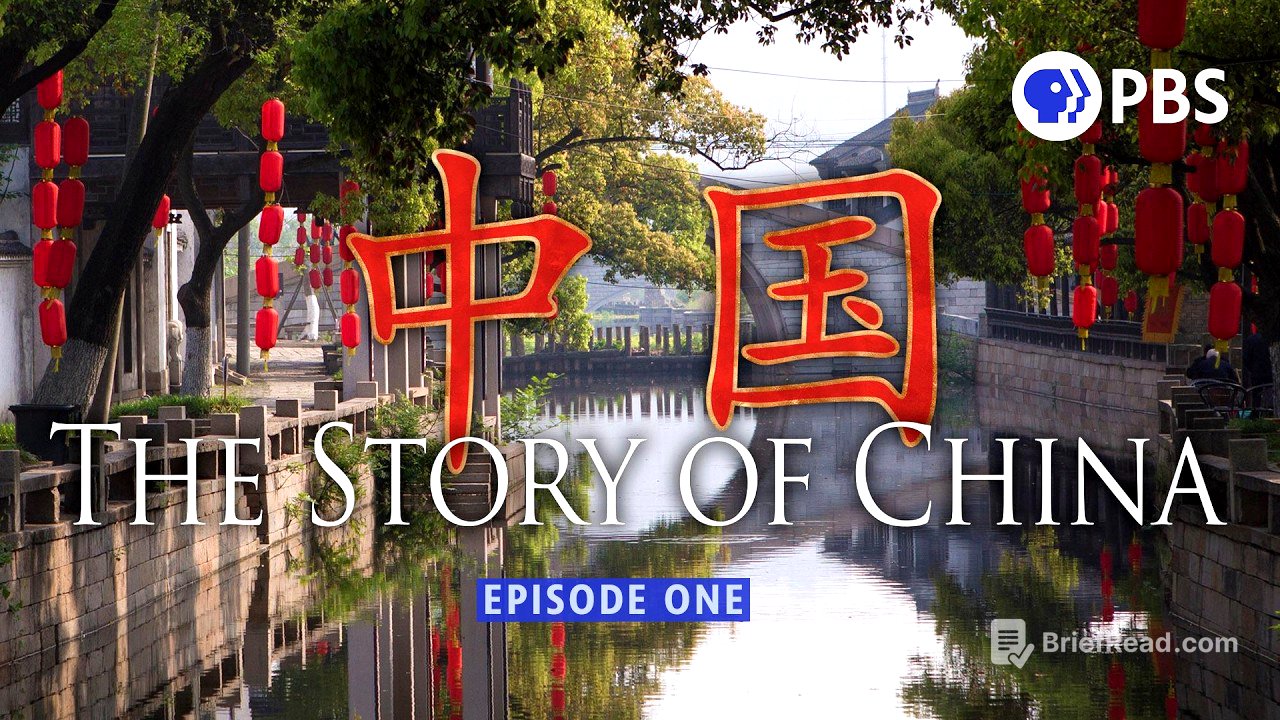
This video explores the rich history and cultural identity of China, emphasizing its ancient traditions, values, and the significance of family. It highlights the journey from imperial rule to modern consumer society, showcasing the revival of historical consciousness among the Chinese people. The narrative includes key events, figures, and folklore that have shaped Chinese civilization over thousands of years.
- China is the oldest continuous civilization, with a history spanning over 3,000 years.
- The Qing Ming Festival represents the importance of honoring ancestors in Chinese culture.
- Key figures, such as Confucius, played a significant role in shaping Chinese philosophy and ethics, emphasizing virtue and morality in governance.
Understanding Modern China Through Its Ancient Heritage [0:07]
The video introduces viewers to the different dimensions of China today, from its one-party state and economic growth to its long-standing civilization that dates back thousands of years. To comprehend contemporary China, it is crucial to delve into its historical narrative, filled with incredible events that shaped the identity and beliefs of its people.
The Significance of Ancestry and Family [2:00]
Each year, tens of millions of Chinese celebrate the Qing Ming Festival by returning home to honor their ancestors. This chapter features Michael's journey to Wuxi for his family reunion, showcasing the transition of Chinese society towards consumerism after Chairman Mao's regime. As people embrace modern freedoms, they reconnect with age-old beliefs centered around familial ties, further underscoring the importance of family in Chinese culture.
Rediscovering Lost Traditions [3:56]
The Qin family visits the grave of their founding ancestor, displaying how Chinese people maintain connections to their past despite historical upheavals. The Cultural Revolution had previously suppressed such traditions, but family members have begun to restore their history and values. The drive to remember the past resonates with a broader trend throughout the country as families reclaim their heritage.
Exploring Ancient Myths and Legends [9:10]
Inspired by the Great Farmer’s Festival, the chapter unravels the myths of the Chinese civilization, particularly the tale of Nuwa, the mother goddess. It illustrates how cultural narratives not only reflect the origins of Chinese identity but also endure through generations, highlighting the role of women in preserving these ancient stories.
The Role of the Yellow River in Chinese History [11:45]
The Yellow River was pivotal to the development of Chinese civilization, crucial for agriculture and societal growth. While it provided sustenance, it also posed great dangers, shaping the collective memory. The myth of King Yu, who managed the river's flooding, symbolizes the intertwining of history and myth, revealing the roots of political power in China.
The Xia and Shang Dynasties: Foundations of Chinese State [14:40]
This chapter discusses the transition from myth to recorded history with the Xia and Shang dynasties. Archaeological discoveries of ancient sites like Erlitou provide evidence for these dynasties’ existence and their significance in shaping early political structures and cultural practices, illustrating how myths converge with historical records.
The Shang Dynasty's Legacy and Writing System [18:30]
The Shang dynasty marks the emergence of written records in China through oracle bones, offering insight into the beliefs and practices of the time. The writing system laid the foundation for modern Chinese script, showcasing the connection between ancient civilization and contemporary identity.
Conflict and Philosophy in the Warring States Period [25:00]
This segment examines the Warring States period, a time of political fragmentation that prompted philosophical reflection on governance and morality. The rise of different schools of thought, including that of Confucius, emerged as thinkers sought to promote virtue amid chaos, leading to the foundations of Chinese ethics.
Confucius and His Philosophical Influence [34:40]
Focusing on Confucius, this chapter portrays his vision of a harmonious society governed by virtuous rulers. His teachings, compiled in the Analects, emphasize moral governance rather than mere law enforcement, stressing the importance of ritual and respect for tradition in statecraft.
The Qin Dynasty's Transformation of China [45:40]
The Qin Dynasty, under Qin Shi Huangdi, unified China, establishing the first centralized empire through military conquest and strict governance. The chapter discusses the lasting impact of Qin policies on the state and the cultural identity that continues to shape China today, including bureaucratic structures and standardized practices.
The Han Dynasty: A Synthesis of Tradition and Governance [50:35]
This segment highlights the Han Dynasty’s balance between the harsh measures of the Qin and Confucian ideals of governance. It marks a period of prosperity, trade development via the Silk Road, and the establishment of cultural practices that connect modern Chinese society to its historical roots, solidifying the notion of a collective identity.
The Revival of Ancient Rituals in Modern China [54:30]
The concluding chapter reflects on the resurgence of ancient rituals in China's contemporary landscape. With the revival of ceremonies honoring ancestors and the restoration of historical beliefs, the Chinese people are increasingly viewing their rich cultural past as a source of strength in shaping an optimistic and confident future for their civilization.