TLDR;
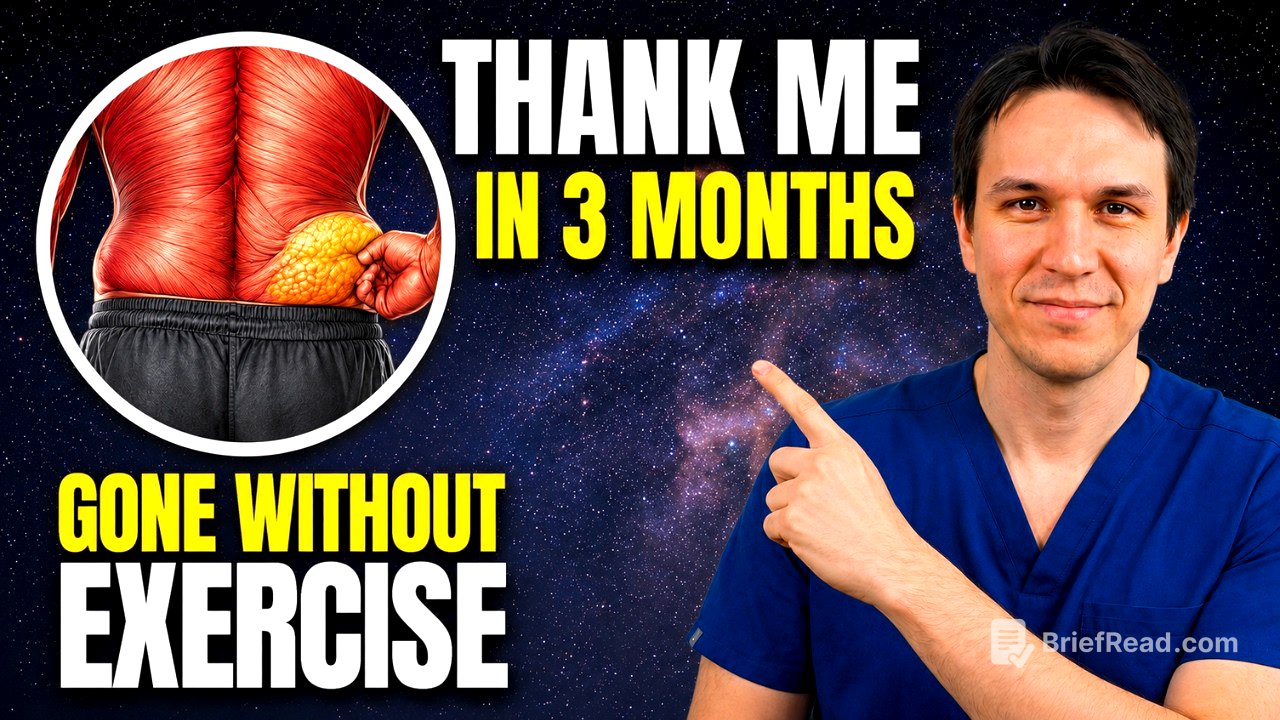
In this lecture, the speaker discusses a 2019 study from the University of Sydney that reveals why love handles—stubborn fat around the waist—are particularly resistant to conventional fat loss methods. The study revealed that hormonal factors, specifically cortisol and insulin, play crucial roles in fat retention in this area. The speaker introduces a three-part protocol to effectively target both hormones to break the cycle of fat storage, offering practical steps and a structured plan to help individuals reduce their love handles.
- Love handles are primarily impacted by hormonal factors rather than exercise or diet alone.
- The speaker outlines a three-part protocol that addresses cortisol and insulin levels through specific actions: post-meal squats, morning routines, and meal sequencing.
Understanding Love Handles and Hormones [0:00]
The lecture begins with an introduction to a study from the University of Sydney that surveyed over 4,000 adults who successfully lost weight through diet and exercise. When asked about the hardest area to lose fat, over 62% indicated love handles. The top strategies they reported using—ab exercises, increased cardio, and calorie restriction—are actually the least effective for targeting this area. The lecture emphasizes that love handles are not a result of poor discipline; instead, they are influenced by hormonal instructions that necessitate a targeted approach to fat loss.
Cortisol's Role in Fat Storage [2:52]
The first hormone discussed is cortisol, which increases during periods of stress, causing the body to store energy centrally. When cortisol is elevated, it directs fat to the waist area, especially the flanks. This leads to a cycle where fat storage increases cortisol production due to an enzyme called 11 beta HSD1 located in fat tissue, creating a self-reinforcing loop that makes love handles difficult to lose.
Insulin's Contribution to Love Handles [6:06]
The second hormone is insulin, which is released in response to blood sugar spikes after eating, particularly after carbohydrate consumption. Elevated insulin levels can lead to insulin resistance, which keeps glucose in the bloodstream and signals the body to store fat in the abdominal region, further contributing to love handles.
Breaking the Hormonal Loop: The Three-Part Protocol [8:55]
To combat the stubbornness of love handles, the speaker introduces a three-part protocol that targets both hormones simultaneously.
Post-Meal Insulin Reset: After every meal, perform 10 slow air squats to activate GLUT4 transporters that draw glucose from the bloodstream into muscle cells, reducing insulin spikes that lead to fat storage.
Morning Cortisol Window: In the first hour after waking, engage in steps that can help regulate cortisol levels. These include exposure to natural light, delaying coffee intake, and eating a high-protein breakfast to prevent elevated cortisol throughout the day.
Meal Sequencing: Change the order of meal consumption to eat protein first, then fiber, followed by carbohydrates. This sequence helps to manage insulin levels effectively, as protein stimulates GLP-1, which slows gastric emptying and reduces insulin responses.
Implementing the Protocol in Daily Life [17:24]
The lecture provides a structured example of a day implementing the three-part protocol. It emphasizes preparation, such as arranging clothes the night before for easy access to morning sunlight, consuming high-protein breakfasts, and performing squats after meals. Consistent adherence to this structured approach over time is essential for reducing love handles and achieving visible changes in waist circumference.
Addressing Common Questions [29:27]
The speaker addresses frequently asked questions regarding the protocol, such as how long it may take to see results, whether other exercises can replace air squats, and the implications of intermittent fasting. The importance of large muscle contractions shortly after eating is emphasized, along with the adaptation of the protocol for various eating schedules, particularly for women, who may experience pronounced cortisol responses to extended fasting.
Conclusion and Further Resources [33:16]
The speaker encourages viewers to explore an ebook that outlines the complete 30-day protocol for metabolic fat loss, which incorporates all the elements discussed in the lecture. The takeaway is that understanding and applying hormonal principles can lead to significant changes in body composition, specifically in overcoming the challenge of love handles.