TLDR;
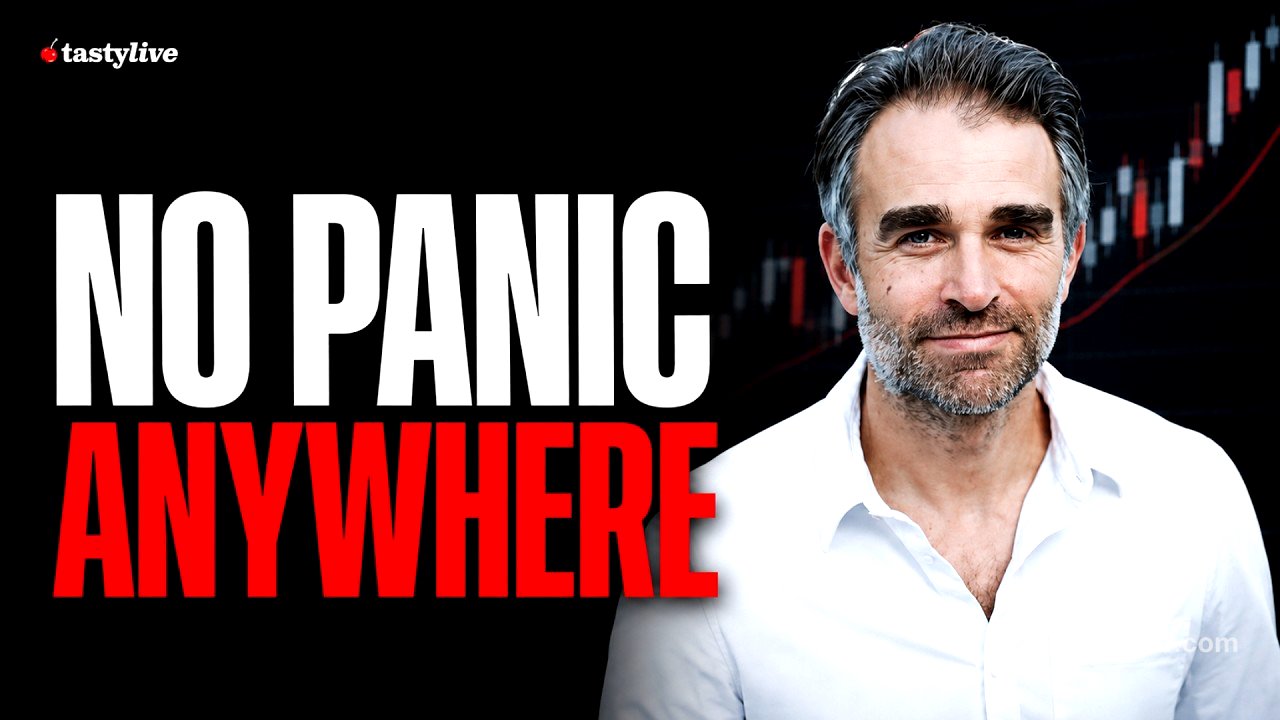
The video provides insights into current market activities, particularly focusing on options trading strategies, shifts in investor sentiment, and price movements in major tech stocks. Key discussions revolve around the influence of software stocks, trading strategies involving options on earnings, insights into Tesla and SpaceX, and speculative trends observed in the market.
- The market shows significant trading opportunities, particularly in technology and software stocks.
- Software stocks have been particularly strong, demonstrating bullish risk appetite among investors.
- Various trading strategies involving options are discussed, including financing calls with puts and calendar spreads.
- External macroeconomic factors are explored, including the impact of crude oil prices on the market.
Gamma Guy on the Street [0:00]
The video begins with an observation that the markets are providing many trading opportunities compared to previous days that were considered dull. An emphasis is placed on the bullish sentiment surrounding software stocks, especially following strong earnings from Microsoft and other tech companies. Discussions highlight that traders are looking for upside potential in these stocks as well as an absence of bearish sentiment in the options market.
Why Software is Exploding [0:38]
The conversation shifts towards the rapid growth and positive price action in software stocks. The discussion underscores a shift in market sentiment, indicating that investors have a strong appetite for bullish trades in tech. Various examples are given, showing how current options prices for these software stocks reflect a bullish outlook. The presenters mention that traders are increasingly using short-term options to capture potential upside movement.
The Cheapest Calendar He Has Seen [2:00]
In this segment, the discussion focuses on unique trading setups in options, particularly involving calendar spreads in software stocks. One example is provided regarding the relatively high price for near-term options compared to longer ones. The presenters express interest in this trading phenomenon, noting how it allows for significant cost basis reduction when investing in long-dated options.
Where the Call Skew Sits [2:41]
Attention is drawn to the current state of call skew in the options market, pointing to an environment where traders are expecting substantial upside in tech stocks. The presenters discuss potential trades on various stocks, such as Dell, that serve as candidates for this setup. The segment underscores the potential rewards in securing positions with near-term options that may experience high volatility.
Two Years of the Same Trade [3:34]
The dialogue highlights the consistency in certain trading strategies over years, emphasizing a particular focus on managing premium costs. One of the traders shares personal experiences of strategically layering trades over time despite the occasional losses, reinforcing the importance of understanding the premium before embarking on trades, especially those based on earnings.
Why He Will Not Sell Earnings [4:57]
In this chapter, one of the presenters outlines his rationale for avoiding selling options around earnings reports. He expresses discomfort with the asymmetry often present in trades related to earnings, reflecting on the negative skew often observed and the associated challenges.
What a Long Weekend Does [5:37]
The segment discusses the typical market behaviors leading into long weekends. It highlights that many traders tend to sell options to mitigate risk while anticipating stability in the market over the weekend, which historically supports bullish market movements. The upcoming non-farm payroll report is also mentioned as a non-event that shouldn't shake market confidence.
Financing a Call with a Put [6:13]
The discussion proceeds with strategies that involve utilizing puts to finance calls, creating a risk-free scenario in certain bullish trades. The presenters share details of their personal trades in stocks like SpaceX and Tesla, emphasizing the importance of financing trades rather than taking outright risk in stock positions.
A Narrative Trade in Tesla [6:56]
This segment delves deep into speculative narratives surrounding Tesla and SpaceX. Presenters muse over the potential implications of market movements based on announcements related to Elon Musk and new product releases, suggesting these narratives play a substantial role in driving stock prices.
One IPO and an Autumn Rally [7:55]
The conversation indicates the occurrence of an upcoming IPO that could significantly impact market sentiment. It suggests that positive performance of an IPO amidst favorable market conditions could catalyze an autumn rally, with emphasis on macroeconomic factors supporting this bullish trajectory.
The Dispersion Index Chart [8:32]
A chart is presented showcasing the SIBO dispersion index, shedding light on the relationship between single stock implied volatilities and the broader market. Insights reveal how dispersion varied with market events earlier in the year, displaying an indication of a healthier market for options trading now.
A Record High, Then a Collapse [9:20]
This chapter analyzes a notable spike in market volatility and corresponding drops in stocks during past market corrections. Presenters reflect on how certain spikes in implied volatility led to market corrections and stress the need for vigilance in the face of potential downturns.
Why the Options Look Healthier [10:03]
The focus returns to the current health of options in the market. A discussion points to the improvement in volatility spreads and the overall reduction of market anxiety. It emphasizes how this more stable options environment encourages bullish trading strategies.
Oil at Ninety Two [11:05]
Attention shifts to the commodity market, specifically crude oil's rise to $92 per barrel. It is suggested that despite rising oil prices, equities have remained resilient, with traders expressing caution about relying heavily on oil price movements to gauge market direction.
Why Rates Matter More [12:11]
Here, the discussion centers on the implications of interest rates moving higher in tandem with oil prices. Presenters argue that the real concern lies with interest rates as a macroeconomic factor that could have larger implications for market performance, unlike fluctuating oil prices that the equities seem to shrug off currently.
Taking the Other Side [13:12]
In this chapter, a strategic approach is discussed regarding the concept of taking opposite positions in the current trading environment. Presenters express confidence in executing trades by understanding the shifting market dynamics and seizing opportunities that may appear less favorable.
Buying It Below Four Hundred [14:41]
The conversation hones in on price targets for major tech stocks, particularly Microsoft, noting how consistent buying opportunities below $400 have yielded significant advantages for traders. Insights into long-term positions are also mentioned as part of a broader strategy.
Every Megacap is Up Today [15:20]
An analysis of the day's market highlights the performance of leading megacap stocks. Presenters discuss the relationship between market momentum and the simultaneous rise in these large-cap companies, with implications that such healthy performance signifies robust market conditions.
The Nasdaq Volatility Spread [16:29]
This chapter revisits the Nasdaq's performance, specifically regarding volatility spreads and how they reflect market sentiment. Presenters underline the significance of managing these spreads effectively amidst changing market conditions.
Where to Find the Show [18:38]
The video concludes with a brief segment on where viewers can engage more with the content, specifically tuning into Tasty Live's scheduling. The presenters share details on when the audience can catch more insights and discussions about market dynamics.