TLDR;
This video explores how to build successful brands in seemingly mundane product categories by making ordinary items feel irreplaceable. It outlines three key principles: exclusivity (creating a narrative that elevates the product), identity (reflecting the customer's desired self-image), and worldbuilding (creating a universe around the product that customers want to be a part of). The video encourages viewers to identify overlooked categories, apply these principles, and focus on the storytelling and experiences surrounding the product to build lasting brand loyalty.
- Exclusivity: Make the product feel like it was made for a specific person.
- Identity: Make owning the product a reflection of who the customer is or wants to be.
- Worldbuilding: Create a universe around the product that customers want to be a part of.
Introduction: Turning Ordinary Products into Irreplaceable Brands [0:00]
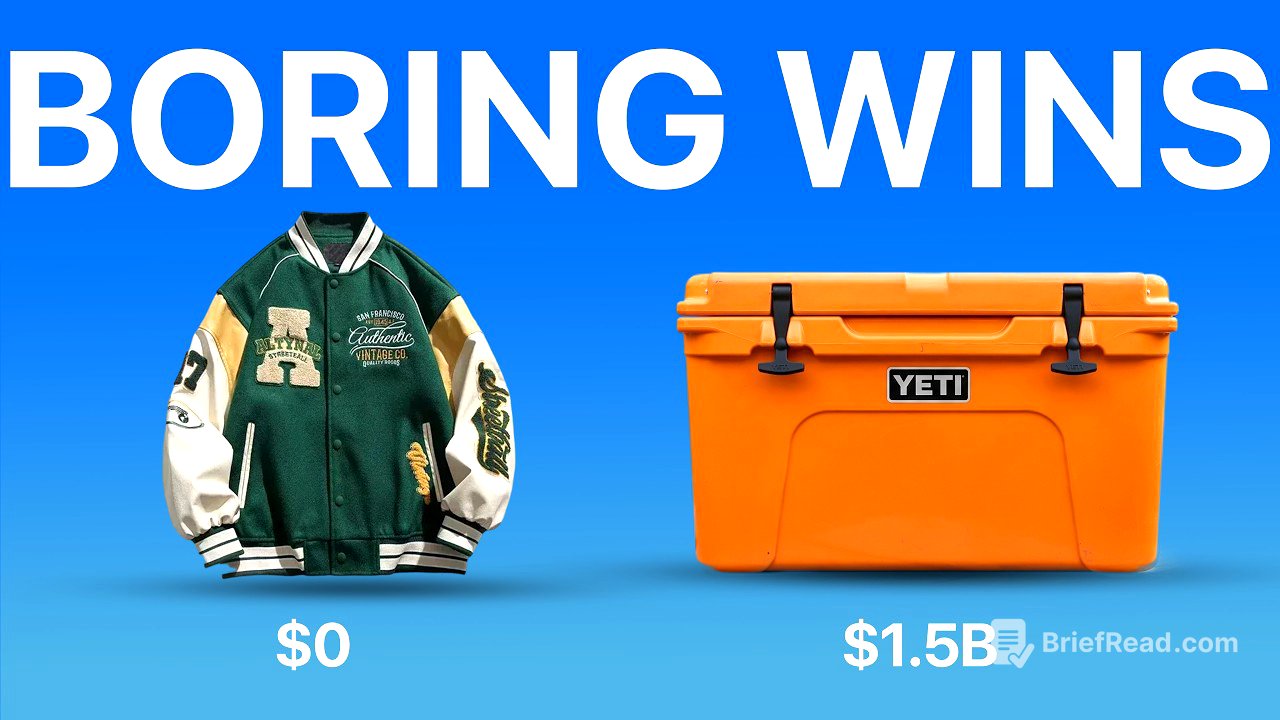
The video introduces the idea that significant financial success isn't limited to innovative inventions or luxury goods; it can also be found in everyday, seemingly uninteresting product categories. Brands like Method (dish soap), Stanley (thermoses), and Yeti (coolers) have demonstrated this by transforming mundane items into desirable, culturally relevant products. The key is mastering the art of making ordinary products feel irreplaceable, which can be achieved by identifying and capitalizing on unmet needs and desires within a category.
Principle 1: Exclusivity - Creating a Meaningful Narrative [1:32]
Exclusivity, in this context, is not about creating artificial scarcity through tactics like countdown timers or limited drops. Instead, it's about crafting a narrative that elevates the product beyond its basic functionality, making ownership feel significant. Loop earplugs are presented as a prime example. By reimagining earplugs as jewelry-like accessories, Loop transformed a commodity item into something desirable and expressive, appealing to individuals who value thoughtful design and self-expression. The focus should be on making the product feel specifically designed for a particular person, making them feel seen and understood when they discover it.
Principle 2: Identity - Reflecting the Customer's Self-Image [2:49]
The second principle, identity, is what turns initial attention into lasting loyalty. Once a product feels exclusive and tailored to a specific individual, the next crucial question is: What does owning this product say about who I am? Premium brands sell not just a product, but a reflection of the customer's self-perception or aspirational identity. Caraway cookware, for instance, sells the identity of a health-conscious, design-forward home cook. The product becomes a mirror, reflecting the qualities the customer wants to see in themselves or project to others. Eric Ryan's concept of balancing the "altruism and narcissism" of a product is highlighted, where the product's aesthetic appeal and perceived value are coupled with its health benefits or ethical considerations.
Principle 3: Worldbuilding - Creating a Universe Around the Product [4:08]
Worldbuilding is what elevates a brand from being merely memorable to becoming iconic. It involves creating a universe around the product that customers genuinely want to inhabit and invite others to join. Starface, a brand that sells pimple patches, exemplifies this principle. Instead of reinforcing the shame associated with acne, Starface transformed pimple patches into bright yellow stars and cultivated a colorful, playful, and unapologetically human brand identity on Instagram. This approach made Starface a cultural phenomenon, with people openly embracing and even fashionably displaying their pimple patches.
Applying the Principles: Finding the Gap and Building the Story [5:26]
To apply these principles, start by identifying the unmet needs or untold stories within a product category. Determine which customer segment is being overlooked or which identity is not being addressed. Then, stack the principles in order: begin with exclusivity, followed by identity, and finally, worldbuilding. Each principle builds upon the previous one, creating a cohesive and compelling brand experience.
Thinking Beyond the Product: The Power of Storytelling [6:09]
Winning brands in commoditized categories don't rely solely on product specifications; they focus on the lifestyle and narrative surrounding the product. Packaging, community engagement, content creation, and brand messaging all contribute to reinforcing the brand's world. Dropout companies, for example, have succeeded in the frozen food aisle by offering seed oil-free, high-protein alternatives with strong branding, appealing to health-conscious consumers.
Conclusion: Identifying Opportunities in Overlooked Categories [6:47]
The video concludes by encouraging viewers to seek opportunities in overlooked categories where consumers may not even remember the brand they typically purchase. These are the areas where brands can make a significant impact by telling a better story, building a compelling world, and making customers feel something about an otherwise mundane purchase. The dish soap aisle, the frozen food section, and the earplug shelf at CVS are highlighted as examples of categories ripe for disruption.