TLDR;
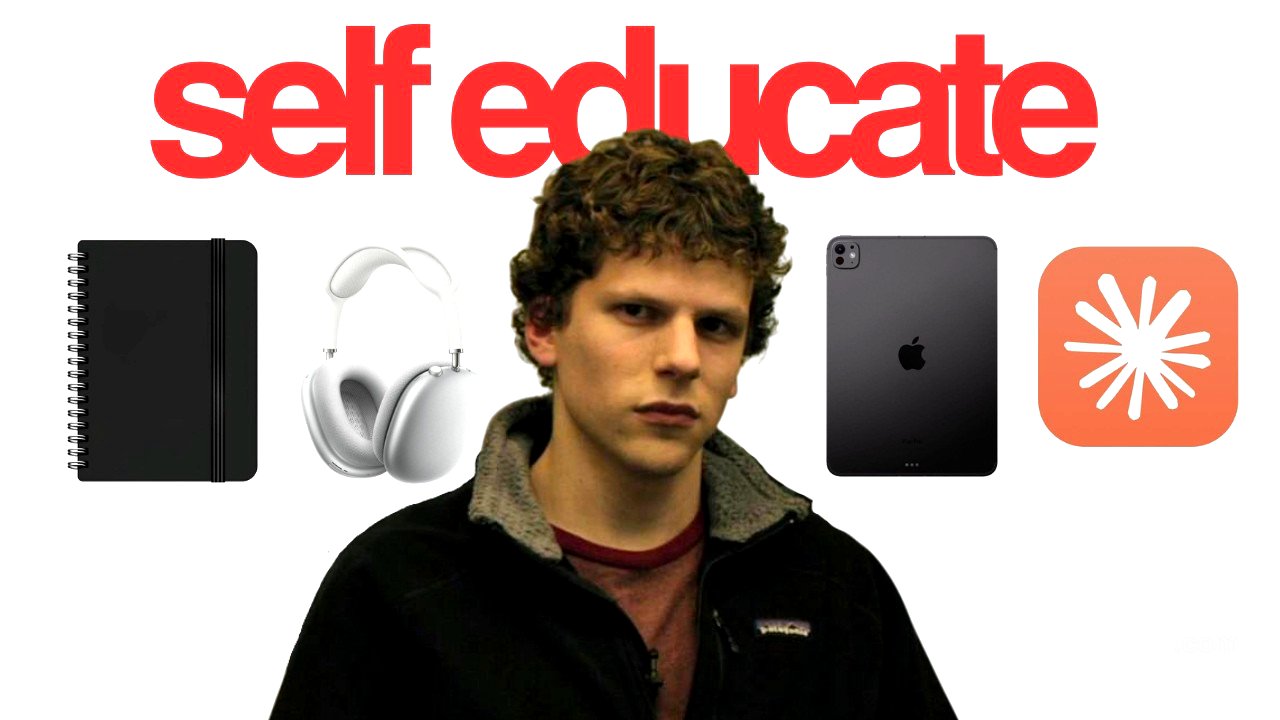
The video emphasizes the importance of self-education in a world saturated with information. It outlines a framework for approaching learning effectively, highlighting the necessity of practical engagement, consistent creation, sourcing original materials, and allowing time for understanding to develop.
- Self-education is hampered by a lack of understanding rather than access to information.
- Practical experience yields specific questions that guide learning needs.
- Creation helps discover gaps in understanding.
- Engaging with original content leads to deeper comprehension.
- Understanding requires time and often feels unproductive before breakthroughs occur.
Learning Through Experience [0:00]
Self-education isn't just about gathering information; it's about transforming that information into understanding. The common school approach advocates learning before practice, but the video argues in favor of trying first, encountering challenges, and seeking specific knowledge to address those difficulties. For example, a beginner in video editing learns more effectively by actually editing a project and facing real obstacles, which leads to targeted questions and relevant learning.
Importance of Creation [0:57]
Self-educated individuals often produce evidence of their knowledge through creative efforts. Historical figures like Charles Darwin and Richard Feynman exemplified this approach by documenting their observations and explanations. Today, people in various fields share their learning journeys through public creations, whether notebooks for scientists or portfolios for designers. This process reveals gaps in understanding and highlights that creating is a tool for discovery, not merely a showcase of existing knowledge.
Seeking Original Sources [1:35]
Many learners rely on distilled information that is several steps removed from the original sources. The video critiques this tendency, suggesting that serious self-educators must seek original studies or first-hand accounts rather than summaries. This approach may require more time but is necessary for developing independent judgment and understanding, rather than merely accepting the conclusions of others.
The Process of Understanding [2:23]
Understanding often develops in periods of apparent inactivity, where repeated engagement with material leads to eventual insights. Many learners give up when faced with difficulty, opting for easier alternatives. However, genuine understanding may require sustained focus and sometimes boredom, similar to how mathematicians or chess players work through complex concepts. Breakthroughs frequently come after extended contemplation, underscoring the necessity of uninterrupted thinking time in the learning process.