TLDR;
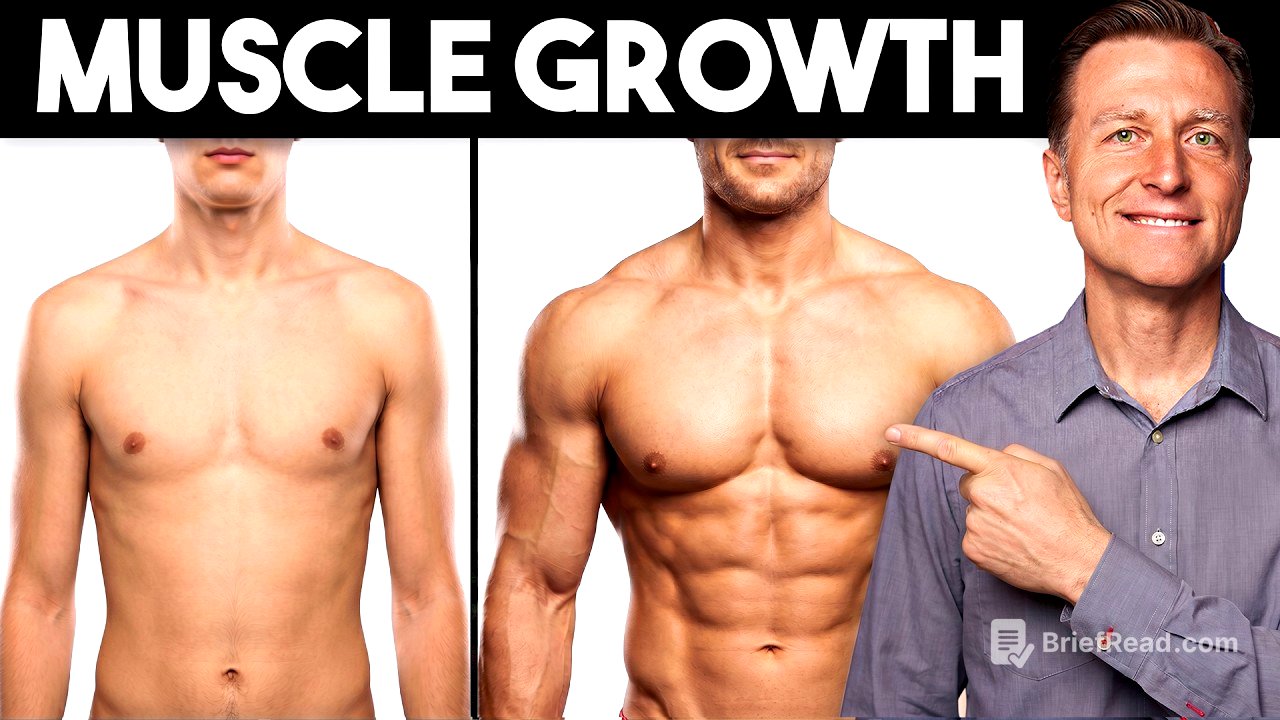
This video discusses common mistakes people make when trying to build muscle, particularly for those not using steroids. It emphasizes the importance of training intensity, proper recovery, and diet. The key takeaways include:
- Training hard enough to reach "proximity to failure" is crucial for muscle growth.
- Recovery of connective tissues, the nervous system, and hormones is vital and often overlooked.
- Carb loading can lead to insulin resistance and fat gain.
- Individualized training and managing stress and inflammation are essential for optimal results.
- Prioritizing the quality of protein over timing is more important.
Introduction: Muscle-building mistakes [0:00]
The video introduces the topic of common mistakes people make when trying to build muscle. It's aimed at individuals who are putting in effort but not seeing desired results. The speaker clarifies that his personal goal is to maintain muscle mass and focus on cardiovascular fitness and joint health due to previous joint issues. The information shared is based on insights from top natural bodybuilders who do not use steroids.
The biggest muscle-building mistake [0:53]
The primary mistake is not training hard enough. Research indicates that most people underestimate the intensity required to stimulate muscle growth. To make a muscle grow, there's a certain threshold of intensity that you must reach to be able to get that muscle to adapt and get bigger. The key is "proximity to failure," meaning pushing sets to the point where completing another rep is almost impossible. Instead of stopping when it gets uncomfortable, sets should continue until near failure, with brief 10-15 second pauses to squeeze out additional reps. It's recommended to start with no more than two such sets per muscle group to avoid overspiking cortisol levels.
Hypertrophy training tips [2:18]
Instead of predetermining the number of reps, focus on going to almost failure, where completing another rep is barely possible. After reaching this point, rest for only 10 to 15 seconds to recharge partially (about 10-15%). Then, resume lifting to complete a few more reps until reaching complete failure. These short pauses help increase the intensity and adaptation of the muscle. It's important to differentiate between discomfort and the point where you physically cannot perform another rep.
Muscle recovery and strength training tips [5:23]
While muscles typically recover in 48-72 hours, connective tissues (tendons, fascia) recover much slower (0.5-2% per day), and the nervous system requires 5-10 days. Hormonal recovery takes 3-5 days. The problem is that people focus on growing their muscles and they're not really looking at the recovery aspects of the other parts of your body. It's crucial to consider the recovery rates of all tissues to prevent injuries like tendon tears.
Prioritize rest to build muscle faster [6:36]
Avoid overtraining by limiting workouts to 30-45 minutes and working each muscle group only one to two times per week. This approach helps lower cortisol levels, promoting recovery for connective tissues, the nervous system, and hormones. The benefits of exercise occur during the recovery phase, primarily during sleep. It's important to balance the stimulus for muscle growth with adequate rest to prevent overtraining. Incorporate activities like long walks in nature and prioritize sleep to keep cortisol levels low. Every 4-6 weeks, take a deload week with very light weights to reduce accumulated stress.
Muscle growth mistakes with your diet [8:17]
Avoid carb loading, as it can lead to insulin resistance, increased midsection fat, fatty liver, and a rounder face. Instead, limit carbohydrate intake to around 50 grams per day, focusing on sources like berries rather than grains to minimize inflammation. Avoid snacking after dinner to create a fasting period, which stimulates growth hormone production. Natural bodybuilder Ron Williams combined fat, protein, and carbs to blunt blood sugar spikes, avoiding refined sugars and isolated carbs.
More muscle-building mistakes [9:50]
These mistakes are highlighted by Ron Williams, a highly successful natural bodybuilder. The first mistake is "training blind," or following generic programs without understanding your body's specific needs. Ron Williams emphasized the importance of studying one's own body and tailoring exercises to address individual weaknesses. The second mistake is creating a "hostile recovery environment" due to stress and inflammation, which can negate muscle gains. Chronic stress elevates cortisol, hindering recovery.
Muscle growth tips for diet [11:56]
The final mistake is obsessing over protein timing rather than protein quality. A 2020 meta-analysis found no significant difference in muscle growth between consuming protein immediately after training versus hours later. Ron Williams recommended eating nutrient-dense foods, highlighting the importance of magnesium (essential for muscle building), zinc (for testosterone production), and potassium (for nervous system activation). It's not recommended to consume protein right before a workout.