TLDR;
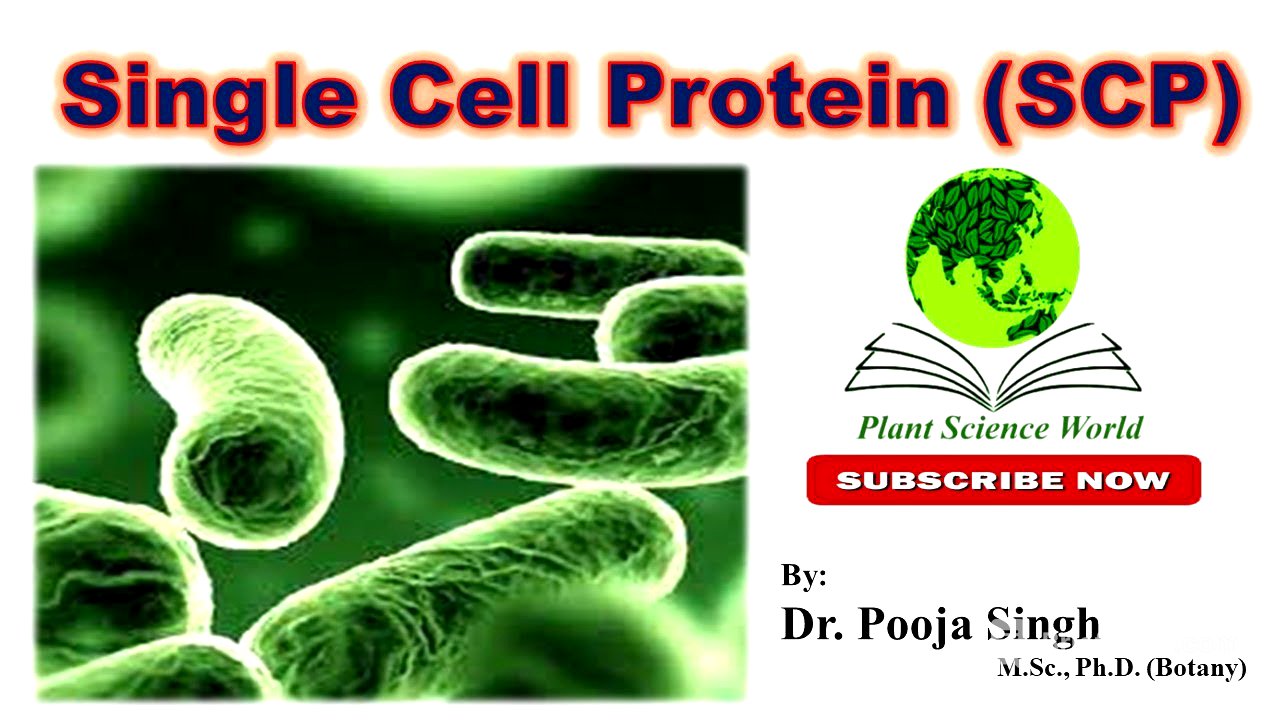
This video provides an overview of single-cell proteins (SCP) as an alternative protein source, addressing the increasing need for protein supplements due to lifestyle diseases and dietary deficiencies. It covers the composition, advantages, and disadvantages of using algae, fungi, yeast, and bacteria as SCP sources. The video also touches on the production process, required properties, and potential health implications of SCP consumption, emphasizing the importance of balanced nutrition and awareness of individual dietary needs.
- Single-cell proteins (SCP) are explored as a solution to protein deficiencies.
- Various microorganisms like algae, fungi, yeast, and bacteria are discussed as sources of SCP.
- Advantages and disadvantages of each source are compared, including nutritional content and digestibility.
- Production processes, health implications, and market availability of SCP are examined.
Introduction to Single Cell Protein [0:32]
The video introduces the concept of single-cell protein (SCP) and its relevance in addressing protein deficiencies, which are increasingly prevalent due to modern lifestyles and dietary habits. It highlights the importance of protein for overall health and discusses why supplementation is becoming necessary. The discussion begins by explaining the basics of proteins, including their composition from amino acids, and then transitions into the growing need for alternative protein sources due to health concerns like obesity and lifestyle diseases.
The Need for Alternative Protein Sources [1:33]
The discussion emphasizes the increasing awareness of health and nutrition, particularly in response to rising obesity rates and lifestyle diseases in India. Traditional diets, even those considered balanced, often fall short in providing adequate protein. This deficiency has led to the emergence of protein supplements in the market. The need for these supplements increases with age, especially after the 30s and 40s, as the body's protein requirements change.
Understanding Single Cell Protein (SCP) [5:18]
Single-cell proteins (SCP) are derived from microbial sources and were initially termed "microbial proteins." These are essentially the dried cells of microorganisms. The term "single-cell protein" was coined in the 1960s. SCP production involves using microorganisms as protein sources and substrates, known as biomass, on which these organisms grow. Various microorganisms, including algae, fungi, and yeast, can be used as SCP sources.
Composition of Single Cell Proteins [7:15]
SCP is a source of protein, fat, and nucleic acids. Algae typically contain 40-60% protein, 8-20% fat, and 4-7% nucleic acids. Fungi contain 30-40% protein, 9-14% fat, and 7-10% nucleic acids. Yeast contains 45-55% protein, 5-10% fat, and 6-12% nucleic acids. Bacteria contain 50-65% protein, 3-7% fat, and 8-12% nucleic acids. Algae and bacteria are also capable of photosynthesis.
Advantages and Disadvantages of Different SCP Sources [8:49]
Algae are easy to grow and harvest and provide high-quality protein, but they have a non-digestible cellulosic cell wall. Fungi have good protein content and are relatively easy to process. Yeast has larger cell size, lower nucleic acid content, and familiarity, but digestibility and protein content are lower, and growth rate is slow. Bacteria have high protein content and rapid growth rates but can have indigestible cell walls, high nucleic acid content, and potential toxicity.
Considerations for SCP Consumption [9:34]
The video addresses concerns about the digestibility and suitability of SCP, emphasizing that individual reactions can vary. It draws a parallel with conventional foods, noting that even those can cause adverse reactions. The importance of mindset and adapting to new dietary additions is highlighted. The speaker also notes that even normal vegetables contains insecticides and pesticides.
Commonly Used Microorganisms for SCP Production [11:53]
Various microorganisms are used for SCP production, including fungi like Saccharomyces cerevisiae, Candida tropicalis, Candida utilis, and Candida lipolitica. Commonly used algae include Spirulina and Chlorella species. Bacteria such as Pseudomonas fluorescens, Lactobacillus, Bacillus megaterium, and Methylophilus methylotrophus are also utilized. Spirulina is notably used by space travelers for oxygen provision.
Steps Involved in SCP Production [14:03]
The production of SCP involves several steps, starting with the selection of suitable strains. This is followed by fermentation of the microorganism, harvesting under proper conditions, and post-harvesting treatment to remove any toxicity. The process aims to yield the desired biomass efficiently and safely.
Properties of SCP Production [14:46]
SCP production should ensure the absence of pathogenicity and toxicity. Protein quality is crucial, with bacteria and algae generally providing better protein. Other important properties include growth rate and adaptability to unusual environmental conditions.
Importance of Protein and SCP in Diet [15:42]
Protein is an essential part of the diet, and deficiencies are common. The recommended protein intake is approximately one gram per kilogram of body weight. SCP and supplements can help bridge this gap, supporting weight management, reducing stress, and improving overall health, including hair, skin, and nail quality.
Market Availability and Accessibility of SCP [17:44]
Currently, protein supplements, including SCP-based products, are relatively expensive and not easily accessible to the general population. However, incorporating protein-rich foods into the daily diet can help meet protein requirements. SCP can also benefit the animal and poultry industries by improving the nutritional content of feed.
Advantages of SCP Production [18:36]
SCP production offers several advantages, including high protein content, rapid generation turnover, low land requirements, and the ability to utilize waste materials. Additionally, cellular, molecular, and genetic alterations can be made to enhance protein yield and quality.
Disadvantages of SCP Production [19:53]
Disadvantages of SCP include high nucleic acid content, which can lead to elevated uric acid levels and potential health issues like kidney stones and gout. Digestibility can also be a concern, and some individuals may experience hypersensitivity reactions.
Conclusion [21:41]
The video concludes by summarizing the key points discussed, including the sources of SCP, methods of cultivation, advantages, and the need for SCP. It encourages viewers to like, watch, subscribe, and share the content.