TLDR;
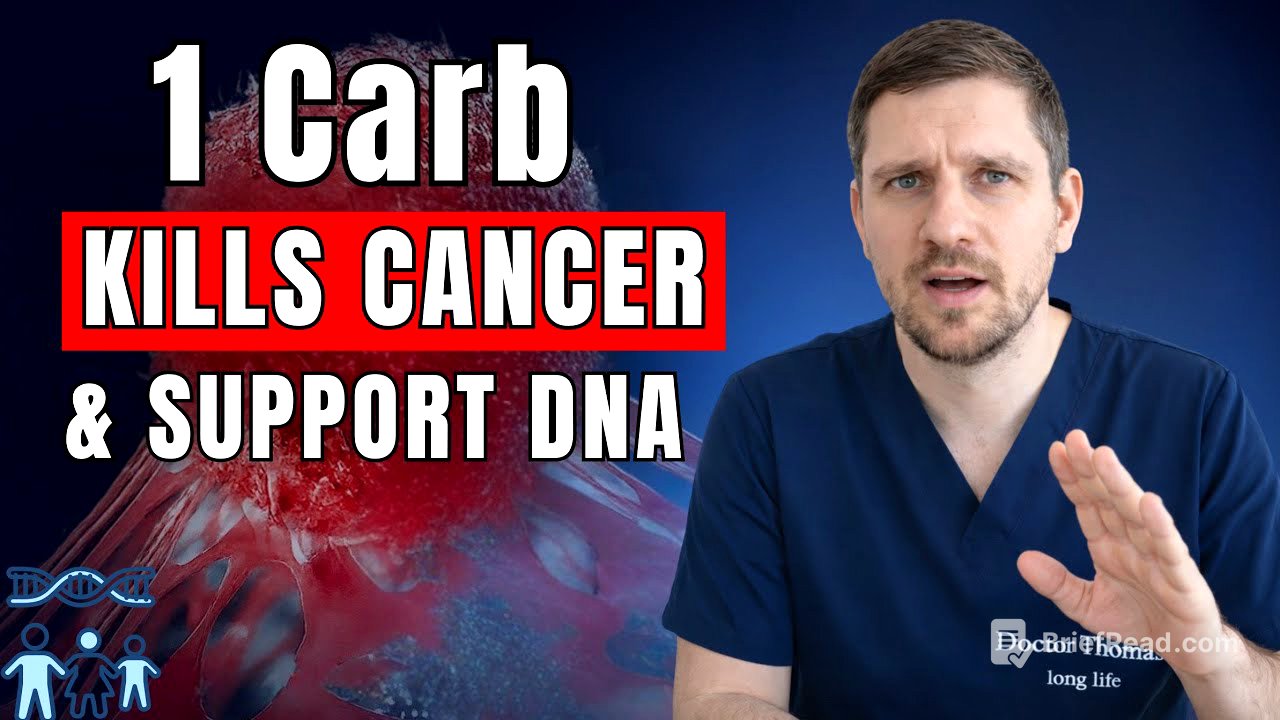
Dr. Thomas Morgan discusses the connection between diet and cancer prevention. He explains that cancer cells are constantly forming in the human body, but that our immune system typically neutralizes them. He emphasizes the importance of DNA repair, the role of diet in inflammation, and how certain foods can enhance our body's defenses against cancer. Key points include the effects of sugar on cancer cell growth, the impact of chronic inflammation, and the beneficial compounds found in specific foods.
- Cancer cells are present in everyone but are usually managed by the body’s immune system.
- Diet affects DNA repair and chronic inflammation, both critical factors in cancer development.
Understanding Cancer Formation [0:00]
Dr. Morgan explains that cancer is not an instantaneous event but a gradual process resulting from DNA damage. Common environmental factors, such as pollution and unhealthy metabolic processes, contribute to free radical production, which damages DNA. Every day, cells endure 10,000 to 100,000 DNA damaging events, and while our body has repair mechanisms, these can become overwhelmed.
The Importance of DNA Repair [2:20]
The body has enzymes that repair DNA damage, but if the damage exceeds repair capability, errors accumulate, potentially leading cells to become cancerous. It's crucial to eat foods that not only address this damage but that can also enhance enzyme activity responsible for DNA repair. Sulforaphane, found in broccoli sprouts, has been highlighted for its remarkable ability to activate protection mechanisms in cells.
Sugar's Role in Cancer Growth [5:02]
Morgan discusses how cancer cells rely heavily on sugar for energy, significantly consuming glucose at a higher rate than healthy cells. This dependency makes dietary choices important; consuming refined sugars and high glycemic foods can inadvertently feed cancer cells. Insulin responses to sugar intake promote cell growth, including cancer cells, indicating that controlling blood sugar can influence cancer risk.
Chronic Inflammation and Its Impact [7:09]
Distinguishing between acute inflammation and chronic inflammation is essential. Acute inflammation is beneficial and aids in healing, while chronic inflammation weakens the immune system and encourages cancer growth. Factors causing chronic inflammation include dietary choices, particularly excessive omega-6 fatty acids found in processed foods. These inflammatory responses create favorable conditions for cancer development.
Dietary Solutions to Combat Cancer [9:30]
The same foods that can reduce inflammation also help to starve cancer cells and repair DNA. Incorporating omega-3 fatty acids, turmeric, berries, green tea, garlic, and a high-fiber diet is vital. Omega-3s, found in fatty fish and seeds, lower the ratio of omega-6s, important in reducing inflammatory risks. Curcumin in turmeric, combined with black pepper, enhances its effectiveness against cancer, while berries provide antioxidants and are low in sugar.
Making Proactive Dietary Choices [14:33]
Morgan stresses that while food alone does not cure cancer, a proactive diet can shift the metabolic environment in the body. This dietary focus influences inflammation levels, nutrient availability for DNA repair, and overall cancer cell health. He encourages making consistent, healthy choices regarding food, such as increasing fiber intake, using olive oil, and limiting processed sugars, to cultivate a less hospitable environment for cancer cells.
Conclusion and Next Steps [17:20]
The video concludes with encouragement to adopt dietary changes that can significantly impact health and potentially reduce cancer risks. Dr. Morgan refers to the cumulative effect of these changes as transformative for individual health. He also hints at the upcoming video that will share insights from top cancer researchers' morning routines that contribute to their health.