TLDR;
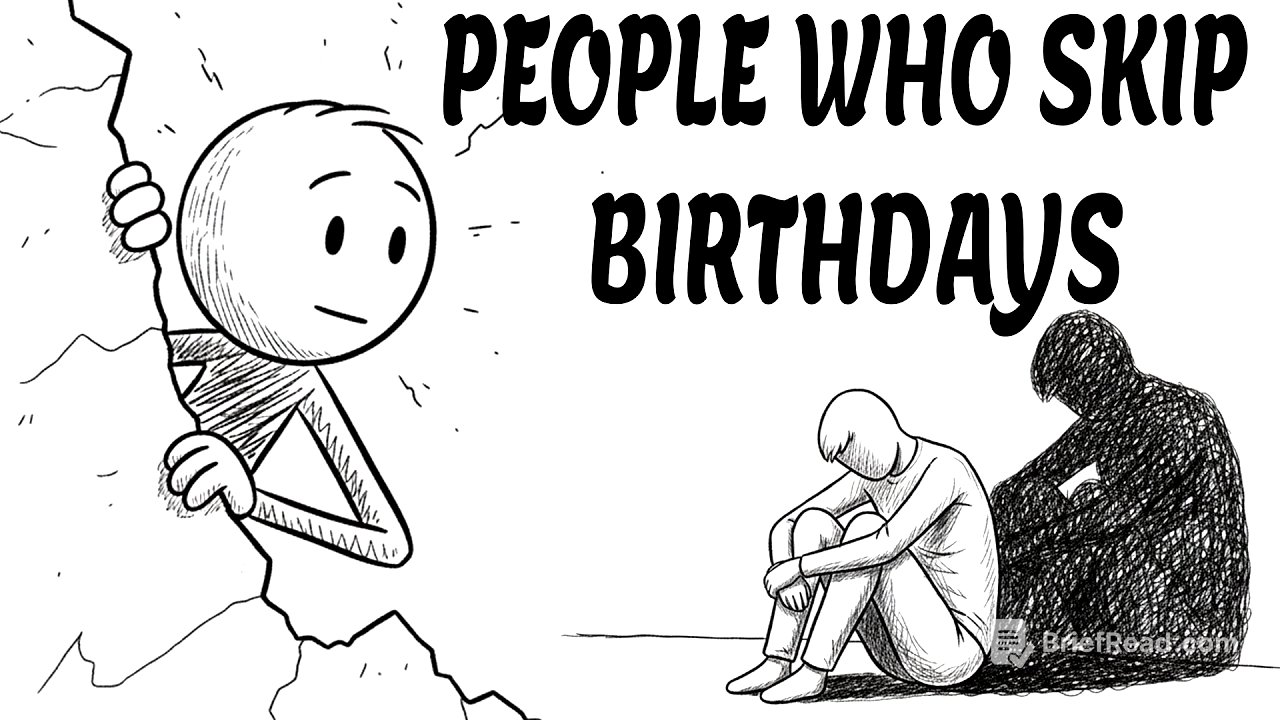
The video explores the various reasons why people react differently to their birthdays, ranging from elaborate celebrations to complete indifference. It identifies three main groups: those who have experienced repeated disappointment and associate birthdays with pain, those who are too caught up in the busyness of life to give it much thought, and those who possess emotional independence and find validation within themselves rather than through external celebrations. The video suggests that one's attitude toward birthdays can reflect a broader mindset about seeking validation and finding contentment in everyday life.
- Some people don't celebrate birthdays due to past disappointments.
- Others are too busy to focus on birthdays.
- Some find internal validation, making external celebrations unnecessary.
Intro [0:00]
The video starts by posing the question of why people have such different reactions to their birthdays, with some going all out and others treating it like any other day. It suggests that the reasons behind these varying attitudes might be rooted in sadness, maturity, or deeper psychological factors, and promises to explore these reasons to potentially explain the viewer's own attitude toward birthdays.
Learned Helplessness [0:31]
Some people don't celebrate their birthdays because they associate them with pain and disappointment. This often stems from past experiences where their birthdays were forgotten or ignored by friends and family. Psychologists refer to this as learned helplessness, where repeated disappointment leads individuals to stop expecting positive experiences on their birthdays, causing them to treat it as just another day to avoid further hurt.
Time Blindness [1:03]
Another group of people don't focus on their birthdays because they are too caught up in the fast pace of modern life. Work deadlines, studies, and family responsibilities can cause individuals to lose track of time, making special days like birthdays feel less significant. This phenomenon, referred to as time blindness, occurs when the brain is overloaded with tasks, causing special occasions to be overlooked rather than intentionally ignored.
Emotional Independence [1:30]
A third group of people consciously choose not to celebrate their birthdays because they possess emotional independence. These individuals don't need external validation, such as parties or gifts, to feel loved or valued. Studies in psychology link this mindset to self-determination theory, which suggests that true well-being comes from autonomy, competence, and inner satisfaction. Maturity, in this context, means recognizing one's own worth without needing external affirmation.
Mindset [2:14]
The attitude of treating birthdays like any other day often extends to other areas of life. People with this mindset don't crave the spotlight or constant recognition, and they are generally content. While they may still experience loneliness, they have trained themselves to find value in every day rather than waiting for one specific day to feel alive. Ultimately, whether someone celebrates their birthday extravagantly or ignores it completely, their behavior reveals something about their pain, priorities, maturity, and inner peace.