TLDR;
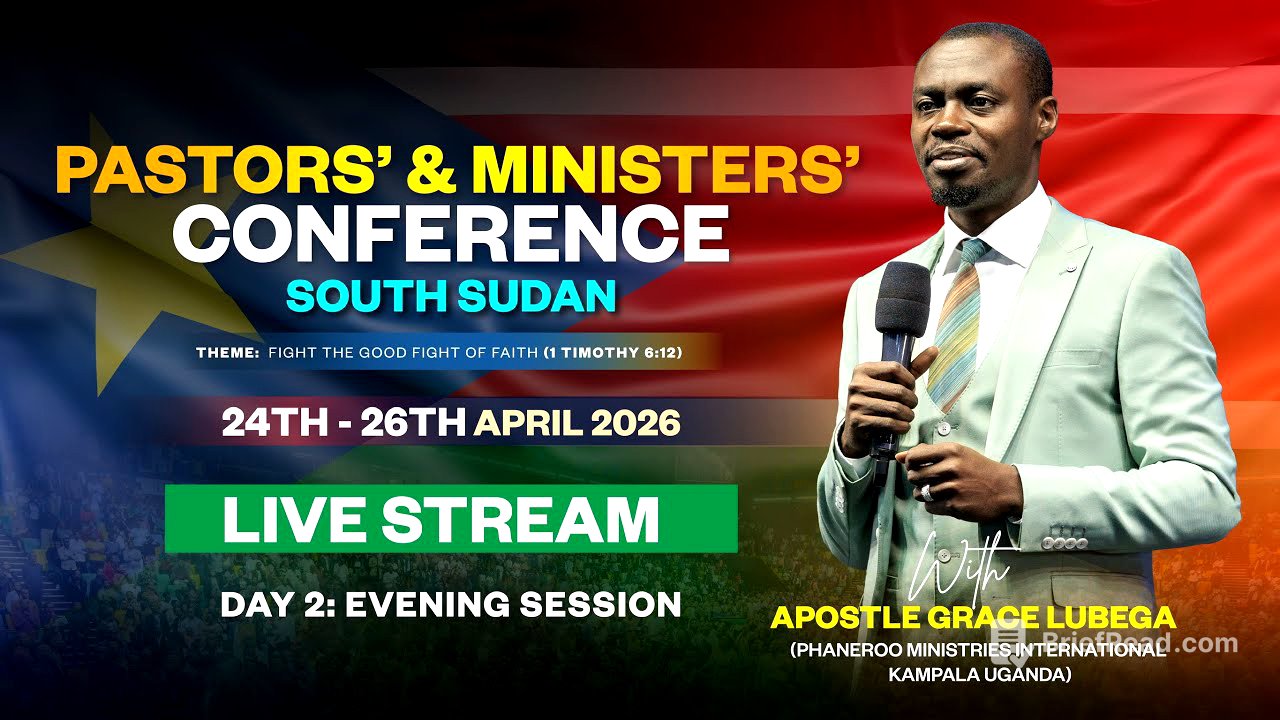
This YouTube video by Manifest Television features a sermon that discusses the concept of the "dying womb" in the context of ministries and churches, emphasizing the dangers of idolatry and the importance of spiritual wisdom. It explores how clinging to idols, traditions, or personal experiences can hinder the birthing and sustaining of God's moves. The sermon also highlights the necessity of reconciling power with wisdom to avoid spiritual miscarriages and to ensure the lasting impact of one's ministry.
- Idolatry leads to dying wombs, hindering ministry growth.
- Spiritual miscarriages occur due to a lack of wisdom.
- True men of God have a secret with God, a defined course, and cannot set themselves against truth.
Introduction to the Womb Conversation [0:06]
The speaker begins by acknowledging the attendees and expressing gratitude to Bishop M and Bishop Gusto, as well as all the ministers and leaders present. He transitions into the topic of the afternoon, which builds upon previous discussions about the seed and the womb. He reminds the audience that in the morning session, he discussed different kinds of wombs, including barren, fruitful, divided, and dying wombs, emphasizing the importance of the womb's condition for the birth of a ministry or revival.
The Dying Womb: Emotional Attachment to Idols [5:45]
The speaker defines a dying womb as a ministry emotionally attached to its idols, highlighting idolatry as a serious issue within the church. He explains that this attachment can lead to the early demise of ministries or their leaders. Drawing a parallel from the Gospel of Matthew, he references Herod's order to kill all male children in Bethlehem, connecting it to the premature death associated with the womb of Rachel, who represents premature death in scripture.
Rachel's Idolatry and Its Consequences [12:20]
The speaker references the story of Rachel stealing her father Laban's household idols (teraphim) and hiding them. He explains that teraphim were skulls of sacrificed children, used for blessings. He questions why Rachel, despite being chosen by God and married to Jacob, would cling to these idols. This illustrates how even those close to God can be involved in idolatry, mixing their faith with other practices.
Idolatry in Modern Christianity [25:17]
The speaker emphasizes that idolatry is still prevalent in the church today, not always manifesting as physical idols but as anything that takes the place of God in one's life. He shares an anecdote about a young man willing to submit to another power at the expense of his salvation, illustrating the allure of seeking additional sources of power beyond the Holy Spirit. He urges Christians to make a firm decision to follow only one God, forsaking family traditions and rituals that compromise their faith.
Consequences of Compromise and the Lingering Spirit [32:18]
The speaker warns against compromising with satanic rituals and traditions, stating that such compromises can kill what is upon one's life, leading to early spiritual or physical death. He explains that a church or ministry in this state might conceive a move of God but will not sustain it due to holding onto household idols and traditions. He also notes that spiritual atmospheres can linger even after God has departed, leading people to mistakenly believe God is still present.
The Importance of Pointing to God, Not Self [35:21]
The speaker discusses how some individuals, due to their pain and investment in the gospel, tend to focus on their own experiences rather than pointing to God. He uses the example of Rachel naming her son Ben-Oni (son of my sorrow) instead of Benjamin (son of the right hand), emphasizing the importance of labeling things according to God's purpose, not personal experiences. He stresses that ministries should be built to outlive their leaders, with systems in place to continue the work of God.
Jesus as the Standard, Not Personal Experience [41:20]
The speaker emphasizes the importance of building ministries that point to God, not to personal experiences. He notes that Jesus rarely explained his own experiences, instead focusing on teaching about the kingdom. He highlights that the secret place with God is a place of intimacy, not method, and that God is not limited to one's personal version or experience. He concludes that Jesus is the standard, not personal experience, and that true followers of Christ will be recognized by their connection to Him.
The Agreement of Altars in Marriage [49:57]
The speaker warns against assuming that one's anointing automatically influences their spouse. He emphasizes that marriage joins bodies but not necessarily spirits, and that true spiritual union requires an agreement of altars. He advises young men to test the altar of a potential spouse before considering marriage, ensuring there is a spiritual frequency and alignment.
Defining Idols and Seeking Approval [51:48]
The speaker defines idols as anything that substitutes for God, absorbs one's heart and imagination more than God, or is sought to give what only God can give. He warns against superstitions and the hidden idolatry of seeking approval and recognition from others, emphasizing that pleasing men can lead to building idols of men.
The Womb of Bereavement: Spiritual Miscarriages [54:32]
The speaker introduces the concept of the "womb of bereavement," which refers to spiritual miscarriages where things conceived in the spirit die before they are manifested. He describes how churches or ministries may experience special visitations or moves of God that start strong but die prematurely. He shares a personal experience of seeing a glory depart from a meeting, emphasizing the possibility of missing one's time of visitation.
Atmosphere vs. Glory and Missing the Time of Visit [57:52]
The speaker distinguishes between atmosphere and glory, explaining that atmospheres appeal to feelings while glory appeals to conviction. He emphasizes that preserving an atmosphere where glory can stay longer is essential for birthing revivals. He recounts an experience where a glory departed because the people did not recognize or preserve it, leading to a missed opportunity for revival.
Spiritual Miscarriages and the Lack of Wisdom [1:08:12]
The speaker defines spiritual miscarriages as visitations that lack habitation, emphasizing that they are often caused by a lack of wisdom. He cites Hosea 9:11-12, which speaks of Ephraim's glory departing, leading to no birth, pregnancy, or conception. He explains that without wisdom, one cannot sustain or feed the spiritual children that are born, leading to malnourishment and death.
The Importance of Divine Wisdom for Sustaining Revival [1:15:54]
The speaker emphasizes that revivals cannot be birthed or sustained without divine wisdom. He references Solomon's prayer for an understanding heart, highlighting that God can give what one has not asked for because they have asked for what they must ask for. He warns against seeking revival without the wisdom to manage it, as anointing without wisdom can destroy the holder.
The Meekness of Wisdom and Reconciling Word and Spirit [1:21:36]
The speaker emphasizes the importance of humility and meekness as characteristics of wisdom. He states that God wants to build a church that reconciles power and wisdom, and that the next move of the spirit will involve reconciling the word and the spirit. He encourages young people to invest their lives in reading the word, emphasizing that the word of God should richly dwell in them in all wisdom.
Three Things That Make a Man of God [1:31:57]
The speaker concludes by outlining three things that define a man of God: having a secret with God, having a defined course, and not setting themselves against truth. He elaborates on the first point, using the example of Job, who churned the milk of the word to produce butter, which he used to wash his steps. This illustrates the importance of meditating on and digesting the word to gain revelational insight.
Job's Secret and the Power of Revelation [1:33:53]
The speaker explains Job's secret, emphasizing how Job meditated on the word of God, churning it like milk to produce butter, which symbolized revelation. He connects this to the anointing, explaining that the more one churns the milk of the word, the more the spirit pours out an anointing. He concludes by emphasizing the importance of knowing the word until it knows you, and that God's revelation is falling now more than ever before.
Prayer for More of God [1:45:15]
The speaker leads the congregation in a heartfelt prayer, expressing a deep longing for more of God's presence, fire, and love. The prayer emphasizes surrendering to God's will and seeking a deeper intimacy with Him.