TLDR;
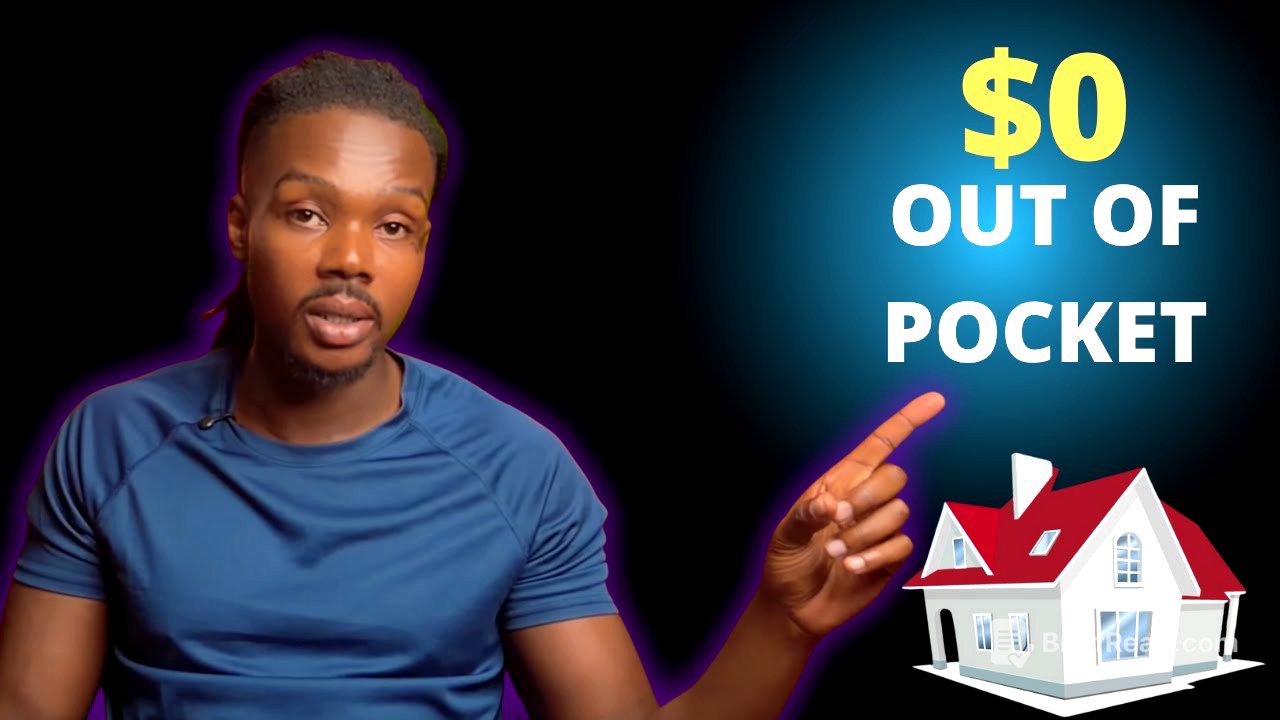
This video explains how to purchase rental properties with little to no money. Key points include the use of other people's money (OPM) for financing, the importance of understanding cash flow, and available methods to secure investments without personal capital.
- Real estate investing revolves around leveraging other people's money.
- Three main avenues to acquire properties without upfront cash include hard money loans, private lending, and seller financing.
- The BURR method allows investors to build their portfolio by recycling funds through refinancing.
Understanding Leverage in Real Estate Investing [0:00]
The video starts by emphasizing the idea that owning property does not require wealth, but rather strategic thinking and understanding how to leverage other people's money (OPM). It outlines that rental properties function like small businesses, where incoming rent is the income, and expenses like mortgage and taxes are deducted to reveal cash flow. The key takeaway is that real estate allows for wealth growth without the necessity of selling or timing the market.
Three Major Paths to No-Money Real Estate [2:15]
There are three primary methods to finance real estate investments: hard money loans, private lending, and seller financing. Hard money loans are short-term, based on property value rather than personal credit. Private lending involves borrowing from individuals, often offering higher returns than banks. Seller financing allows buyers to pay the property seller directly, which can be appealing to sellers wanting continued income. Each method presents unique advantages and requires negotiation skills.
Exploring the BURR Method [5:22]
The BURR method is an investment strategy that stands for Buy, Rehab, Rent, Refinance, and Repeat. It involves purchasing a property with funding from one of the previous financing options, renovating it, renting it out for cash flow, and then refinancing to pay off the initial loans. This method allows investors to quickly scale their portfolios by reusing equity without needing to save between purchases.
Finding the Right Property [6:18]
The video stresses that not all cheap properties are good investments. Look for properties in stable neighborhoods with job growth, schools, and low crime rates. Tools like Zillow and Craigslist can help locate potential investments. The 1% rule suggests aiming for monthly rent to equal 1% of the property's purchase price to ensure viability.
Presenting to Lenders [7:07]
Communicating with lenders requires a professional approach. Lenders are interested in the property's potential for income rather than just the borrower's financial status. Essential data to present includes the purchase price, repair costs, after repair value, expected rental income, and exit strategy. Emphasis is placed on proving one's diligence and understanding of the investment.
Common Mistakes to Avoid [8:59]
Several pitfalls can obstruct new investors: buying properties with negative cash flow, overleveraging, skipping inspections, becoming emotionally invested in properties, and not maintaining reserves for emergencies. Recognizing and avoiding these mistakes can save significant costs and troubles down the line.
Scaling Up Your Investments [9:45]
To expand your real estate business, consider refinancing to access equity from existing properties to fund new acquisitions. Partnering with others can also expedite growth, allowing you to bring in capital while managing the project. Clear agreements and roles are crucial for joint ventures.
Actionable Steps to Start Investing [10:45]
The video concludes with a step-by-step action plan: Research the local market, build a team of professionals, get pre-qualified for financing, analyze potential deals meticulously, and close your first property. After acquiring property, manage it diligently and consider refinancing to fund subsequent investments. Emphasis is placed on continual learning and consistent effort as keys to success in real estate.


![혼자 있을 때 가장 행복한 한국인들...? 대한민국은 어쩌다 관용이 제일 없는 나라 됐을까? ㅣ경쟁 교육 2부 [이게웬날리지]](https://wm-img.halpindev.com/p-briefread_c-10_b-10/urlb/aHR0cDovL2ltZy55b3V0dWJlLmNvbS92aS85REdteU9oRHNFay9ocWRlZmF1bHQuanBn.jpg)