TLDR;
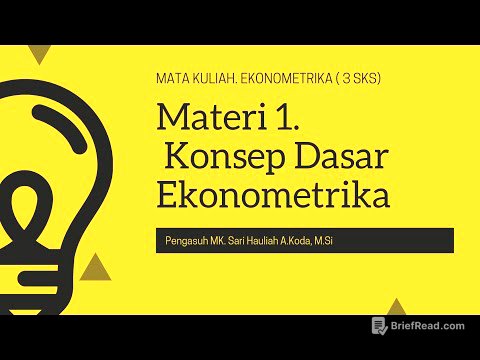
This video introduces a course focused on facilitating learner-centered teaching, which aims to transform traditional teacher-centered methods into approaches that prioritize the learner's experience. Key takeaways include the significance of creating supportive learning environments tailored to individual student needs, the importance of differentiated teaching strategies, and the role of educators as facilitators of learning rather than just transmitters of knowledge.
- Transition from traditional teaching to learner-centered approaches.
- Emphasis on understanding diverse student needs and inclusive strategies.
Introduction to Learner-Centered Teaching [0:00]
The course emphasizes the need to embrace a teaching philosophy that centers on the learner in today’s changing educational landscape. It promotes active involvement of students in their learning journey rather than just content delivery. Through this course, educators will learn to engage students meaningfully and responsively.
Course Structure and Goals [0:49]
The course aims to equip future educators with essential principles and practices for creating learner-centered environments. It will cover educational psychology relevant to these methods and explore how to accommodate diverse learning styles within a classroom. The focus will be on fostering a love for learning and successful engagement for all students.
Understanding Differentiated Teaching [1:36]
Differentiated teaching aims to tailor strategies to meet the unique needs of students. This chapter discusses the importance of effectively supporting students from various socioeconomic and cultural backgrounds, ensuring all have equal opportunities for success. Strategies will be explored to create inclusive environments that value and support every learner.
Expected Outcomes of the Course [2:18]
By the end of the course, participants are expected to demonstrate a comprehensive understanding of learner-centered teaching concepts, including managing classroom structure and promoting engagement through exploration and hands-on activities. Educators will learn to create supportive environments, implement positive discipline, and address differentiated needs, ensuring a nurturing learning atmosphere for all students.
Redefining Education and the Educator's Role [3:50]
Education is defined as leading and facilitating learning, aiming to create positive changes in students' behaviors. It fosters critical thinking and prepares students for active citizenship. The role of the modern educator evolves from being a knowledge transmitter to a facilitator who encourages student engagement and deeper understanding through interactive methods.
Preparing for Teaching [6:52]
Preparation for teaching is a continuous process that begins during pre-service education and extends throughout a teacher's career. Professional development, including meetings and workshops, is crucial for staying updated and effective in teaching practices. Obtaining licensure and certification enhances professional credibility and ensures teachers meet educational standards.
Becoming a Certified Teacher [8:31]
A licensed and certified teacher meets the professional and ethical standards necessary for teaching. This certification demonstrates readiness and commitment to quality education. The chapter outlines the process of obtaining a teaching license, highlighting the importance of hands-on experience during teacher preparation programs.
Conclusion and Future Journeys [9:30]
Becoming an effective educator is an ongoing journey characterized by learning and growth. The course will provide tools to create engaging and supportive learning environments. Participants are encouraged to view their role as facilitators of student growth and development, fostering curiosity and commitment to teaching and learning.