TLDR;
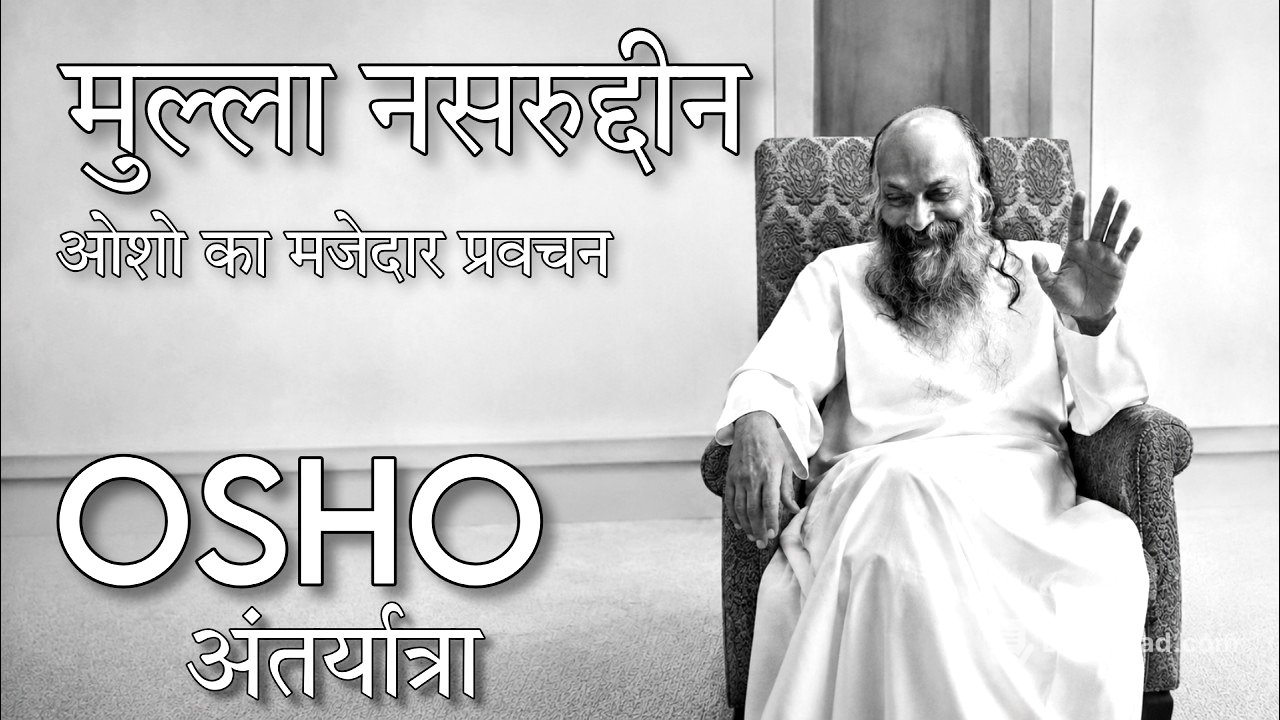
In this video, the narrative revolves around the character of Mulla Nasruddin, whose stories blend humor with profound life lessons. Key points include:
- Mulla Nasruddin's ability to satirize human behavior and societal norms.
- The exploration of truth, perception, and the hilarity within human folly.
- A reflection on self-awareness, the nature of knowledge, and the innate absurdities of life.
Mulla Nasruddin's Wisdom [0:05]
Mulla Nasruddin is introduced as a figure who merges religion and humor, making profound insights accessible through light-hearted storytelling. He is celebrated across various cultures, each claiming him as one of their own, illustrating his universal appeal.
The Art of Flattery [0:58]
Nasruddin's rise to prominence begins as he serves a Nawab, where he excels in the art of flattery, showcasing not just deceit but an understanding of human nature. This chapter highlights how he impresses the Nawab with exaggerated praises for an ordinary vegetable—okra. The Nawab’s initial delight turns to dismay after continuous servings, revealing the pitfalls of blind belief.
Self-Delusion and Hypocrisy [4:19]
The narrative transitions to self-reflection, where listeners are urged to examine their own behavior akin to Mulla’s flattery. The concept emphasizes how individuals cater to others' expectations while suppressing their authentic selves, leading to a cycle of delusion reinforced by internal and external pressures.
Searching for Joy [6:17]
A story unfolds where Nasruddin searches for a lost key under a streetlight despite it having fallen inside his house. This anecdote serves as a metaphor for how people often seek happiness in external validations, ignoring the real source within themselves. The truth becomes obscured by the allure of superficial pursuits.
Illusions of Acquisition [9:41]
Nasruddin, whom border guards initially suspect of smuggling, humorously credits the donkey he's transporting with the actual wealth—not the grass he carries. This illustrates how the most evident truths are often overlooked in pursuit of complex schemes.
Valuing Truth Over Flattery [14:01]
In a humorous exchange with a king regarding a lavish turban, Nasruddin highlights superficial value judgments, ultimately securing a reward through his awareness of the king's vanity. This chapter demonstrates how ego and flattery intertwine, revealing the king’s vulnerability to flattery while exposing the folly in his desire for external validation.
False Authority [18:21]
Mulla Nasruddin faces trial for claiming that the so-called wise men are indeed misguided. He highlights the absurdity of their lack of consensus on something as fundamental as bread, reflecting on how intellectuals often disagree on complex issues while uniting against a single dissenter.
Inadequate Experience [23:30]
This section elaborates on encountering knowledge without experience. The villagers express admiration for Nasruddin's wisdom, but he cleverly points out their ignorance of what he might say, emphasizing the futility of assumptions without genuine understanding.
Confronting Ignorance [27:31]
Nasruddin advises that the real essence of wisdom arises from personal experience as opposed to theoretical knowledge. He urges people to seek living truths rather than becoming ensnared in doctrinal assertions that lack personal impact or witness.
Navigating Life Instinctively [31:00]
Mulla Nasruddin's encounter while crossing a river highlights the futility of theoretical knowledge when faced with reality. Survival skills take precedence over academic learning, and in moments of crisis, the inherent wisdom of experience shines through.
The Absurdity of Perception [35:11]
The narrative recounts how people misconstrue situations based on preconceived notions, as evidenced by the comical incident with Nasruddin’s inverted sitting position on his donkey. This serves as a critique of the human tendency to rationalize foolish behavior, illustrating how absurd explanations mask deeper truths.
Embracing Mortality [56:40]
In the concluding chapter, Nasruddin's whimsical will leads to profound reflections on life and death, suggesting there are no barriers to the divine. His humor serves as a medium to dissect the seriousness that humans assign to rituals, ultimately revealing the simple truths of existence.