TLDR;
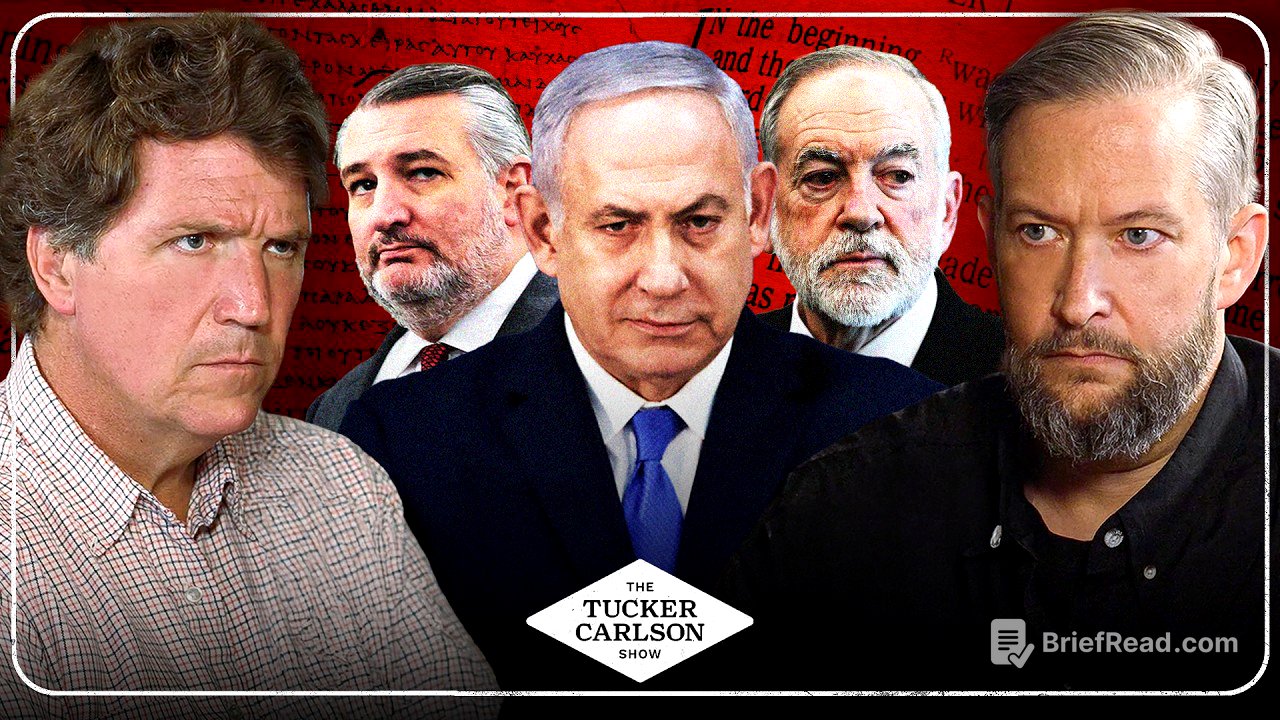
The video discusses Christian Zionism and its theological foundations, particularly dispensationalism. It explores pivotal questions about the role of Jesus in this theology, the historical perspectives on who bears responsibility for Jesus's crucifixion, and the implications of supporting Israel from a Christian viewpoint. The conversation critiques how modern interpretations and religious beliefs intertwine with political agendas regarding Israel and the Jewish people, leading to pressing implications for Christians today.
- Overview of Christian Zionism.
- Explanation of dispensationalism as a theological framework.
- Discussion of the role of Jesus in dispensationalism.
- Examination of the implications of supporting Israel within the context of Christian beliefs.
- Consideration of the modern relationship between evangelical Christians and Israel.
What Is Christian Zionism? [0:00]
The video begins by defining Christian Zionism, emphasizing its impact on global politics and how it affects Christian support for a Jewish state in Palestine. JD Hall notes that many believe all Christians should inherently support Israel based on biblical assertions. He challenges this notion, examining the scriptural basis for such beliefs and the moral implications for Christians worldwide.
What Is Dispensationalism? [2:50]
Dispensationalism, a theology created by John Nelson Darby, is described as a framework that categorizes God's interaction with humanity into different eras or "dispensations." This chapter contrasts dispensationalism with covenant theology, which most Christians historically have followed. Hall explains how dispensationalists assert separate promises for Jews and Christians, which complicates the understanding of salvation and God's promises.
What Is Jesus Christ's Role in Dispensationalism? [20:40]
The conversation focuses on the varying interpretations of Jesus's role within dispensationalism, highlighting Darby's view that the church exists as a parenthesis in God's plan for Israel. The discussion critiques the idea that God's overarching concern is solely for the Jewish people rather than for all of humanity, emphasizing Christ's universal message and mission.
Who Killed Jesus? [26:26]
This chapter tackles the contentious question of who is responsible for Jesus’s death. Hall states that while Jews were involved in the plot against Jesus, it was ultimately the Romans who executed him. The conversation critiques the oversimplified narratives that blame Jewish people, pointing to broader historical and theological contexts that complicate the issue.
The Scofield Bible and How Dispensationalism Was Used for Political Gain [35:45]
The discussion shifts to the influence of the Scofield Bible, which popularized dispensationalist theology in America. This version of the Bible, featuring notes that aligned with Darby's theology, facilitated the widespread acceptance of these ideas among American evangelicals. Hall elucidates how Scofield's text intertwined religious belief with political motivations, shaping views on Israel.
How Zionism Took Hold in the West [42:42]
Hall examines the historical spread of Zionism in the West, linking it to both religious and political movements in Europe and America. He highlights the development of pro-Zionist sentiment and its alignment with dispensationalist theology as crucial to its acceptance in western Christianity.
How Does the Secular State of Israel Fit Into This Theology? [45:31]
The chapter addresses the complexities of supporting a modern secular state of Israel from a theological perspective. It questions how such support aligns or conflicts with Christian teachings and beliefs, particularly regarding the role of Jesus as a universal savior, contrasted with the specific ethnic focus of dispensationalism.
Israel's Persecution of Christians [47:25]
Hall discusses the reality of Christian persecution within Israel and the broader implications for Christians who support the state. He cites examples of violence and discrimination faced by Christian communities, challenging the narrative that Israel is a safe haven for all believers.
What Is the Muslim View of Jesus? [53:19]
This segment looks into how Muslims view Jesus, acknowledging the reverence for him as a prophet while highlighting key theological differences with Christian beliefs about him as the Messiah. The discussion aims to clarify misconceptions among Christians about Islam and its teachings concerning Jesus, advocating for a more nuanced understanding.
Israel's Propaganda Campaign on Christians [58:45]
The chapter sheds light on the Israeli government’s efforts to sway American Christians to adopt pro-Israel views through various propaganda methods. Hall describes tactics such as geo-fencing and targeted messaging aimed at churches to manipulate perceptions of Israel among Christians.
Israel's Evil AI Targeting Programs [1:10:04]
Hall discusses the use of artificial intelligence in Israeli military operations, highlighting ethical concerns regarding civilian casualties. He presents specific targeting programs named with provocative titles, raising questions about morality in warfare and its implications for Christians supporting Israel.
Is Modern Judaism the Jewish Religion of the Old Testament? [1:14:23]
The conversation explores the evolution of Judaism post-temple destruction and how modern practices differ significantly from those depicted in the Old Testament. Hall notes that contemporary Judaism has adapted and changed, which presents a conflict with the historical religious practices described in scriptures.
What Are Mike Huckabee's Motives? [1:21:08]
This chapter critically evaluates Mike Huckabee's motivations for his unwavering support of Israel, suggesting that his views may be politically driven rather than theologically founded. Hall posits that Huckabee's stance reflects a broader pattern of Christian leaders aligning with political agendas under the guise of religious obligation.
Are Christians Waking Up? [1:24:22]
Hall reflects on a growing awareness among Christians regarding the theological discrepancies they have historically accepted related to Israel and Jewish promises. He indicates a rising desire for discernment within the faith community, where individuals are re-evaluating what they have been taught and are seeking deeper theological understanding.
Can Christians Support War in Iran? [1:39:16]
The video concludes with a discussion about the implications of supporting military action in Iran from a Christian perspective. Hall argues that advocating for violence contradicts the core tenets of Christianity, emphasizing love and peace over aggression and warfare, ultimately challenging viewers to reconsider aggressive political stances that are couched in religious support.