TLDR;
The video covers three consumer scams and practical ways to protect yourself:
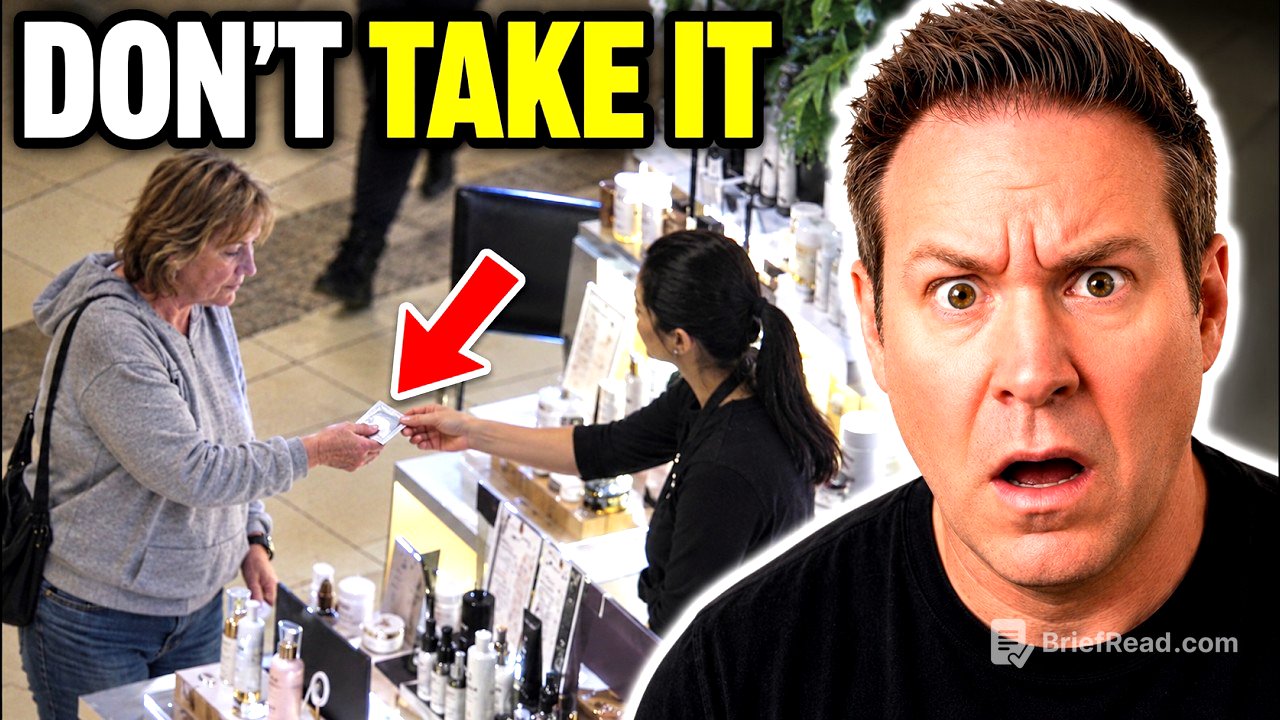
- Mall salespeople use free samples, pressure tactics, and misleading claims to push expensive products and extract money, particularly from older shoppers.
- A caregiver allegedly used power of attorney and questionable paperwork to take ownership of a vulnerable man’s home for $5.
- Walmart and other retailers have been caught with shelf prices, digital price labels, and checkout totals that do not match.
Free-Sample Scams at Mall Kiosks [2:36]
Mall kiosks and skincare stores use free samples, scratch-off cards, and complimentary facial offers to draw shoppers inside. Some salespeople then employ pressure tactics, avoid clearly showing prices, and push expensive products. One 84-year-old Florida woman reportedly discovered tens of thousands of dollars in charges for skincare devices and collections she says she did not knowingly agree to buy. In another case, a 75-year-old woman was persuaded to seek $50,000 from banks after a salesperson claimed she could become a company spokesperson; bank tellers recognized the scam and alerted police.
Consumer advocate Teresa Murray advises shoppers to keep walking rather than engage with unwanted sales pitches. Never hand over a payment card, use a debit card linked to a primary checking account, or sign anything without reading it carefully; keep copies of receipts. If you are pressured, isolated, blocked from leaving, or asked to go to a bank, contact a trusted relative, mall security, your bank, and police. Report incidents to the Better Business Bureau, your state attorney general, and the Federal Trade Commission, since complaints help regulators identify patterns.
Caregiver Fraud and the $5 House Deed [14:07]
A daughter visiting her 75-year-old father, who had Parkinson’s disease and a brain injury, found that the locks and doorbell had changed. The caregiver told her that her father had died three days earlier and claimed ownership of the house. When the daughter and her partner entered, police treated them as trespassers because the deed listed the caregiver as the owner, and they were handcuffed.
The report says the caregiver obtained power of attorney within weeks of starting the job, then arranged for the father’s home—worth hundreds of thousands of dollars—to be transferred for $5. One law office reportedly declined to handle the paperwork, while another processed it; a member of the caregiver’s family notarized documents, which the host says should not have been permitted. The caregiver was later arrested on allegations including perjury, breach of trust, and exploitation of a vulnerable adult.
To reduce the risk, the video advises families never to let a paid caregiver obtain power of attorney. Family members should review documents before a patient signs them and check bank statements monthly for unexpected changes to mortgage or rent payments. Anyone who suspects abuse can contact Adult Protective Services at 1-800-677-1116.
Checking Grocery Prices and Checkout Totals [20:38]
A shopper’s video shows Chef Boyardee products marked at $1 ringing up at a higher price until an employee corrected the total. The segment notes that digital shelf labels have not eliminated price mismatches. Dollar General paid $1.5 million to settle a Pennsylvania case after stores failed 40% of price checks, according to the report, and Walmart paid $5.6 million to settle a California case while denying wrongdoing.
Another shopper checks Walmart’s unit-price calculations and finds apparent overcharges on salt and Italian seasoning. For example, the salt’s listed per-ounce price and package size suggested a lower total than the shelf label displayed. The host recommends checking each item as it scans, verifying the unit price against the product’s weight or volume, and asking for a manager if the calculation does not add up. Take photos of shelf labels and review the receipt before leaving the store.