TLDR;
This video explores themes of spirituality through the lens of ancient Vedic teachings, focusing on the nature of the self, the mind, and how one can recognize the truth about their existence. It explains the distinction between two types of knowledge—Paravidya (spiritual knowledge) and Aparavidya (worldly knowledge)—and emphasizes understanding one's real identity beyond the physical body. The instructor encourages contemplation, inquiry, and the relationship with the divine.
- Understanding spirituality is about realizing one's true self beyond the body and ego.
- Paravidya, or spiritual knowledge from the divine, is contrasted with Aparavidya, worldly education.
- Spiritual practice involves listening, questioning, and reflecting on these teachings.
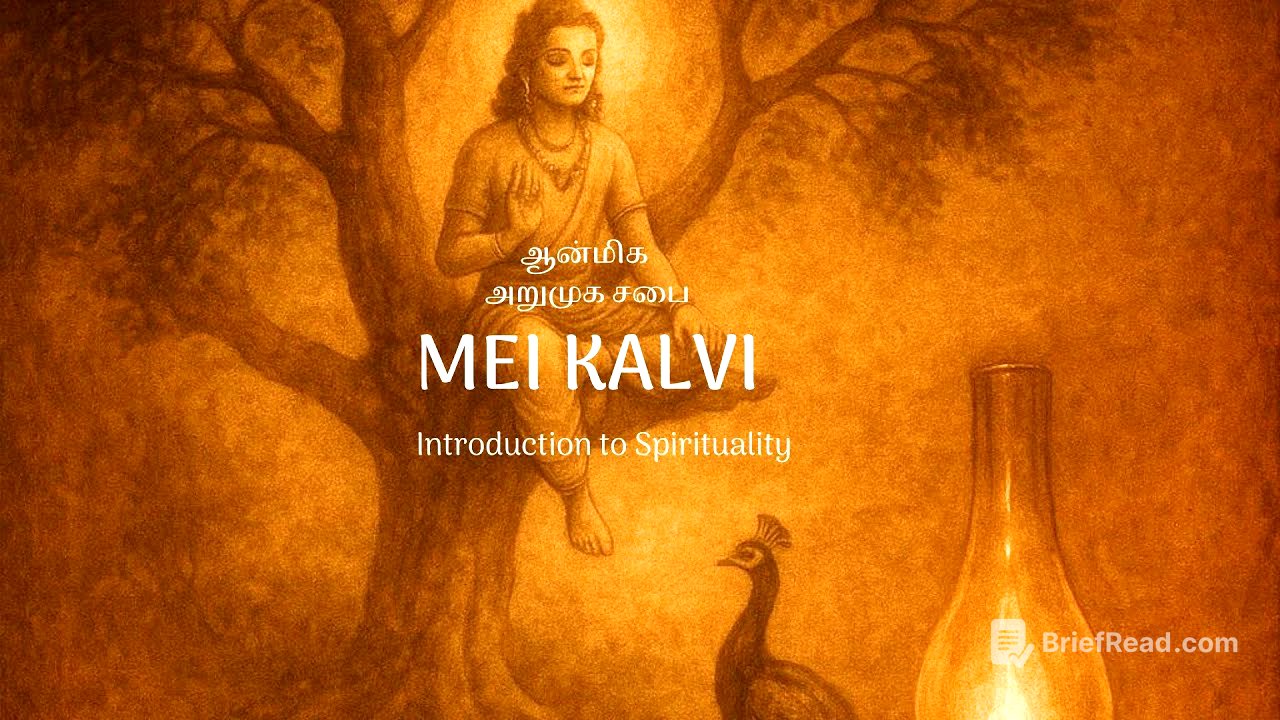
Introduction to Spirituality [0:00]
The speaker begins by referencing the Bhagavad Gita, specifically chapter 2.46, discussing the importance of knowledge and the absolute truth in spirituality. They highlight that reading many Vedas without true understanding is futile, likening it to a reservoir of knowledge that is only valuable if it can be applied. The search for spirituality is ultimately about understanding one’s own identity and truth.
Two Forms of Education [2:34]
Education is categorized into two types: Paravidya (knowledge from God) and Aparavidya (knowledge gained through worldly education). Aparavidya encompasses traditional learning such as science and mathematics, while Paravidya represents spiritual wisdom that comes directly from the supreme consciousness. The speaker emphasizes the need to distinguish between these two forms of knowledge and to seek the deeper wisdom provided by Paravidya.
Understanding Knowledge Sources [5:36]
The instructor explains that spiritual knowledge comes in three forms: Shruti (hearing), Smriti (remembering), and Puranas (stories). The knowledge is received from sages who directly connected with the divine and is meant to guide humanity in understanding spirituality. Engaging with these teachings requires a thoughtful approach, where listening, clearing doubts, and contemplation are essential for learning and grasping the concepts.
The Nature of the Body [8:28]
The speaker illustrates that the physical body is not the true self by posing questions about identity when body parts are removed. They highlight that even without a physical form, the essence of self remains. This section emphasizes the decay of the body and urges viewers to recognize that their identity extends beyond their physical appearance and associated concerns.
Components of the Mind [13:40]
The mind is broken down into four parts: Manas (consciousness), Chitta (memory), Buddha (intellect), and Ahamkara (ego). The speaker explains the roles each part plays in decision-making and self-identification, urging listeners to discern which aspect of the mind is influencing their thoughts and actions, particularly as it relates to desires and distractions.
Ego and Spiritual Liberation [17:06]
Ego is framed as both a necessary aspect of identity and a source of suffering. The speaker encourages understanding the nature of the ego and its desires, suggesting that true liberation (Moksha) comes from transcending these attachments and recognizing the immortal essence of oneself. This section reiterates that liberation is attainable during one’s lifetime, not solely in death.
The Concept of Sadhu and Spirituality [22:04]
The video broadens its scope to define spirituality, identifying a sadhu (or sage) as one who renounces false attachments and seeks the truth of the self. Spirituality is described as the process of uncovering the ego and engaging with the core self, which leads to understanding God and one's purpose in life. This part stresses that knowledge must be pursued with care, and that true spirituality focuses on discerning truth from illusion.
Practicality of Spiritual Understanding [27:23]
The instructor provides practical insights into maintaining spiritual knowledge while living in a worldly context, indicating that spiritual practices, rituals, and proper conduct can aid in purifying one’s mind and body. They warn against letting the attachments to materialism distract from spiritual pursuits, advocating for a focused effort to nurture spiritual growth.
The Guru's Role [33:05]
The speaker notes the importance of finding a guru, someone who can guide individuals on their spiritual journey. A guru offers wisdom based on experience, facilitating one’s understanding of Vedic knowledge. They encourage viewers to engage deeply with these teachings to uncover their true nature and the relationship with the divine.
Conclusion and Next Steps [46:31]
After covering the foundational aspects of spirituality, the speaker concludes by inviting further exploration of these teachings and a deeper engagement with Vedic texts. They stress the importance of consistent practice, inquiry, and contemplation. Listeners are encouraged to share their questions and reflections as they embark on this spiritual path.