TLDR;
In this video, the discussion revolves around the recent interest rate hike by the U.S. Federal Reserve, marking the first increase in three years. The episode addresses the implications of this decision, including the independence of the Federal Reserve from political pressure, the influence of market expectations, and the broader economic effects, particularly concerning inflation and job growth. The conversation also delves into predictions about future rate hikes and the potential impact of geopolitical factors.
- The Federal Reserve raised interest rates for the first time in three years on September 16.
- The hike is seen as a statement of the Fed's independence from political pressure and a response to inflation concerns.
Interest Rate Hike Announcement [1:00]
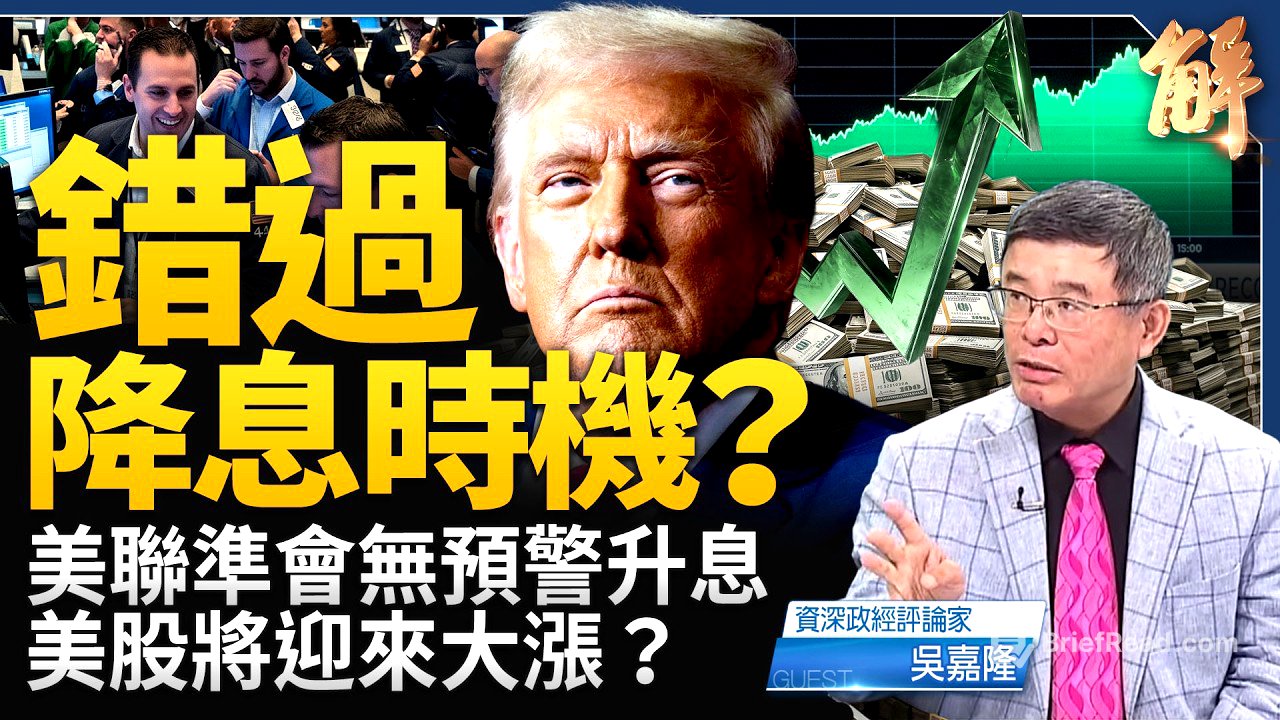
The episode begins with the hosts greeting viewers and introducing the topic of the U.S. Federal Reserve's announcement on September 16 regarding a rate hike. The decision was made unanimously, with Fed Chair Jerome Powell confirming a rise of 0.25%. This marks the first increase in three years, responding to expectations that initially favored a decrease in rates. The decision reflects the Fed's independence and its ability to withstand potential political pressures.
Market Reaction and Fed's Independence [1:02]
The experts discuss how the rate hike demonstrates the Fed's independence from the White House, particularly amid pressures from former President Trump's administration. The narrative shifts to the idea that the market was not forcing the Fed’s hand; rather, the Fed influenced market expectations toward accepting the rate hike. This strategic communication meant that the market was prepared for the increase, avoiding chaotic reactions that marked previous hikes.
Comparative Analysis of Rate Hikes [2:56]
A comparison is made to the Fed's actions during a past rate increase attempt in 2015, which led to significant market turmoil. The experts highlight how this 2021 hike occurred without the same level of market upheaval due to prior guidance from the Fed. The current increase is viewed in light of ongoing inflation efforts, assertive in showing the Fed’s commitment to addressing rising prices and setting the groundwork for future rate cuts.
Future Rate Predictions [4:45]
The discussion moves to future prospects, predicting potential additional hikes by the end of the year or early next year. Current forecasts suggest two to three more hikes could occur, with rates possibly climbing from 3.75% to between 4.25% and 4.75%. There is a consensus that the Fed is preparing to continue tightening until inflation shows signs of retreat.
Signals of Interest Rates Management [6:05]
The experts share insights on the multiple signals the Fed has previously sent about upcoming rate increases. From dissenting votes in prior meetings to verbal cues from recent economic reports indicating a strong job market, these factors were key in formulating the Fed's stance on hiking rates. The job market's strength diminishes concerns about potential adverse impacts from increasing the cost of borrowing.
Political Influences on Monetary Policy [10:11]
The conversation highlights the critical nature of political pressures on monetary policy-making. The panel discusses how the Fed's independence is paramount to avoid compromising economic stability through political interference. The influence of former President Trump’s statements on potential rate cuts only strengthened the likelihood of the Fed’s hike, serving as a counter-signaling to authoritative pressure from the White House.
Geopolitical Implications of Fed Policies [30:46]
As the discussion unfolds, the impact of U.S. rate policies on global economies, particularly Japan and China, is debated. With the Fed implementing rate hikes, the potential for capital movement between nations (for example, from China to the U.S.) arises. The experts analyze how this might affect other countries' monetary policies, particularly Japan’s need to adjust its interest rates as part of a broader strategy to combat currency fluctuations caused by U.S. monetary decisions.
Long-term Economic Forecasts and Challenges [39:20]
Finally, the forecast discusses how prevailing inflation rates and potential shifts in the job market could affect the U.S. economy in the long run. With AI and technological advancements anticipated to drive productivity, the need for vigilant monetary policy becomes more crucial. The potential for inflation due to rapid economic changes raises questions about the Fed's flexibility regarding future interest rate decisions, further emphasizing the complexity of managing monetary policy amid technological evolution and geopolitical tensions.