TLDR;
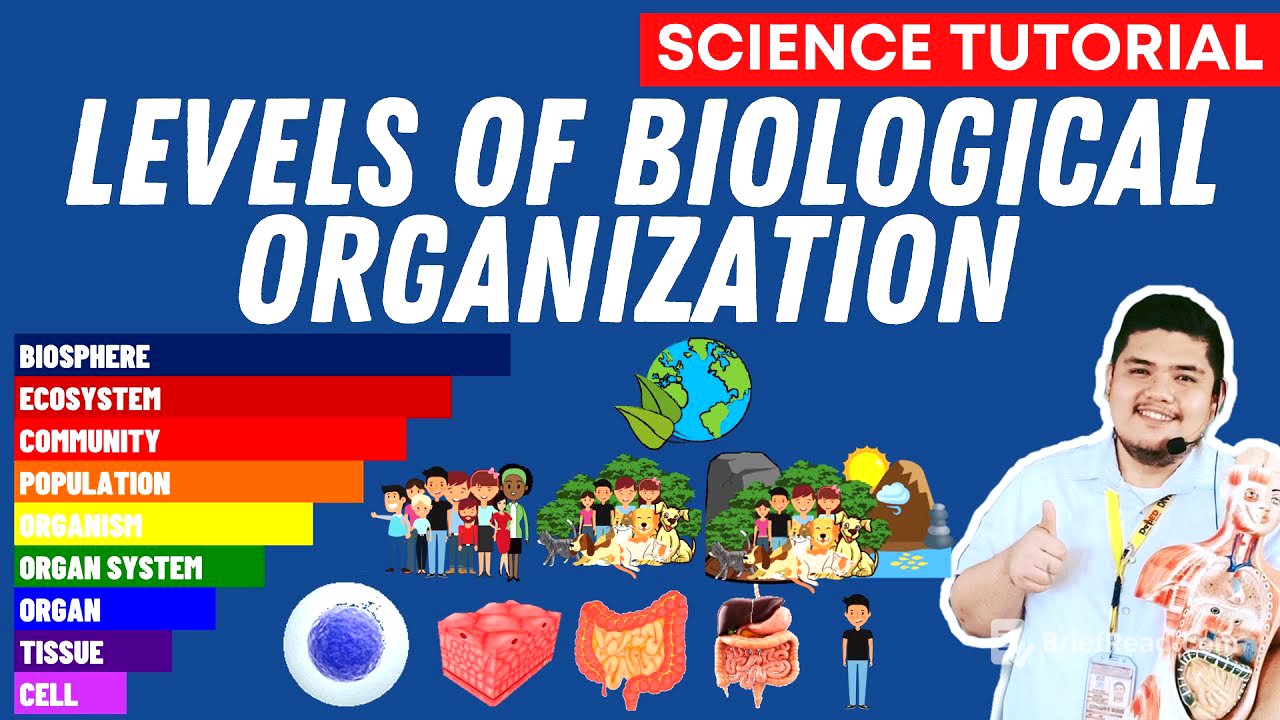
This video explores the different levels of biological organization, starting from cells to more complex structures within living organisms. It emphasizes the cell as the basic unit of life and discusses how cells form tissues, organs, and ultimately systems within an organism. Key concepts include the hierarchy of life, the functions of various biological structures, and the interdependence of these levels.
- Cells are the fundamental units of life.
- Organ systems collaborate to support organismal functions.
- Populations and communities represent higher organizational structures in biology.
Introduction to Biological Organization [0:00]
The video sets the stage for exploring biological organization by highlighting its importance, beginning from the basic unit of life, the cell, to the most complex organisms. It suggests a collaborative learning experience and hints at fun illustrations that will help visualize these concepts.
Cells: The Basic Unit of Life [0:18]
Cells are described as the smallest unit capable of performing all essential functions of life. The video highlights the unique structures of cells, such as red blood cells and bacteria, which perform specific roles within living organisms.
Tissues: Groups of Cells [3:15]
The next level of organization is tissues, which consist of groups of cells working together to fulfill a specific function. Examples include muscle tissue and nervous tissue, which have distinct roles in processing information and movement in the body.
Organs: Complex Structures [4:34]
Organs are discussed as groups of tissues organized to perform specific functions. The heart and brain are highlighted as examples, illustrating how different types of tissues collaborate to support the overall functioning of the organism.
Organ Systems: Functional Groups [5:20]
Organ systems consist of multiple organs working together to perform complex functions essential for sustaining life. The digestive system is introduced, emphasizing how various organs coordinate to break down food and absorb nutrients.
Populations and Communities [5:59]
At a higher organizational level, populations consist of groups of individuals from the same species, while communities include multiple populations interacting in a shared environment. The video explains the significance of these interactions for ecological balance.
Conclusion on Biological Organization [7:48]
The conclusion revisits the complexity of biological organization and encourages further exploration of the levels discussed. It emphasizes the connectedness of life from cells to ecosystems, framing biological study as an essential understanding of life systems.