TLDR;
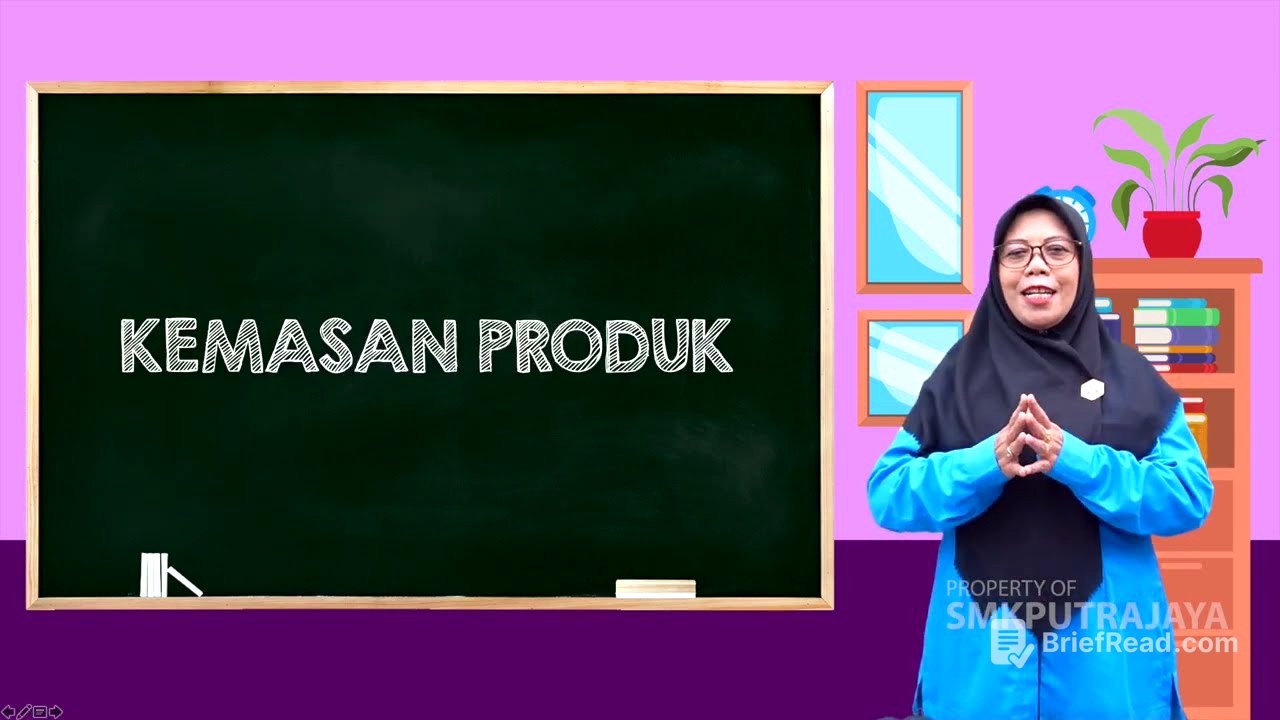
The video discusses the importance and evolution of product packaging. It emphasizes how packaging has changed from traditional methods to modern techniques, highlighting its various functions, structures, and essential requirements. The final part of the lesson explores the visual appeal of packaging and how it influences consumer choices.
- Evolution of packaging from traditional to modern methods.
- Essential functions and structures of packaging.
- Criteria for good packaging and the impact of visual appeal.
Opening [0:00]
The instructor introduces the topic of product packaging and outlines the key points of discussion, including the differences between past and present packaging, the functions of packaging, its structure, requirements for good packaging, and the visual appeal of packaging.
Kemasan Dahulu vs Kemasan Sekarang [0:50]
This chapter details the differences between traditional and modern packaging. Traditional packaging focused less on material protection and marketing, often using simple materials like leaves, paper, and cloth. In contrast, modern packaging is designed for marketing, providing essential information and ensuring product safety and cleanliness. Today's consumers are more informed and demand better packaging, including features like product images, specifications, and expiry dates.
Fungsi Kemasan [2:43]
The instructor outlines the primary functions of packaging. These include keeping food products clean, protecting against physical damage, maintaining moisture levels, and having an efficient design for handling and distribution. Packaging should also be convenient to open and close, easy to handle, and able to withstand transport conditions. Furthermore, packaging needs to convey clear product information and be visually appealing to attract consumers.
Struktur Kemasan [6:42]
This chapter discusses the three levels of packaging structure: primary, secondary, and tertiary. Primary packaging is the one in direct contact with the product, such as a drink container. Secondary packaging protects primary packaging and is often used for shipment, such as a cardboard box containing multiple products. Tertiary packaging is used for bulk handling, ensuring safe transportation of products, especially fragile items.
Syarat Pengemasan yang Baik [11:06]
The requirements for good packaging are outlined in this section. Good packaging must be non-toxic, prevent reactions with food, protect against contamination, and prevent the ingress of odors and gases. It should also be waterproof for liquid products, be resistant to sunlight, and withstand pressure during transport. Additionally, attractive packaging can help products stand out in a crowded market.
Daya Tarik Visual Kemasan [17:59]
This chapter focuses on the visual appeal of packaging. The instructor discusses the importance of well-designed packaging that is aesthetically pleasing, has a clear identity, and is easy to recognize. A good design can captivate consumers, encouraging them to choose that product over competitors. The chapter ends with examples of effective visual packaging that successfully draws consumer interest.