TLDR;
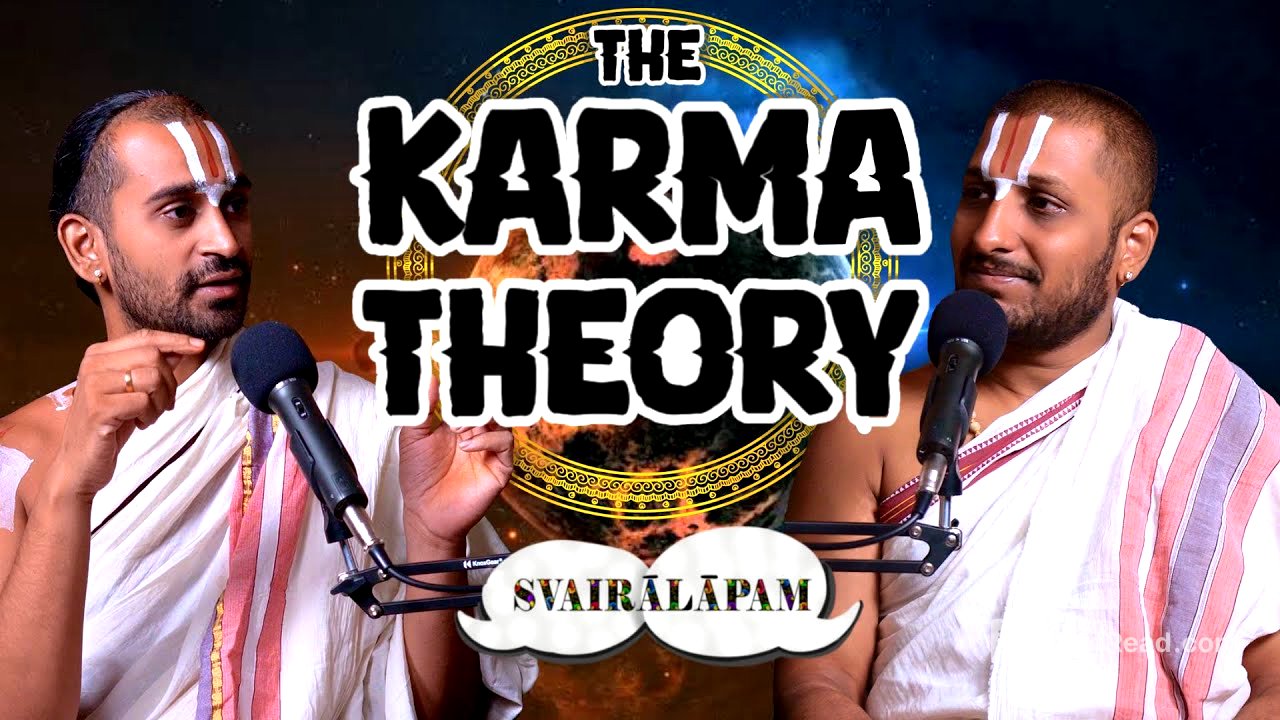
This video explores the intricate concepts of karma, specifically through the lens of Indian philosophies as outlined by Ramanujacharya. It discusses the definitions of karma, the concepts of puny (good) and pap (bad) actions, the roles of Bhagavan (God), and the phases of karma’s working mechanism. Important takeaways include the understanding that every action has consequences, the intermediary process that connects actions and results, and how free will interacts with karmic results.
- Karma is defined as action, with direct links to its results and intermediary processes.
- Puny and pap represent good and bad actions, which yield consequences based on divine memory and will.
- The law of karma states that every action requires accountability and will yield results accordingly.
Intro [0:00]
The introduction sets the stage for the discussion on karma, emphasizing its importance within various Indian philosophies. The speaker mentions the intent to clarify misconceptions about Bhagavan's role in the law of karma, indicating that actual practices can differ across traditions but generally coalesce around the understanding of karmic consequences.
What is karma? [3:04]
Karma is derived from the Sanskrit word for action, encompassing both the actions performed and their outcomes. The term also accounts for three types of actions: manasa (mental), vachika (verbal), and kayika (physical). This chapter illustrates that every action done leads to a subsequent result, creating a continuous cycle in our lives.
What is Punyam and Papam? [7:00]
Punyam refers to good actions while papam refers to bad actions. Both of these actions contribute to our karmic profile, affecting our future experiences. The discussion highlights that these terms sometimes encompass the actions themselves and the intermediary results that come from them, emphasizing their moral implications.
What is the 'Law of karma'? [9:56]
The law of karma states that every action has corresponding results that must be experienced, regardless of when they occur. The speaker elaborates that good actions often lead to rewards while bad actions lead to punishment, reinforcing the concept that one cannot escape the consequences of their actions. Various schools of thought in Indian philosophy may interpret these connections differently, but they generally agree on the fundamental principle of accountability.
Working mechanism of Karma [12:56]
The working mechanism of karma involves understanding Bhagavan’s role in this process. Bhagavan is depicted as an indifferent observer during the initial decision-making phase, but becomes actively involved in the sanctioning phase when actions are taken. This interplay between divine will and human choices demonstrates a nuanced relationship where humans exercise free will.
First phase - Action [15:05]
In the first phase, actions are performed by the individual. The discussion emphasizes that while humans have the free will to choose, Bhagavan provides the context and capability to act. The speaker references scriptures like the Brahma Sutra to assert that humans are indeed the doers of their karma, although Bhagavan ultimately sanctions the decisions made.
Role of Bhagavan [17:48]
Bhagavan's role encompasses creation, granting knowledge, and permitting actions. The chapter explains that while Bhagavan may not dictate actions, He allows individuals the freedom to decide and perform them. This implies that divine intervention occurs primarily at the point of sanctioning the actions taken by individuals.
Second phase - Intermediary phase [23:50]
The intermediary phase refers to the state where actions are recorded in Bhagavan's memory. Whenever individuals perform actions, they leave behind impressions, which are collectively stored and eventually manifest as results. This recording is crucial for understanding the eventual consequences of one’s actions.
What exactly is Punyam and Papam [28:45]
This segment further explicates the nature of puny and pap by demonstrating how these actions influence an individual’s fate. Bhagavan retains a record of every action, meaning that even if individuals forget their deeds, they remain in divine memory, leading to future karmic results.
Third phase - Result [32:05]
The third phase covers how Bhagavan decides to manifest results for the actions taken. These results don’t always come in the same lifetime; rather, they may span across multiple lifetimes, highlighting the concept of karma as a continuous cycle that intertwines individual actions with collective fates.
Three results of each karma [36:30]
Each action leads to three distinct results: the immediate karma (puny or papam), the psychological conditioning (ruchi and vasana), and the resulting eligibility or ineligibility for future paths. This detail stresses that individual karma shapes personal tendencies and options in future reincarnations.
How much free will do we have? [50:15]
The discussion about free will addresses its limits shaped by past actions. While individuals indeed possess the ability to make choices, these choices are influenced by their accumulated karma, creating a reality where free will exists alongside karmic constraints.
Why Bhagavan permits bad actions [54:45]
Bhagavan allows individuals to act according to their free will, including bad actions. This chapter discusses the philosophical implications of this permissiveness, framing the loss of accountability in the face of bad karma as a necessary aspect of maintaining free will in human actions.
How to end the karmic cycle? [57:43]
The conclusion centers on the potential for liberation from the cycle of karma through methods such as devotion (bhakti) and surrender (sharanagati) to Bhagavan. Various pathways to achieving moksha (liberation) are highlighted, noting that each tradition may have its own approach while emphasizing the role of divine intervention and guidance.