TLDR;
The video provides a detailed overview of setting up and using slip bobbers for fishing, discussing their advantages over conventional clip-on bobbers. Key points include:
- Slip bobbers allow for fishing at various depths without cumbersome line hanging below.
- Different types of bobber stops are demonstrated, highlighting their effectiveness and ease of use.
- The presenter shares practical setup tips, gear options, and personal recommendations for successful slip bobber fishing.
Setting Up a Slip Bobber [0:00]
The video begins with an introduction to slip bobbers and the common clip-on style bobbers. Conventional bobbers are often used by beginners, but they have limitations, especially regarding depth. Slip bobbers allow for fishing at various depths while minimizing hassle during casting and setup.
Understanding Bobber Stops [2:19]
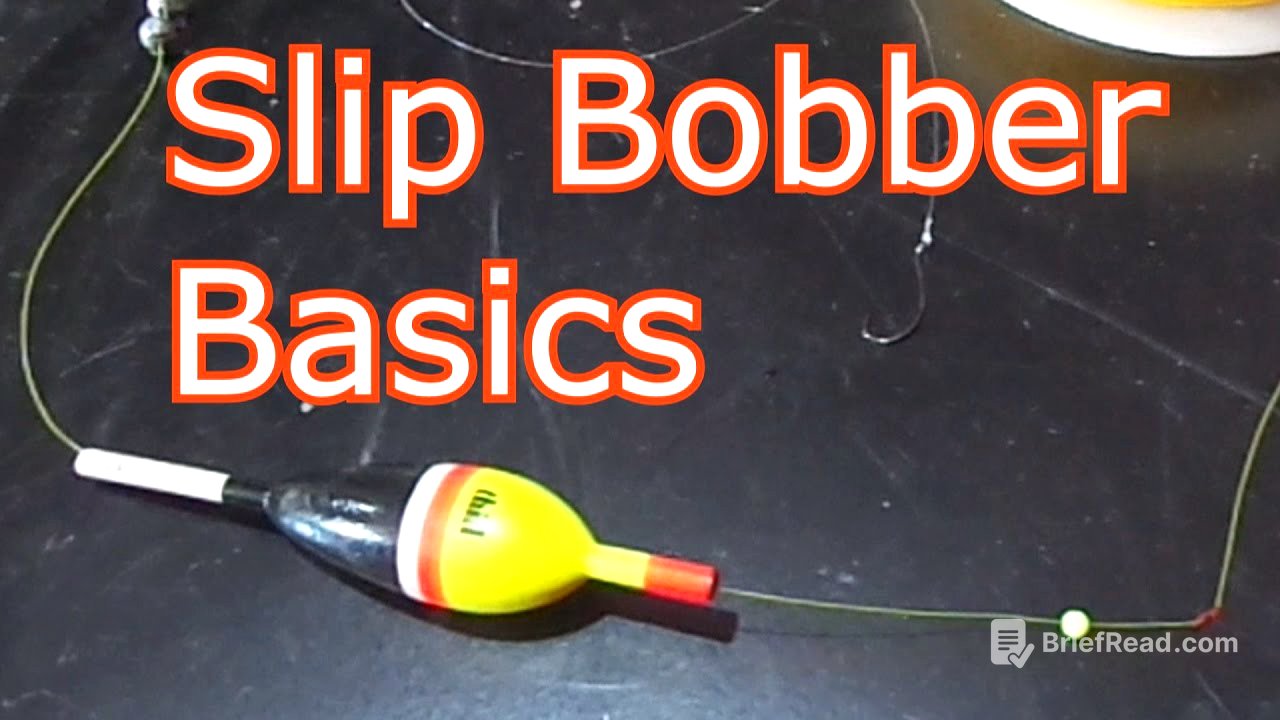
The video explains how bobber stops function in conjunction with slip bobbers. A bulky stop is used to prevent the sliding bead from passing through, which essentially keeps the rig at the desired depth. The presenter demonstrates this concept using heavy line for visibility and emphasizes the importance of choosing a size that is both effective and manageable when reeling through rod guides.
Different Styles of Bobber Stops [4:38]
Dave introduces various types of bobber stops: rubber footballs, speed stops (dog bone style), string stops, and plastic four-hole ones. Each style is demonstrated, showing how to attach them to the line. The presenter discusses pros and cons for each type, underscoring that he prefers the four-hole plastic stops for their adjustability, castability, and minimal tangling.
Rod Recommendations for Slip Bobber Fishing [10:00]
The importance of rod length for slip bobber fishing is highlighted, with a preference for rods around 7.5 to 8.5 feet for optimal performance. The presenter mentions practical considerations for fishing with kids and emphasizes that shorter rods can still be effective. The video also highlights that slip bobber rigs don't require expensive gear, making fishing accessible.
Rigging Up a Slip Bobber Setup [12:40]
The presenter showcases his preferred setup, detailing the components used, including braid line, a four-hole bobber stop, a bead, and the bobber itself. A description of the fishing lure, which may include a leech or a small jig, is provided. The rig can be used for various fish such as bluegill, bass, pike, and walleye.
Conclusion and Recommendations [13:50]
In conclusion, the video encourages viewers to experiment with slip bobbers, emphasizing their versatility and effectiveness for catching fish at varying depths. The presenter reiterates the importance of location in fishing success and provides a reminder of the unique advantages that slip bobbers offer over traditional methods.