TLDR;
This video explains how to get more views on YouTube by focusing on two key metrics: Click-Through Rate (CTR) and Average View Duration (AVD). It introduces the "Simple Attention Formula" (Clicks + Watch Time = Views) and provides actionable strategies to improve both CTR and AVD, including crafting engaging thumbnails and titles, optimizing the first 30 seconds of a video, and using hooks to maintain viewer interest. The presentation emphasizes that understanding and applying these principles can significantly boost a channel's performance and achieve monetization goals.
- Focus on CTR and AVD to increase views.
- Optimize the first 30 seconds to hook viewers.
- Use curiosity and clarity in thumbnails and titles.
- Implement hooks with promise, stakes, and curiosity.
- Analyze retention graphs to improve content.
Introduction: Avery B's YouTube Success and the Importance of Long Form Content [0:00]
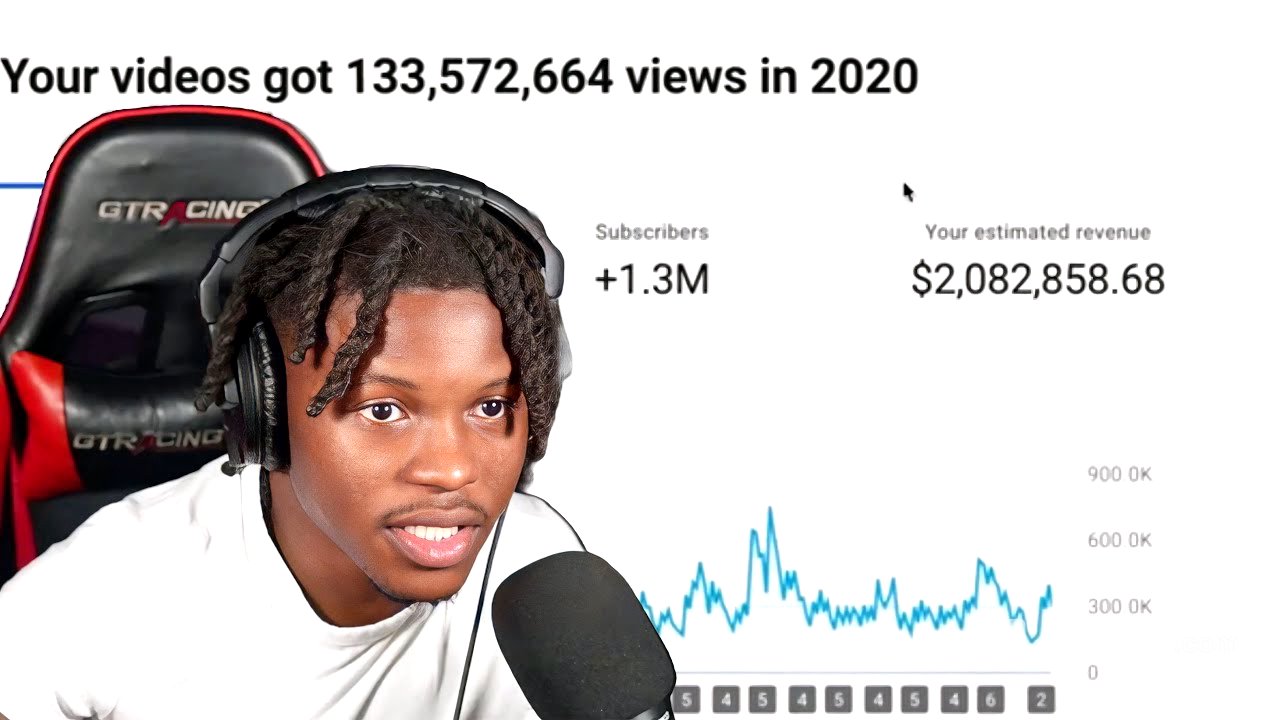
Avery B. introduces himself, highlighting his success on YouTube with over 300 million views, 1.5 million subscribers, and $1 million in ad revenue. He emphasizes the value of long-form content for building trust, generating income, and promoting businesses. He uses an analogy of Costco samples (short form) versus a full meal (long form) to illustrate how long-form content provides more value and connection, ultimately benefiting a brand.
The Simple Attention Formula: Clicks Plus Watch Time Equals Views [2:44]
Avery introduces the "Simple Attention Formula," which states that views are the result of clicks and watch time. He identifies CTR (Click-Through Rate) and AVD (Average View Duration) as the two main levers for increasing views. He stresses the importance of engaging thumbnails and compelling titles to drive clicks, noting that curiosity is what makes people click on a video.
The CTR Formula: Curiosity and Clarity [3:56]
Avery explains the CTR formula, which balances curiosity and clarity. Curiosity creates an information gap that makes viewers want to click, while clarity instantly communicates what the video is about. He introduces the "8% rule," suggesting that a CTR of 6% is a good baseline, 8% indicates strong performance, and 10% or higher suggests viral potential. He uses examples from his own channel to illustrate how different thumbnails and titles affect CTR and views.
Watch Time: The Engine That Powers Channel Growth [8:33]
Avery transitions to watch time, describing it as the engine that powers channel growth. He emphasizes the importance of starting videos strong, maintaining curiosity with micro hooks every 30 to 60 seconds, and providing emotional payoffs to keep viewers engaged. He advises analyzing the retention graph in YouTube Analytics to understand where viewers are dropping off and to optimize content accordingly.
The First 30 Seconds: Make or Break Your Video [10:51]
Avery stresses that the first 30 seconds of a video are crucial for determining whether viewers will commit to watching or click away. He shares an example where optimizing the first 30 seconds resulted in a significant difference in views (2 million vs. 200,000). He advises creators to focus on addressing why the video matters, what's at stake, what viewers will gain, and how to jump straight into the action.
The Hook Formula: Promise, Stakes, and Curiosity [14:59]
Avery introduces the hook formula, which consists of a promise, stakes, and curiosity. He provides an example hook related to making money and deleting a channel if the goal isn't achieved, explaining why it's effective. He shares a real-world example from his channel where a strong intro, repeated with different angles and quick cuts, led to 3.2 million views.
Conclusion: YouTube as a Language and the Power of Attention [17:25]
Avery concludes by stating that YouTube is a language with its own rules, and mastering it involves understanding human behavior. He reiterates that views equal attention, and controlling emotion leads to views. He encourages the audience to apply these principles to boost retention, build influence, and achieve monetization goals.
Q&A: Applying the Hook Formula to Selling a Community [18:10]
Avery answers a question about how to apply the hook formula to selling a community on YouTube. He suggests creating videos that demonstrate achieving the goals that potential community members desire. He provides an example of a confidence coach creating a video about approaching 100 girls, with a clear stake (punishment if the goal isn't met) and promise (displaying confidence).
Q&A: Capturing a Larger Audience While Staying Niche-Specific [19:58]
Avery addresses a question about capturing a larger audience while remaining niche-specific. He recommends "niche hacking," which involves studying viral videos in other niches and adapting their formats to fit the target audience. He uses Mr. Beast as an example, showing how he recycles video formats with different themes. Avery suggests creating videos that compare different levels of community investment to attract a broader audience.
Q&A: Research and Development, Experimentation, and Long Form vs Short Form [23:37]
Avery discusses the importance of research and development outside of one's niche to generate unique ideas. He also touches on the value of experimentation to determine optimal video length and content strategies. He emphasizes the importance of long-form content for building deeper connections with the audience, contrasting it with the broader reach but shallower engagement of short-form content. He shares strategies for using short-form content to drive traffic to long-form videos, including trial reels and burner TikTok pages.
Q&A: Thumbnail Clarity, Introduction Videos, and Mindset [29:45]
Avery advises prioritizing clarity in thumbnails, ensuring they correlate with the video title. He suggests studying successful thumbnails to identify patterns and adapt them. He also discusses the mindset needed for creating introduction videos, encouraging creators to approach their channel with the confidence of already being a successful YouTuber.
Q&A: Short Form vs Long Form, Description Optimization [31:45]
Avery explains that while some believe short-form subscribers don't watch long-form content, he's experienced the opposite effect, where short-form videos drive traffic to his long-form content. He recommends using a separate channel for short-form clips of podcasts. He also highlights the importance of optimizing video descriptions with relevant keywords to improve search visibility.