TLDR;
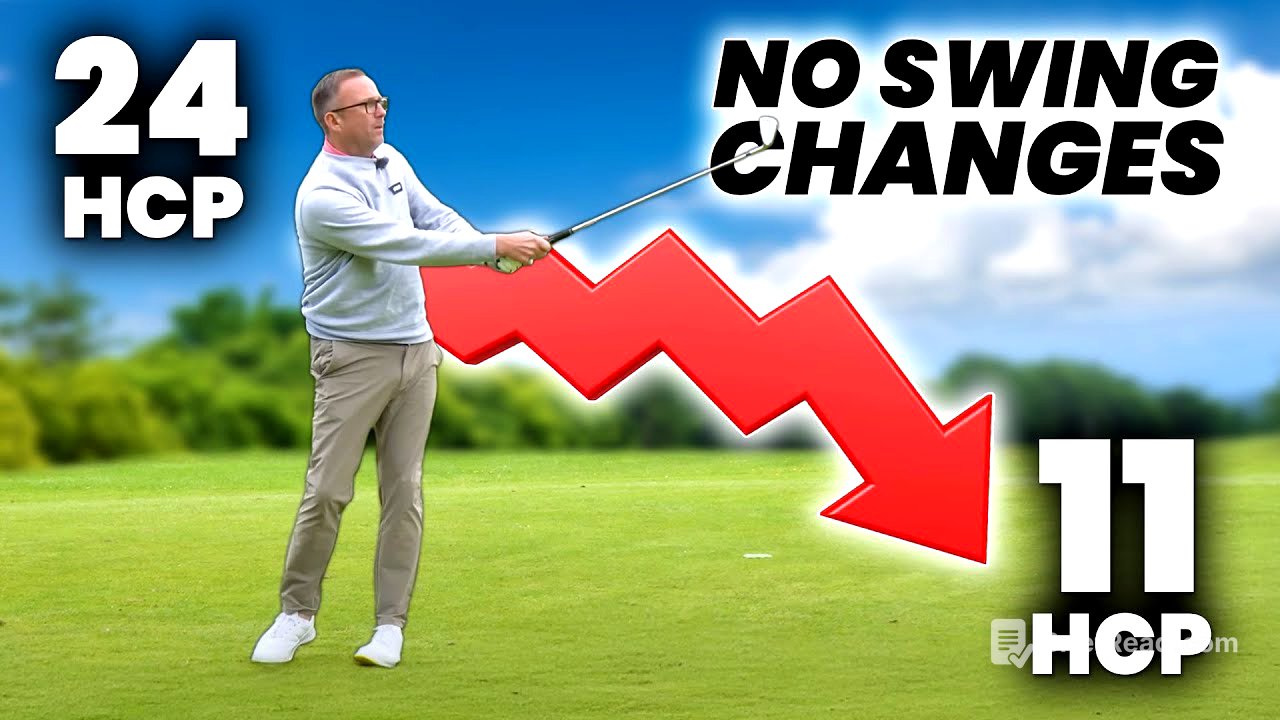
This video introduces the "traffic light method" to lower your golf handicap without changing your swing. It categorizes pin positions as red (danger, avoid), amber (caution, aim for the middle), and green (go, attack). By strategically selecting clubs and aiming points based on the traffic light system, golfers can minimize risks, avoid difficult situations, and improve their scores.
- Traffic light method: red (danger, avoid), amber (caution, aim for the middle), and green (go, attack)
- Club selection and aiming points based on the traffic light system
- Minimize risks and avoid difficult situations
Introduction to the Traffic Light Method [0:00]
Liam, an 8.4 handicapper and professional caddy, introduces the traffic light method, a strategy used by experienced golfers to lower scores without altering their swing. The method involves assessing pin positions and categorizing them as red (danger), amber (caution), or green (go). This approach helps golfers make smarter decisions on the course, leading to lower handicaps.
Red Light: Playing it Safe [0:51]
Liam demonstrates a "red light" scenario where the pin is guarded by three bunkers. Instead of attacking the pin directly, he selects a club that will overshoot the green, taking the bunkers out of play. By using a nine iron to clear the 117-yard bunkers on a 133-yard shot, he avoids the high-risk pin position and aims for the middle of the green or the back. This strategy ensures a safer approach, prioritizing par over a risky birdie attempt.
Red Light in Action: Avoiding the Flag [3:03]
Liam executes the "red light" strategy, intentionally avoiding the flag. Despite a slightly off-target shot, he secures a par. He contrasts this with an attempt to attack the pin using a pitching wedge, which results in a more challenging situation and ultimately a bogey. This comparison highlights the effectiveness of playing it safe when the pin position is risky.
Amber Light: Aiming for the Middle [7:57]
Liam explains an "amber light" scenario where the pin is at the back of the green, making it risky to overshoot. He selects a pitching wedge to land the ball in the middle of the green, ensuring an uphill putt. This approach prioritizes a two-putt par, avoiding the difficult chip shot that would result from going long.
Amber Light vs. Green Light: A Risky Attack [9:27]
Liam compares the "amber light" strategy with a more aggressive "green light" approach. After successfully securing a par with the amber strategy, he attempts to attack the pin from a similar position. This aggressive approach leads to a more challenging chip shot and a longer putt, ultimately requiring a difficult save for par. The comparison illustrates the importance of choosing the right strategy based on the pin position.
Green Light: Time to Attack [12:43]
Liam describes a "green light" scenario where the pin is in the middle of the green, making it an ideal time to attack. With 60 yards to the pin, he uses a wedge to aim for the green, ensuring a birdie putt regardless of whether the shot is slightly short or long. This strategy maximizes the chances of a birdie while minimizing the risk of a double bogey.
Conclusion: Lowering Scores with Smart Strategy [14:37]
Liam concludes by emphasizing the importance of shedding ego and adopting a strategic approach to golf. By using the traffic light method and making smart decisions based on pin position, golfers can lower their scores and improve their handicap. He encourages viewers to subscribe for more tips and insights from golfers of all skill levels.