TLDR;
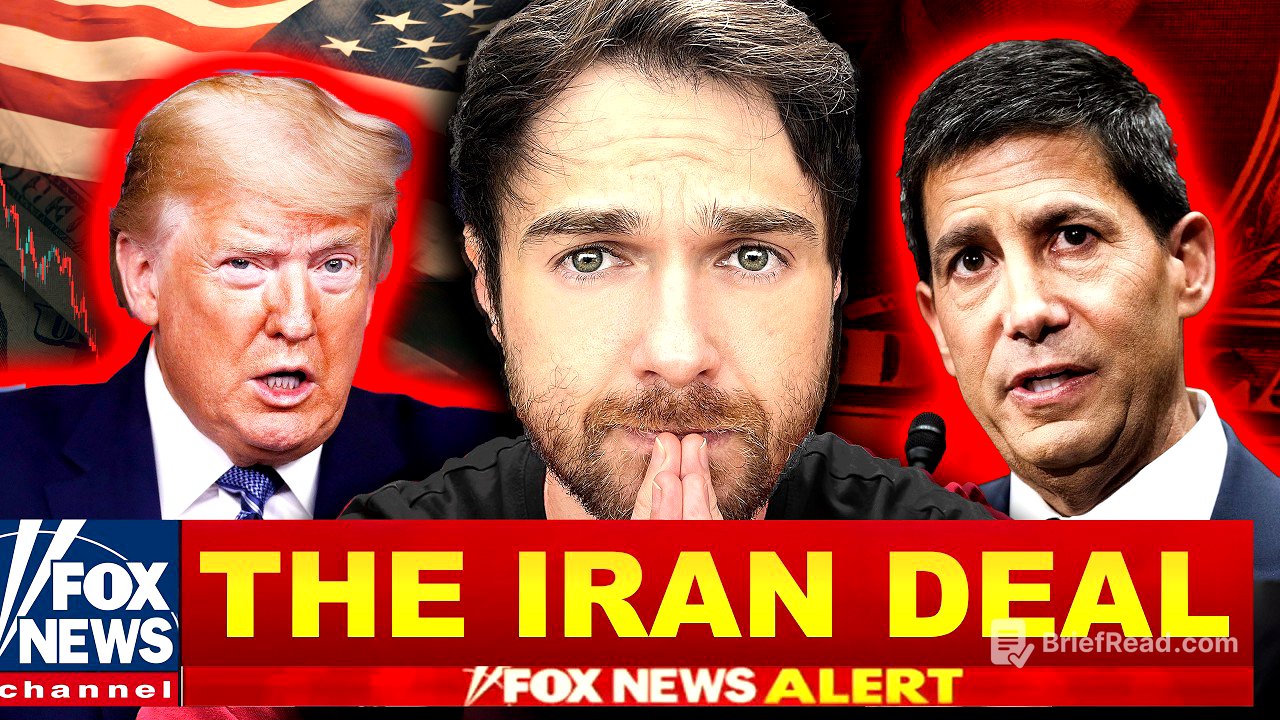
This video discusses an upcoming agreement between the United States and Iran, which could affect the global economy and the stock market. Andrei Jikh outlines key economic events, particularly focusing on the Federal Reserve's upcoming meeting, interest rates, and the impact of geopolitical factors on financial markets.
- Iran and the U.S. have reached an agreement that could catalyze economic changes.
- The Federal Reserve's meeting led by Kevin Walsh is critical for interest rates and market conditions.
- The potential impacts of the Iran conflict on inflation and bond markets are highlighted.
Iran and U.S. Agreement [0:00]
The United States and Iran are poised to sign an agreement that could shift economic dynamics, with a signing scheduled for Friday. However, many details remain unresolved, creating uncertainty about the deal's success. Regardless of this outcome, significant economic changes are expected to commence soon, particularly concerning the Federal Reserve's policies.
Federal Reserve Meeting Importance [0:32]
The upcoming Federal Reserve meeting led by Kevin Walsh is anticipated to be pivotal for interest rates and the economy. The CME Fed Watch tool indicates a high probability (97.4%) that there will be no changes to the federal funds rate. The importance lies not in the decision itself but in Walsh's communication regarding future policy, influencing market sentiment and direction. Gold prices and the potential for a multi-year rally are discussed concerning historical patterns of market behavior.
Kevin Walsh's Economic Plan [2:10]
Kevin Walsh's plan revolves around lowering interest rates, which could stimulate economic growth and benefit Trump heading into the midterms. The strategy involves a delicate balance of controlling short-term rates while allowing long-term rates to rise. A critical facet of this plan includes deregulating banks to allow them to hold more Treasury bonds, vital for stabilizing the bond market and ensuring liquidity.
Impact of Iran Conflict [10:13]
The video highlights how the Iran conflict has raised oil prices and inflation, complicating Walsh's strategy to reduce short-term interest rates. Historical data illustrates the correlation between wartime inflation and interest rates. If interest rates remain high due to inflationary pressures, it undermines Walsh's plans.
Two Paths for Kevin Walsh [14:51]
With the challenging backdrop from the Iran situation, Walsh faces a choice between signaling a loosening of policies or maintaining a hawkish stance. A hint at future rate cuts would likely spur market growth across various assets; conversely, a firm stance on inflation would lead to market declines. The video stresses the significance of Walsh's comments during the meeting and how they could influence future market expectations.
Urgency of the Iran Deal [17:01]
The necessity for an Iran deal is underscored, as it is essential for the U.S. Treasury to refinance a substantial amount of bonds in a climate of increasing interest rates. The strategic petroleum reserve's nearing depletion could further exacerbate inflation, challenging Walsh’s plans and requiring immediate action to stabilize market conditions.
Geopolitical and Market Implications [18:29]
The video explains how Iran’s strategic maneuvers could impact U.S. interest rates and bond markets. The pressure on U.S. markets is heightened by global trends, including China's competitive tech spending juxtaposed against U.S. IPOs. The combination of geopolitical factors is creating uncertainty, leading to potential adverse effects on U.S. financial stability.
Key Indicators to Watch [19:40]
On the day of the Fed meeting, several key indicators will be monitored, including Walsh's discourse on inflation, potential statements regarding the bond market, and the strength of the dollar. Each of these factors will play a significant role in assessing the health of financial markets and guiding investment decisions moving forward.
Investment Strategy and Market Cycles [21:50]
Lastly, the discussion underscores the concept of market cycles, emphasizing the ongoing super cycle of real assets versus financial assets. Jikh points out that now may not be the right time for reactive investment decisions in gold and silver; patience and strategic planning based on upcoming market signals are essential for future capitalizing on shifts in asset dynamics.