TLDR;
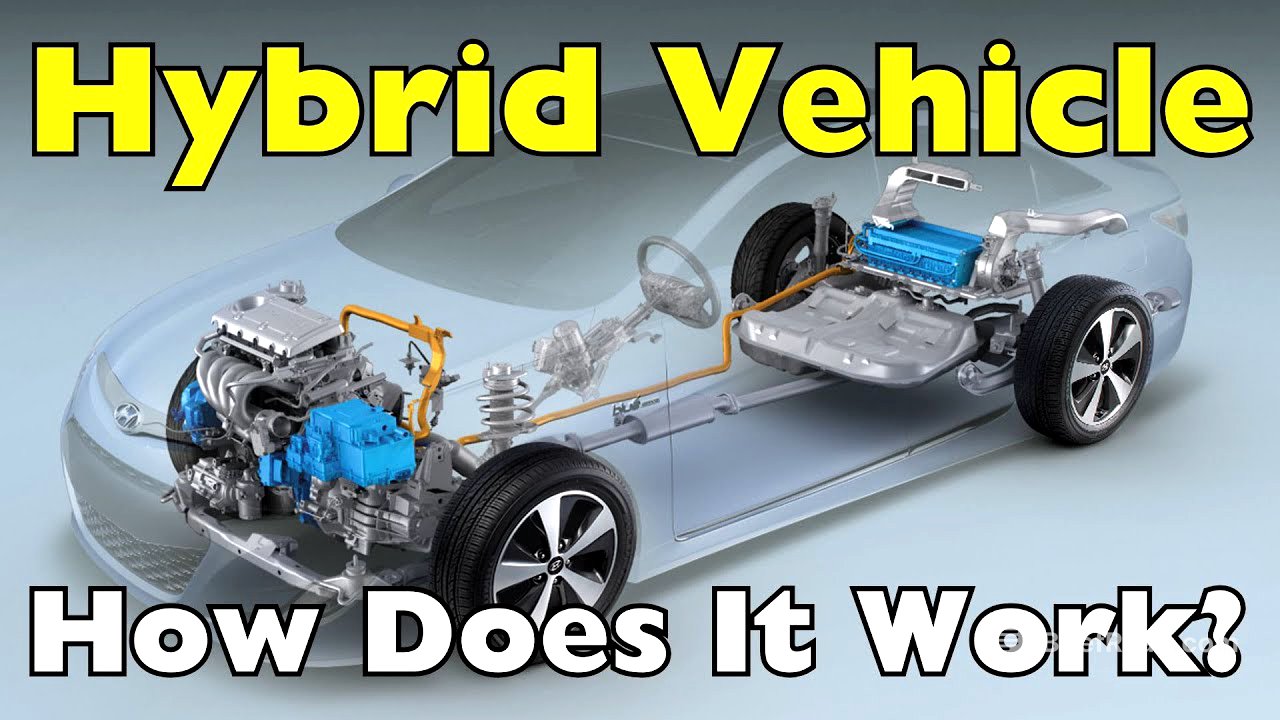
This video explains how hybrid vehicles work, detailing their combination of internal combustion engines and electric motors for improved fuel efficiency and reduced emissions. It covers the different types of hybrid systems—parallel, series, and plug-in—and how they function, emphasizing the role of regenerative braking and battery technology. The video also addresses the cost, benefits, and common misconceptions about hybrids, highlighting their potential for long-term savings and environmental advantages.
- Hybrid vehicles combine gasoline engines and electric motors for better fuel economy.
- There are three main types of hybrid systems: parallel, series, and plug-in.
- Regenerative braking captures energy during braking and stores it in the battery.
Introduction [0:00]
The video introduces the topic of hybrid vehicles, prompted by a viewer's question about how these cars seamlessly switch between electricity and gasoline to maximize efficiency. It frames hybrid vehicles as offering the best of both worlds, providing fuel savings and reduced emissions while maintaining convenience. The video promises to break down the workings of hybrid cars.
What Is a Hybrid Vehicle? [0:48]
A hybrid vehicle combines an internal combustion engine with an electric motor. Unlike traditional cars that rely solely on gasoline, hybrids use both electricity and fuel to operate. The primary benefit of this combination is improved fuel economy and lower emissions compared to regular gas-powered cars.
How Do Hybrid Vehicles Function? [1:14]
The way hybrid cars function depends on their specific hybrid system. There are three main types: parallel hybrids, series hybrids, and plug-in hybrids. Each type operates differently but shares the common goal of maximizing efficiency.
Parallel Hybrids Explained [1:31]
Parallel hybrids, the most common type, include models like the Toyota Prius and Honda Insight. In these vehicles, both the gasoline engine and the electric motor connect to the transmission, allowing them to work together or separately to power the wheels. At low speeds, the car can run purely on electricity, using energy stored in the battery. When accelerating or needing more power, the gasoline engine engages, either assisting the electric motor or taking over entirely. This transition and regenerative braking enhance fuel efficiency. Regenerative braking captures energy when braking and stores it in the battery.
Series Hybrids: How They Work [2:22]
Series hybrids, such as the BMW i3 with a range extender, function differently from parallel hybrids. In a series hybrid, the gasoline engine does not directly power the wheels. Instead, it acts as a generator, producing electricity to charge the battery or supply power to the electric motor, which then drives the wheels. This design allows the car to operate more like an electric vehicle, primarily using the gasoline engine only when the battery requires additional charge, resulting in a quieter and smoother driving experience, especially in city traffic.
Plug-In Hybrids (PHEVs) Overview [3:00]
Plug-in hybrids (PHEVs) have a larger battery that can be charged from an external power source, similar to fully electric vehicles. Due to their increased battery capacity, PHEVs can travel longer distances on electricity alone before switching to gasoline. Examples include the Mitsubishi Outlander PHEV and the Toyota RAV4 Prime. Regular charging can minimize gasoline use for short commutes, making PHEVs a good option for eco-conscious drivers.
The Role of the Battery & Regenerative Braking [3:35]
A crucial component of any hybrid car is the battery. Unlike traditional cars with a standard 12-volt battery, hybrids use a larger, high-voltage battery pack, typically made from lithium-ion or nickel-metal hydride. This battery stores and provides power to the electric motor and is charged in real-time through regenerative braking. Regenerative braking captures the kinetic energy from braking, converting it into electricity and storing it in the battery for later use, increasing efficiency and extending the vehicle's electric driving range.
How Hybrid Vehicles Switch Power Sources [4:29]
Modern hybrid systems seamlessly switch between electric and gasoline power sources. The transition from electric to gasoline power is designed to be as smooth as possible. Sophisticated computer systems constantly monitor speed, battery charge, and driving conditions to determine the most efficient power source at any given moment.
Fuel Efficiency & Environmental Benefits [5:02]
The primary advantage of hybrid vehicles is their fuel efficiency. By combining electric power with gasoline, hybrids consume less fuel than traditional cars, saving drivers money. This also results in fewer greenhouse gas emissions, reducing their environmental impact. While hybrids still use fuel, they do so more efficiently, making them a good middle ground between conventional cars and full electric vehicles.
Cost & Long-Term Benefits of Hybrids [5:32]
Hybrids often have a higher initial cost than gasoline-only cars due to the additional technology and battery systems. However, many governments offer incentives and tax breaks for hybrid and electric vehicle buyers, offsetting the initial cost. Better fuel economy and fewer trips to the gas station allow drivers to recoup some of the extra expense over time. Additionally, hybrids typically require less maintenance, as the electric motor shares the workload with the engine, reducing wear and tear and resulting in longer lifespans for components like brake pads and transmissions.
Common Misconceptions About Hybrids [6:22]
Despite their increasing popularity, some misconceptions about hybrids persist. Some people assume hybrids are slow, but modern hybrid models can be surprisingly quick. The instant torque from the electric motor provides strong acceleration, and some hybrid sports cars demonstrate that hybrids can be both fuel-efficient and high-performance.
The Future of Hybrid Technology [6:48]
As technology continues to improve, hybrid vehicles are becoming even more efficient and accessible. Many automakers are developing new hybrid models with better battery life, increased electric range, and improved regenerative braking. Advancements in solid-state battery technology may lead to hybrids with even greater performance and longer lifespans. Hybrid technology is also expanding beyond cars to buses, trucks, and even boats, helping reduce fuel consumption across different industries.
Conclusion [7:28]
The video concludes by summarizing that hybrid vehicles are a smart blend of efficiency, performance, and sustainability. They offer a practical and innovative solution for those looking to reduce gas costs or drive something better for the planet. The video encourages viewers to share suggestions for future topics in the comments.