TLDR;
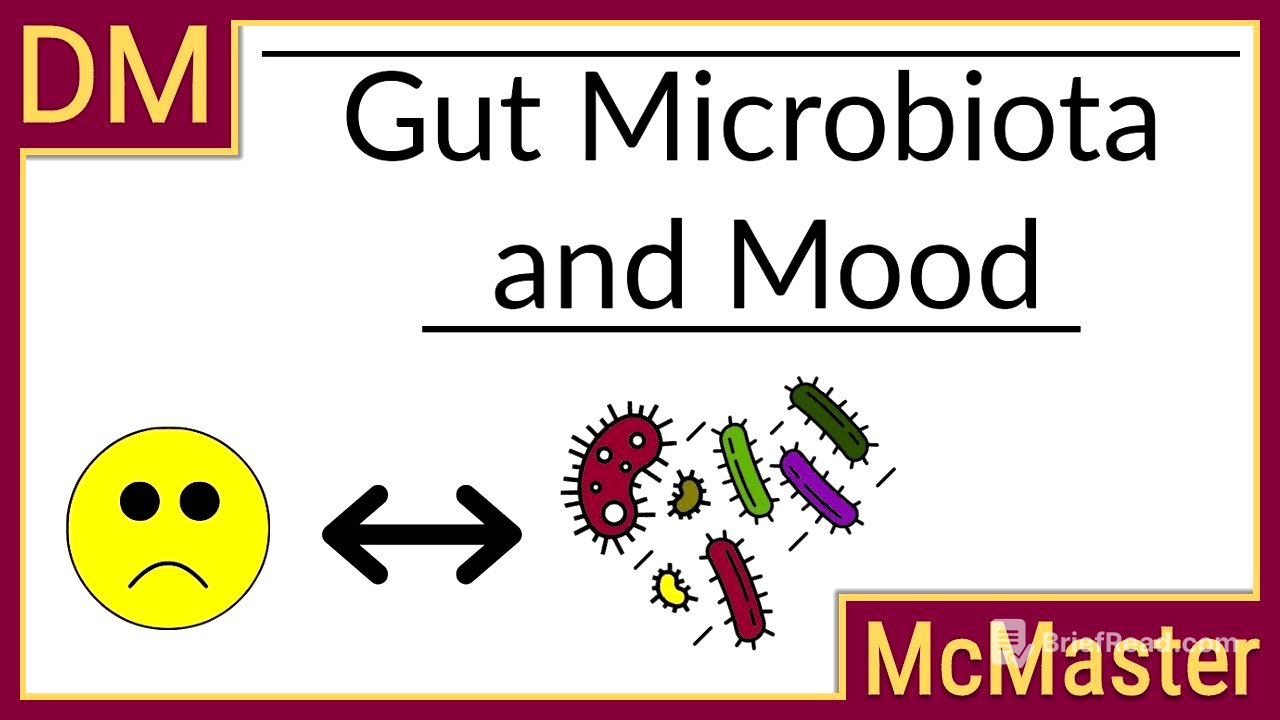
This video from Demystifying Medicine discusses the links between gut microbiota and mood, particularly focusing on Major Depressive Disorder (MDD). Key points include:
- MDD is a significant contributor to global disease burden, often linked to neurotransmitter imbalances and environmental factors.
- Gut bacteria play a crucial role in serotonin production, which affects mood regulation.
- Research indicates that probiotics can positively impact mood in individuals with MDD and even in healthy individuals by reducing negative thoughts associated with sadness.
Introduction to Gut Microbiota and Mood [0:00]
The video begins with an overview of recent studies exploring the relationship between gut microbiota and mood disorders. It introduces Major Depressive Disorder (MDD) as a common mood disorder, outlining its symptoms and the significant global impact of the condition according to the World Health Organization.
Understanding Major Depressive Disorder [0:09]
MDD is characterized by persistent low mood, lack of energy, appetite changes, and insomnia. Researchers attribute depression to a mix of neurotransmitter abnormalities, particularly serotonin, and environmental factors like childhood stress or trauma.
The Role of Gut Microbiota [0:57]
The gut contains nearly 10^14 microorganisms that are vital for health, affecting digestion, immune function, and vitamin synthesis. Imbalances in gut bacteria have been linked to various diseases. Recent studies suggest gut microbiota significantly influence our overall well-being.
Connection Between Gut Bacteria and Serotonin [1:43]
Serotonin, a vital neurotransmitter found primarily in the gut, regulates mood, sleep, appetite, and emotional stability. Certain gut bacteria not only produce serotonin but also stimulate its release, connecting gut health to mood improvement and relaxation through the vagus nerve.
Study Findings on Gut Microbiota in MDD Patients [2:55]
In research, fecal samples from MDD patients showed decreased levels of serotonin-producing bacteria like Bifidobacterium and Lactobacillus. This reduction is associated with dysregulated serotonin levels, highlighting the potential link between gut health and mood regulation.
Probiotics and Mood Improvement [3:48]
A randomized placebo-controlled trial revealed that MDD patients who took probiotics for eight weeks experienced significant reductions in depression scores compared to a placebo group. This indicates that probiotic supplementation may improve mood in those with MDD.
Probiotics' Effect on Healthy Individuals [4:24]
A separate study involving healthy individuals showed that those consuming probiotic supplements exhibited reduced cognitive reactivity to sad mood, suggesting that probiotics can help manage negative thoughts related to mood shifts.
Limitations of Current Research [5:00]
The video notes several limitations in the current literature on gut microbiota and mood, including a lack of definitive answers on how diet impacts gut health, small sample sizes in studies, and potential biases based on participant demographics. The relationship between gut bacteria and serotonin may also be bidirectional.
Future of Probiotics in Mood Regulation [6:16]
The potential benefits of understanding the gut-mood connection are significant, as demonstrated by a study where pregnant women taking Lactobacillus rhamnosus reported lower depression-like symptoms after childbirth. This suggests that probiotics may play a future role in mood regulation.