TLDR;
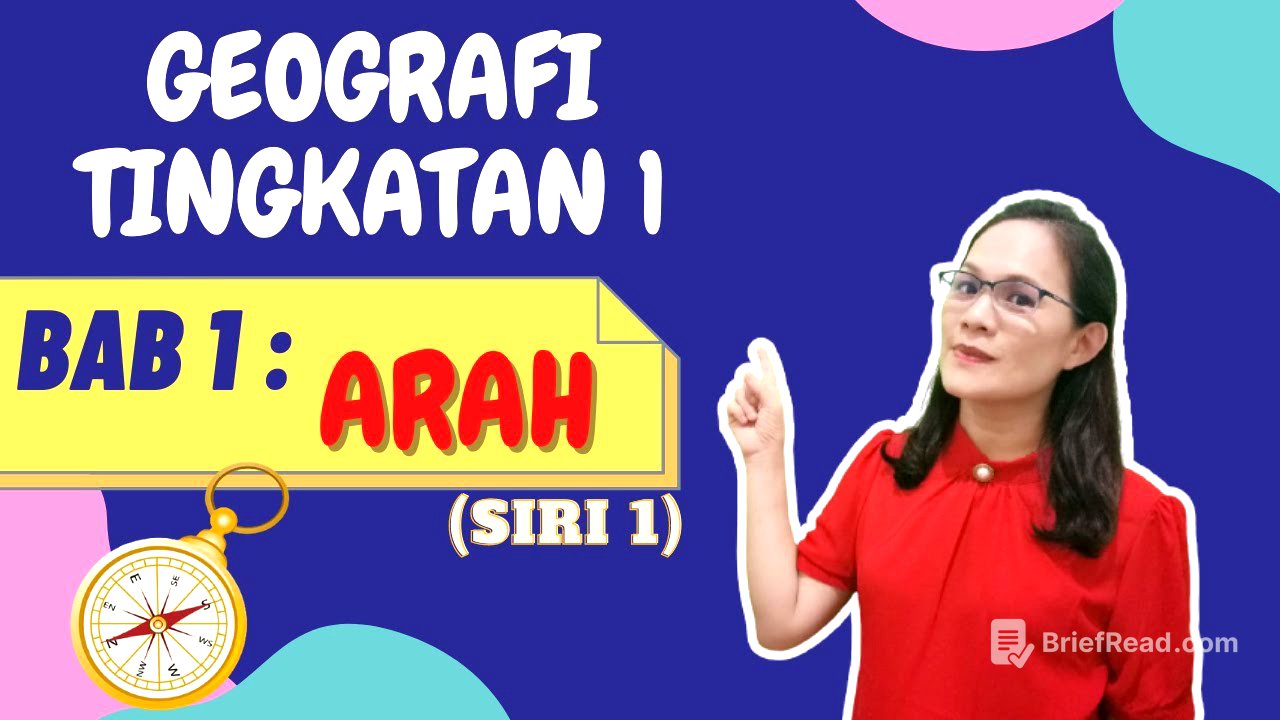
This video serves as a tutorial on learning the cardinal and intercardinal directions in geography for first-year students. It outlines key objectives, including recognizing the eight cardinal directions and using the sun and a compass as tools to determine direction.
- Introduction to basic directions
- Importance of understanding cardinal and intercardinal directions
- Methods for determining direction using a compass and the sun
- Practice questions and tips for students
Introduction [0:00]
The video begins with a greeting and an introduction to the channel and the tutorial topic, which focuses on geography for first-year students. It encourages viewers to subscribe for notifications on upcoming educational content.
Objectives of Learning [0:35]
The learning objectives are stated clearly. By the end of the lesson, students should be able to identify the eight cardinal directions, use the sun as a guide for direction, and utilize a compass effectively.
Cardinal Directions [1:01]
The chapter explains the primary cardinal directions: north, south, east, and west, and highlights their significance. It discusses the location of the sun at different times of day, establishing east as the direction where the sun rises and west as where it sets.
Intercardinal Directions [2:12]
This section covers the intercardinal directions, which are found between the primary directions. The eight cardinal points include northeast, southeast, southwest, and northwest. This understanding is crucial for navigation and orientation.
Practice Questions [4:04]
Students are encouraged to test their knowledge of cardinal and intercardinal directions through practice questions that are provided in the video description. This helps reinforce their understanding.
Using the Sun to Determine Directions [4:50]
This chapter details how to determine direction using the sun. Students learn to face east in the morning and understand the concept of using their hands to identify the main directions based on the sun's position.
Using a Compass [9:40]
The video introduces how to use a compass to find direction. It explains the components of a compass, how the needle points north due to Earth's magnetic field, and the proper technique for orienting the compass to accurately determine the direction of specified objects, such as their homes.
Conclusion and Further Practice [14:32]
In the conclusion, viewers are encouraged to answer additional practice questions linked in the video description to solidify their learning. The instructor emphasizes the importance of mastering this content for future geography lessons and invites viewers to subscribe for more educational videos.