TLDR;
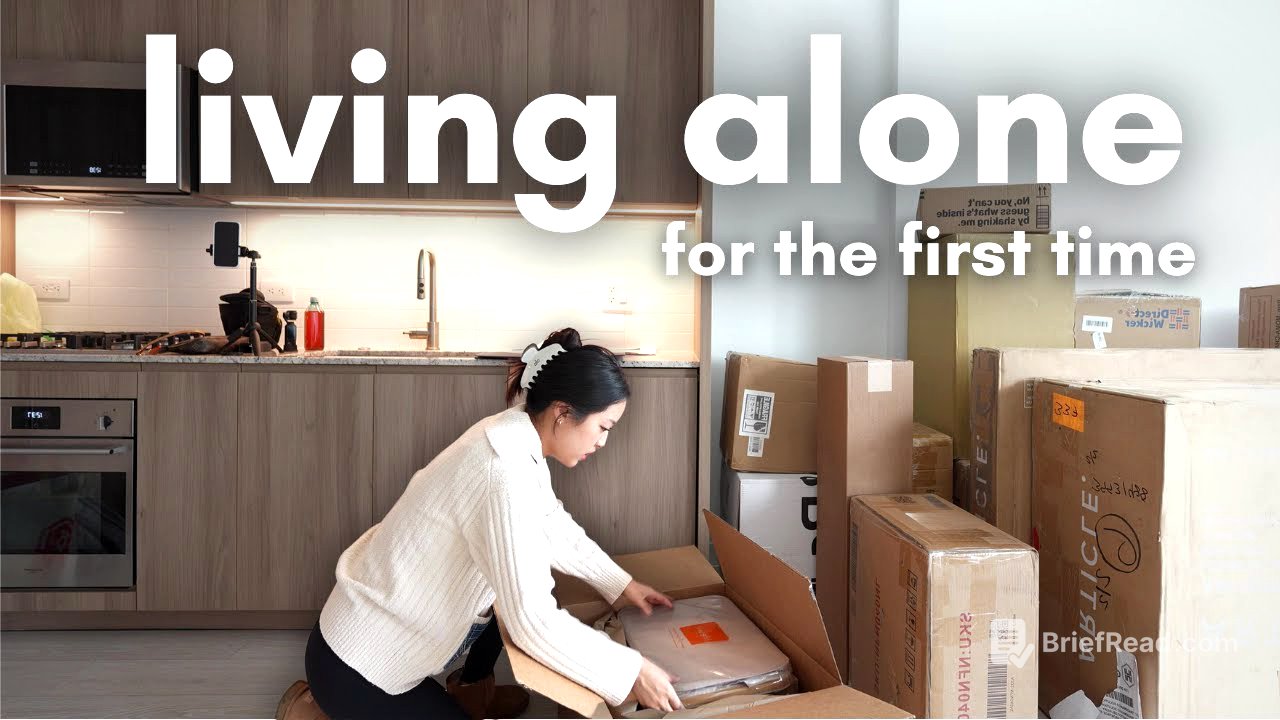
After living with her parents and grandmothers for 24 years, Allison moves into her first apartment at age 24. She shares eight lessons from the experience: dream boldly but plan realistically, create a detailed budget, prepare for family emotions, search for an apartment thoughtfully, act when the right opportunity appears, furnish modestly, and allow yourself to grieve the end of a familiar chapter.
- Moving out took several years of saving and working toward financial independence.
- Leaving home was not about rejecting her family; it was a step toward pursuing her own goals.
- Excitement, stress, uncertainty, and sadness can all be part of moving into your first home.
Dream Big, Then Set Realistic Expectations [1:12]
Allison begins by explaining that she felt embarrassed about living at home in her 20s, despite valuing the safety and support it gave her. She had long dreamed of moving out and imagined living in a luxury high-rise in downtown Chicago, even when she had just graduated, had no job, and had little money. She says it helps to believe in your goals and picture what you want, but ambition must be matched with a realistic view of your circumstances. When she first told her mother she wanted to move out, her mother pointed out that Allison had a $15,000 salary and a YouTube career that was only beginning. Allison spent the next few years working at the family business, teaching classes, and building her channel, while postponing her move until she could afford it.
Make a Detailed Budget Before You Move [4:35]
Planning a move means figuring out the full cost of living independently, not just the rent. Allison recommends considering apartment prices, roommates, parking, transportation, furniture, insurance, and whether your income meets the landlord’s requirements—often three times the monthly rent. Her first estimates felt intimidating, and she worried about moving only to live paycheck to paycheck. She advises creating a realistic budget early, with both monthly and yearly costs, so you can set an income goal and prepare for expenses before touring apartments. A budget can help prevent financial surprises and leave room to furnish the home; understanding where your money goes is an essential part of adult independence.
Understand the Emotional Impact of Leaving Home [6:48]
Parents, particularly in immigrant or strict households, may question why their children want to pay rent and leave a comfortable family home. Allison says these objections can come from concern and a different view of what makes sense, rather than a lack of love or support. The disagreement can create conflict as young adults protect their independence while parents try to protect them. Four days before her move, Allison became seriously ill with the flu, and her parents cared for her by checking her temperature, bringing food and water, and helping her feel better. The experience reminded her that moving out was not an attempt to escape her family; she was using the support they had given her to pursue her dream, and she left with gratitude rather than resentment.
Tour Apartments With Clear Priorities [10:01]
Before apartment hunting, decide what matters most: the number of bedrooms, neighborhood, in-unit laundry, pet policies, and whether the home needs to be furnished. Allison suggests beginning with location and then narrowing choices according to your rent budget. Since few apartments will meet every preference, identify your non-negotiables, research the strongest options, and avoid settling for serious problems such as mold or cockroaches just because the rent is low. A leasing agent or broker can arrange tours and share knowledge about different areas. During tours, take plenty of photos and videos from different angles, ask questions, and record enough information to compare units later. If your schedule allows, consider a winter move, when slower rental demand may bring lower prices or other concessions.
Take the Right Apartment Opportunity [11:58]
Allison’s dream apartment had the features she wanted, excellent amenities, and rent below the market rate. The lower price was available only if she applied right away and began the lease a few weeks later, so she had to decide before she felt fully prepared. Her leasing agent warned that other clients had lost their top choices by waiting. Allison trusted her instincts, applied that day, and signed the lease a few days later. She sees the decision as a test of independence: moving out requires initiative, and the right opportunity may not wait until you feel ready. Signing promptly also stopped her from overthinking and backing out.
Furnish Your First Apartment on a Budget [13:41]
Allison advises new renters not to spend too much on their first apartment, since they may move again within a year and their next home may not suit the same furniture. Styles can change, and early purchases may become worn or no longer fit your taste. She recommends returning to the furniture budget and buying only what you can afford. If you choose to spend more on certain things, prioritize daily-use items such as a good mattress, linens, and dishes. She also suggests collecting practical supplies—like bowls, towels, and household basics—well before moving day to spread out the initial costs and build excitement.
Make Room for Grief and a New Routine [14:40]
After years of working toward her apartment, Allison still felt guilt and sadness when she finally moved out. Leaving meant the end of an era, and she worried about living alone, her grandmother missing her, and her parents feeling lonely. She explains that sadness after a major change can be grief, even when the change is wanted and earned. Those feelings may come and go as you adjust; they do not prove you made the wrong choice. Over time, a new routine can make living alone feel normal. Allison’s first night was difficult: she slept poorly, noticed every sound, and was woken by a train, but she recognized that adjusting to a new city home would take time.
Moving Out as an Act of Self-Respect [16:46]
Allison describes moving out as one of the hardest things she has done, largely because it was the first time she made a major choice for herself despite other people’s expectations. She says honoring her own needs felt frightening, but it was what she needed. She dedicates the move to her parents and family, who supported and encouraged her even when they disagreed. She hopes her experience gives others who feel lost or financially unprepared practical tools and encouragement to pursue their goals, and she expresses gratitude to viewers whose support helped make her apartment possible.