TLDR;
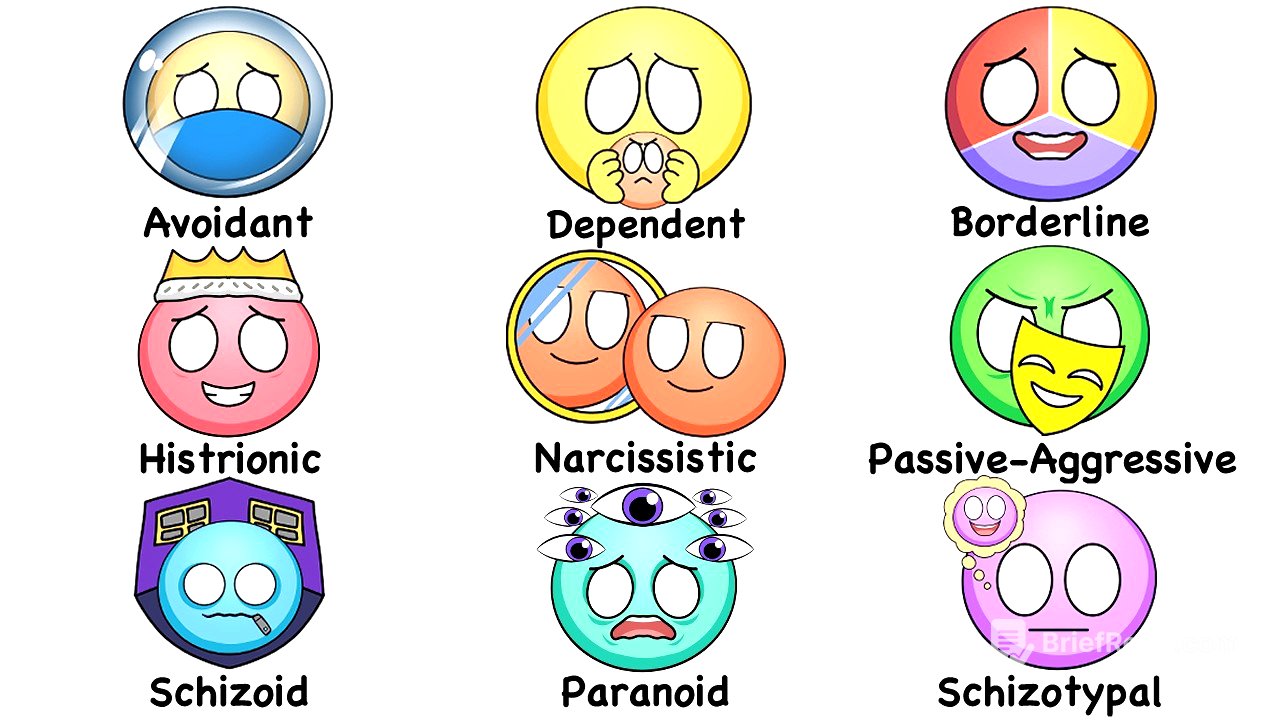
This video provides an overview of various personality disorders, explaining their characteristics and how they manifest in everyday life. It covers paranoid, schizoid, borderline, schizotypal, antisocial, histrionic, narcissistic, avoidant, dependent, obsessive-compulsive, passive-aggressive, sadistic, and self-defeating personality disorders.
- Paranoid personality disorder involves extreme distrust and suspicion of others.
- Schizoid personality disorder is characterized by a preference for solitude and a lack of interest in social relationships.
- Borderline personality disorder involves intense emotional instability and turbulent relationships.
- Schizotypal personality disorder includes odd behavior, peculiar thinking, and discomfort in social situations.
- Antisocial personality disorder is marked by disregard for rules and the rights of others.
- Histrionic personality disorder involves excessive emotionality and attention-seeking behavior.
- Narcissistic personality disorder is characterized by grandiosity, a need for admiration, and a lack of empathy.
- Avoidant personality disorder involves extreme shyness and fear of rejection.
- Dependent personality disorder is characterized by a need to be taken care of and fear of being alone.
- Obsessive-compulsive personality disorder involves a preoccupation with orderliness, perfectionism, and control.
- Passive-aggressive personality disorder is characterized by indirect resistance to requests or demands.
- Sadistic personality disorder involves deriving pleasure from inflicting pain or suffering on others.
- Self-defeating personality disorder is characterized by a pattern of undermining one's own goals and well-being.
Paranoid Personality Disorder (PPD) [0:00]
Paranoid Personality Disorder (PPD) is characterized by a pervasive distrust of others and a constant suspicion that they have ulterior motives. Individuals with PPD often interpret innocent actions as malevolent and are always on guard, expecting betrayal. This constant state of alert can be exhausting, making it difficult for them to form trusting relationships. Treatment is challenging, as these individuals struggle to trust therapists, but with patience and support, they can learn to manage their suspicions.
Schizoid Personality Disorder (SPD) [1:26]
Schizoid Personality Disorder (SPD) is marked by a preference for solitude and a lack of interest in social relationships. People with SPD are not typically hostile but genuinely prefer a quiet, solitary life. They do not experience pleasure from social interactions and may appear emotionally bland or detached. Engaging in conversations with them can feel one-sided, as they show little interest or emotional response. They are often content with their isolation and do not feel the need for social connections.
Borderline Personality Disorder (BPD) [2:45]
Borderline Personality Disorder (BPD) involves intense emotional instability, leading to rapid mood swings and turbulent relationships. Individuals with BPD experience emotions in a highly amplified manner, feeling extreme happiness one moment and overwhelming sadness or anger the next. They have a heightened sensitivity to perceived abandonment, making relationships feel like intense soap operas. Impulsivity is also a common trait, leading to rash decisions and behaviors.
Schizotypal Personality Disorder (STPD) [4:13]
Schizotypal Personality Disorder (STPD) is characterized by odd behavior, peculiar thinking, and discomfort in social situations. People with STPD struggle to connect with others, often feeling like they are behind an invisible barrier. Their interactions may seem awkward or unusual, and their emotional expressions may not match their feelings. They might appear distant or detached, even though they experience emotions as deeply as others. STPD is believed to have a genetic link to schizophrenia.
Antisocial Personality Disorder (ASPD) [5:25]
Antisocial Personality Disorder (ASPD) is marked by a disregard for societal rules and the rights of others. Individuals with ASPD often lie, cheat, and manipulate others for personal gain, lacking empathy or remorse. They may engage in risky or illegal behaviors without considering the consequences. While not all individuals with ASPD are violent criminals, they are often willing to exploit others to get ahead.
Histrionic Personality Disorder (HPD) [6:45]
Histrionic Personality Disorder (HPD) involves excessive emotionality and attention-seeking behavior. People with HPD crave compliments and love to be the center of attention, often behaving dramatically or inappropriately to achieve this. They may exaggerate their emotions and stories to impress others, but underneath their grand gestures lies a fear of being ignored or forgotten. The cause of HPD may be linked to childhood experiences of either excessive attention or a lack of affection.
Narcissistic Personality Disorder (NPD) [8:05]
Narcissistic Personality Disorder (NPD) is characterized by grandiosity, a need for admiration, and a lack of empathy. Individuals with NPD often see themselves as superior to others and seek constant praise and attention. Underneath their overconfidence, they often harbor deep insecurities and are afraid of being exposed as vulnerable. Maintaining relationships with someone who has NPD can be challenging due to their constant need for praise and lack of empathy.
Avoidant Personality Disorder (AvPD) [9:37]
Avoidant Personality Disorder (AvPD) involves extreme shyness and fear of rejection, leading individuals to avoid social situations. People with AvPD are highly sensitive to criticism and worry constantly about being judged or ridiculed. They long for connection but are held back by their intense fear of rejection, often isolating themselves to avoid potential hurt.
Dependent Personality Disorder (DPD) [10:59]
Dependent Personality Disorder (DPD) is characterized by a need to be taken care of and a fear of being alone. Individuals with DPD rely heavily on others to make decisions and seek constant guidance and approval. They are terrified of being wrong and losing the support of others, leading them to cling to relationships, even unhealthy ones. This dependency often stems from childhood experiences where independence was discouraged.
Obsessive Compulsive Personality Disorder (OCPD) [12:07]
Obsessive-Compulsive Personality Disorder (OCPD) involves a preoccupation with orderliness, perfectionism, and control. People with OCPD are detail-oriented to an extreme, insisting on doing things their way and becoming upset when things are not perfect. They equate orderliness with safety and success, viewing clutter and imperfection as threats to their well-being. While they may appear rigid or overly serious, their behavior stems from a deep-seated need for control and perfection.
Passive Aggressive Personality Disorder (PAPD) [13:21]
Passive-Aggressive Personality Disorder (PAPD) is characterized by indirect resistance to requests or demands, often expressed through procrastination, stubbornness, and subtle acts of sabotage. Individuals with PAPD struggle with expressing their anger directly, instead resorting to passive-aggressive behaviors to undermine others. They may give compliments that are actually insults and deny being upset even when their behavior indicates otherwise.
Sadistic Personality Disorder [15:01]
Sadistic Personality Disorder involves deriving pleasure from inflicting pain or suffering on others. People with this disorder lack empathy and may insult, taunt, or embarrass others in public. They enjoy stirring up conflict and watching the drama unfold. If given authority, they may abuse it to dominate and control others. Underneath their cruelty, they often feel powerless in their own lives and compensate by trying to control those around them.
Self-Defeating Personality Disorder [16:34]
Self-Defeating Personality Disorder is characterized by a pattern of undermining one's own goals and well-being. Individuals with this disorder may reject opportunities for happiness and success, instead gravitating towards situations that lead to disappointment and suffering. They may be drawn to partners who are emotionally unavailable or abusive, and avoid situations that could improve their lives because they feel undeserving of good things. This behavior often stems from a history of conditional love and a belief that they must earn affection through suffering.