TLDR;
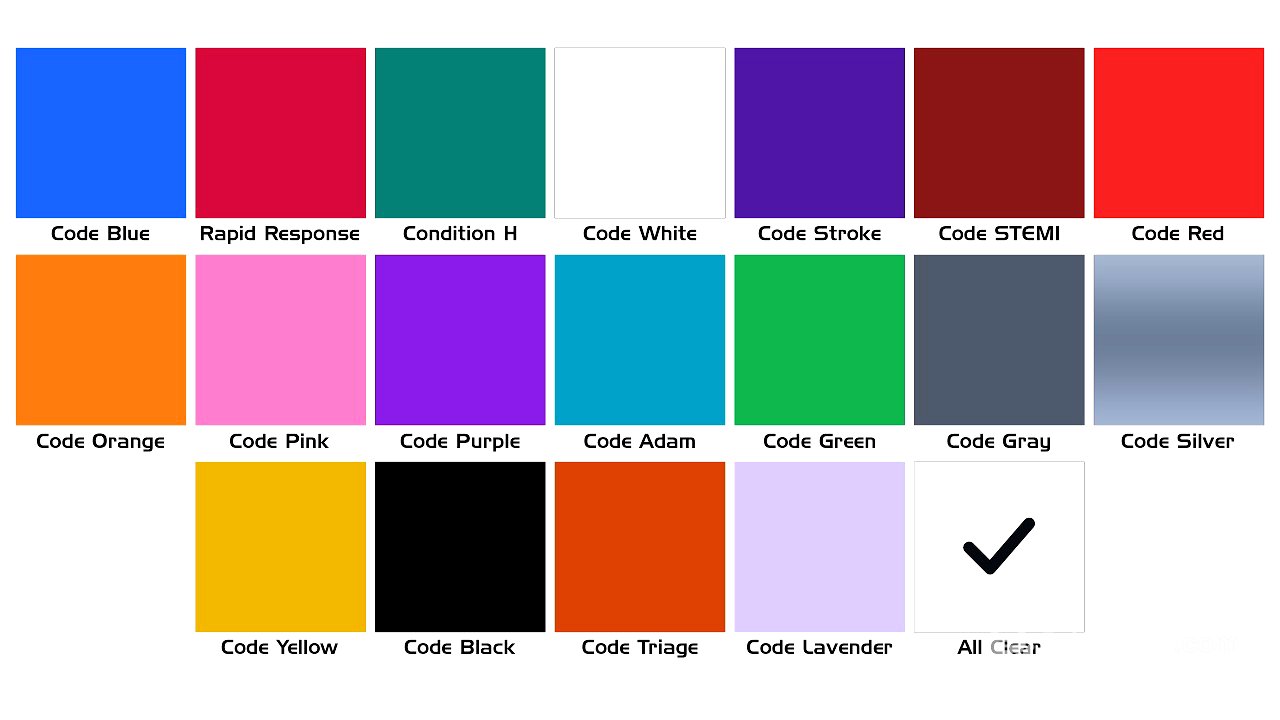
This video explains various hospital codes used in emergency situations, detailing what each code signifies and their implications for patient care. The codes typically follow a color system, but variations exist from hospital to hospital.
- Code Blue: Indicates a patient has stopped breathing or their heart has stopped.
- Code Red: Refers to fire emergencies within the hospital.
Code Blue [0:00]
Code Blue is the most recognized medical alert, indicating that a patient has either stopped breathing or their heart has stopped beating. This results in an immediate overhead page, prompting a team of medical professionals, including physicians, nurses, and respiratory therapists, to respond. The term originates from the blue coloration of oxygen-deprived skin. Unfortunately, only about 25% of adults who experience a cardiac arrest in a hospital survive to return home.
Rapid Response [0:45]
Rapid Response is designed to prevent Code Blues by calling a specialized team when a patient shows warning signs of deterioration, such as falling blood pressure or rising confusion. Initially developed in Australia during the early 1990s, this program allows any concerned nurse to summon a rapid response team that typically includes a critical care nurse, a respiratory therapist, and a physician to assess the patient quickly.
Condition H [1:23]
Condition H empowers patients and their families to call for help when a loved one's condition is worsening and they cannot gain attention from medical staff. This initiative was inspired by the tragic case of Josie King in 2001, whose signs of dehydration were overlooked despite her mother's concerns. Condition H was first implemented in a Pittsburgh hospital in 2005, allowing families to directly call for assistance.
Code White [2:03]
Code White indicates a pediatric medical emergency, specifically for children. It is necessary because children require different medical equipment and drug dosages based on their weight. Many hospitals have color-coded pediatric carts to ensure teams can respond quickly and accurately. However, the term Code White can also refer to different situations, including violent incidents in some institutions.
Code Stroke [2:46]
Code Stroke is focused on time-critical response for patients exhibiting stroke symptoms. The mobilization of a neurologist, scanning equipment, and pharmacy is required immediately, as delays can lead to irreversible brain damage. The phrase "time is brain" encapsulates the urgency of treatment, with studies showing that approximately 1.9 million neurons are lost for every minute a stroke goes untreated.
Code STEMI [3:22]
Code STEMI refers to the immediate response necessary for treating the most dangerous type of heart attack caused by a completely blocked artery. The code enables emergency physicians to activate the catheterization lab directly from a patient's heart tracing. This approach has drastically reduced the time from diagnosis to treatment, making it more efficient.
Code Red [3:58]
Code Red signifies a fire emergency within the hospital. Staff members follow a specific protocol using the acronym RACE: Rescue, Alarm, Contain, and Extinguish. Due to the vulnerability of patients in hospitals, evacuation is treated as a last resort, with strategies in place to contain fires and ensure patient safety.
Code Orange [4:37]
Code Orange denotes a hazardous material spill or release, which may include chemical spills or contaminated patients arriving after an incident. This code initiates a decontamination process to prevent contamination spreading to emergency departments, and staff are trained to work in protective clothing until the area is secured.
Code Pink [5:18]
Code Pink is activated in cases of infant abduction. When called, hospital staff work quickly to secure all exits and monitor individuals carrying bags large enough to conceal a baby. Advances in electronic tagging in maternity units have significantly decreased abduction rates.
Code Purple [5:55]
Code Purple is related to older children who are missing or abducted within the hospital setting. The protocol differs from Code Pink due to the potential for an older child to walk or hide. Code Purple is less standardized, with the meaning varying by hospital, sometimes indicating other serious situations like a bomb threat or a hostage scenario.
Code Adam [6:37]
Code Adam is a protocol for a missing child, originally created by Walmart and named after Adam Walsh. It involves staff identifying the child and monitoring exits closely. If the child is not found quickly, law enforcement is involved. Hospitals adopt this code in conjunction with Code Purple for missing children.
Code Green [7:16]
Code Green is called when a patient leaves the hospital without permission, posing potential risks to themselves. Similar to abduction codes, this protocol focuses on retrieving the individual who may be confused or unstable. The definition of Code Green varies, with some institutions using it for other emergencies like evacuations.
Code Gray [7:51]
Code Gray is activated when a person becomes violent or threatening. Staff and security respond to de-escalate the situation or restrain the individual. Unfortunately, violence against healthcare workers is common, often stemming from patients who are confused or in crisis.
Code Silver [8:34]
Code Silver indicates the presence of a person with a weapon or an active shooter situation. This code was introduced following a tragic incident in 1999 when hospital staff responded to a gunman with a prior code meant for combative individuals, leading to several fatalities.
Code Yellow [9:17]
Code Yellow typically refers to a bomb threat. Staff are instructed to search their immediate areas for suspicious items rather than evacuating, as they are best positioned to identify the presence of unfamiliar objects. However, the meaning of Code Yellow can vary, sometimes indicating other urgent needs.
Code Black [9:57]
In many hospitals, Code Black also refers to a bomb threat, leading to confusion when hospitals use different designations for the same codes. Over time, some facilities have adapted Code Black to signify severe weather or mass casualty events, adding to the inconsistency across institutions.
Code Triage [10:42]
Code Triage indicates a disaster situation, either internally or externally. Internal triage may relate to power failures or floods, while external triage involves responding to an influx of patients due to external disasters. Hospitals prepare for these situations by adjusting staffing and resources accordingly.
Code Lavender [11:21]
Code Lavender is the only code focused on the emotional health of staff, initiated at the Cleveland Clinic. It offers support following traumatic events such as patient death or violence. The program is named for the calming properties of the lavender plant and provides a means for addressing staff well-being.
All Clear [12:00]
The All Clear announcement signifies an end to all other codes. While hospital color codes were designed to minimize alarm for patients and visitors, this practice has led to confusion and inconsistency between facilities. Many health associations are now advocating for clear communication of emergencies using plain language instead of color codes.