TLDR;
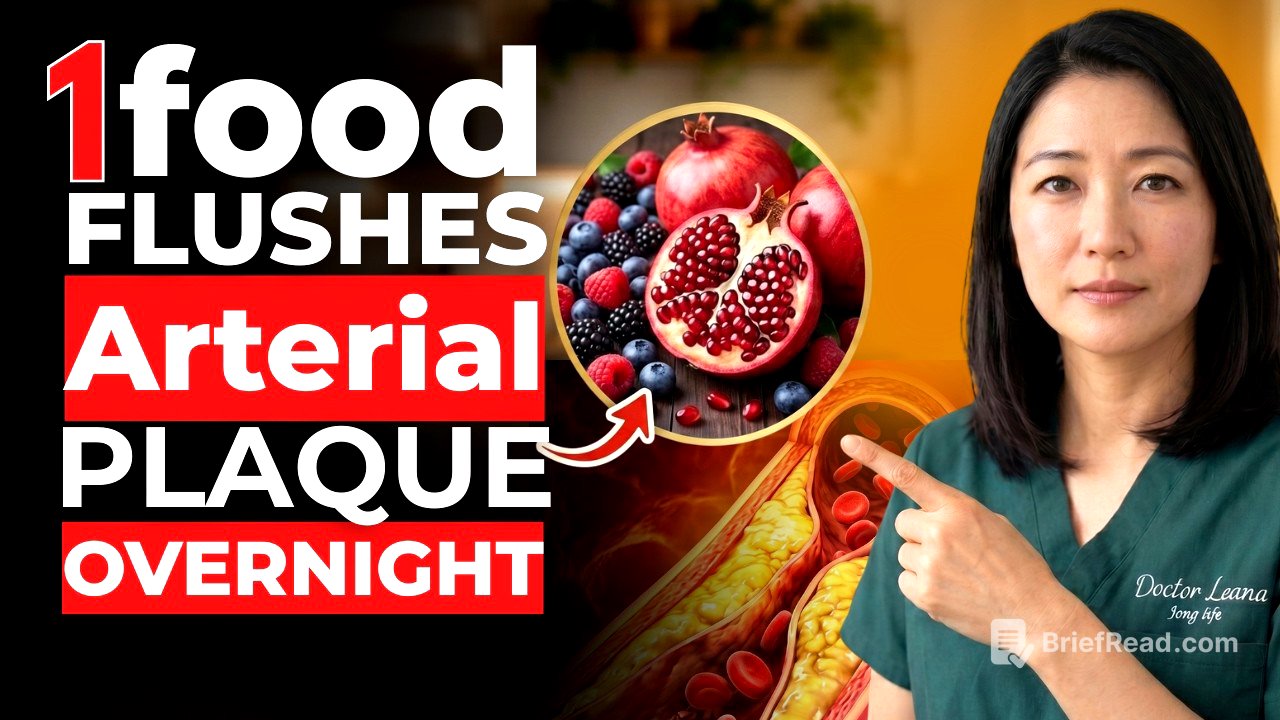
This video by Dr. Leana explains the misconception that dietary cholesterol is the primary cause of arterial plaque buildup. Instead, inflammation is highlighted as the main culprit. Dr. Leana introduces ten powerful foods that can help reverse arterial plaque, emphasizing their specific mechanisms at the cellular level. Each food serves to either repair the endothelial lining, reduce inflammation, or reverse existing damage.
- Dietary cholesterol is not the cause of arterial plaque; inflammation is.
- The focus should be on including specific foods that promote arterial health.
Introduction to Arterial Health [0:00]
Dr. Leana starts by stating that the common belief linking cholesterol in food to arterial plaque is misleading. Instead, plaque builds up due to damage and chronic inflammation in the artery lining. She presents that effective methods for reversing arterial plaque do not rely on medications like statins but rather on dietary changes, specifically adding certain foods that address inflammation and improve arterial health.
The Role of Inflammation [2:20]
The inner lining of arteries, called the endothelium, can become damaged or inflamed, allowing LDL cholesterol to infiltrate the walls, oxidize, and contribute to plaque formation. Dr. Leana critiques the medical focus on managing cholesterol numbers without addressing the core issue of inflammation, emphasizing that understanding how to heal arteries through diet is crucial.
Food #1: Fatty Fish [3:40]
Fatty fish like salmon and sardines are rich in omega-3 fatty acids (EPA and DHA), which are essential for combating inflammation. These fatty acids are incorporated into cell membranes, helping to reduce inflammation and lower triglycerides, which are risk factors for arterial disease. Dr. Leana recommends consuming fatty fish two to three times per week or using high-quality omega-3 supplements if fish consumption is challenging.
Food #2: Extra Virgin Olive Oil [6:33]
Extra virgin olive oil contains oleocanthal, a compound that exhibits anti-inflammatory effects similar to ibuprofen. Dr. Leana highlights that using olive oil daily can continuously deliver anti-inflammatory benefits while also preventing LDL cholesterol oxidation. She recommends two to four tablespoons daily, ensuring it's fresh and of high quality for maximum health benefits.
Food #3: Garlic [8:43]
Raw garlic contains allicin, which inhibits the same enzyme targeted by statin medications, acting as a natural alternative. Allicin not only reduces LDL oxidation but also lowers blood pressure and helps reduce calcified plaque. Dr. Leana advises crushing or chopping garlic and allowing it to sit before cooking to maximize its health benefits.
Food #4: Pomegranate [10:45]
Pomegranate is rich in punicalagins, powerful antioxidants that combat oxidative stress, which contributes to plaque formation. Dr. Leana cites studies demonstrating that regular consumption of pomegranate juice can lead to a measurable reduction in arterial plaque. She recommends drinking half a cup of pure pomegranate juice daily or consuming the seeds.
Food #5: Leafy Greens [12:45]
Leafy greens such as spinach and kale contain dietary nitrates, which convert to nitric oxide in the body, a crucial factor for arterial dilation and flexibility. Regular consumption of leafy greens is linked to lower blood pressure and improved arterial function. Dr. Leana suggests eating one to two cups of raw leafy greens daily or incorporating them into meals.
Food #6: Walnuts [14:55]
Walnuts are the only tree nuts high in ALA (a plant-based omega-3 fatty acid), which helps improve arterial health. They also contain amino acids and polyphenols that benefit endothelial function. Research indicates that daily walnut consumption can significantly improve cholesterol levels and blood pressure. Dr. Leana recommends a small handful per day as a snack or meal addition.
Food #7: Turmeric [16:45]
Turmeric contains curcumin, which has strong anti-inflammatory properties by blocking an inflammatory pathway in the body. However, to maximize absorption, turmeric must be combined with black pepper. Dr. Leana suggests using turmeric in cooking or smoothies, emphasizing the importance of choosing high-quality supplements if used.
Food #8: Berries [18:55]
Berries, rich in anthocyanins, offer numerous cardiovascular benefits, including reducing oxidation of LDL cholesterol and lowering blood pressure. Information from health studies shows that eating multiple servings of berries weekly correlates with a reduced risk of heart disease. Dr. Leana recommends consuming one cup of fresh or frozen berries daily and avoiding products with added sugars.
Food #9: Ground Flaxseed [21:05]
Flaxseed provides ALA, lignans, and soluble fiber, all contributing to improved arterial health. It promotes lower LDL cholesterol and blood pressure. Dr. Leana advises using ground flaxseed, emphasizing the need for it to be stored in a cold, airtight container to maintain its freshness.
Food #10: Dark Chocolate [23:01]
Dark chocolate (70% cacao or higher) contains cocoa flavanols that support endothelial function by increasing nitric oxide production. Dr. Leana cites studies showing that higher chocolate consumption is linked to lower cardiovascular disease rates. She recommends one to two squares daily, highlighting the importance of quality in choosing the chocolate.
Case Study: David [25:10]
Dr. Leana shares a case study of a patient named David who, after incorporating the ten foods into his diet, saw significant improvements in his inflammatory markers and arterial stiffness, despite being on medication. His experience illustrates the power of dietary changes in promoting arterial health and reversing damage.
Conclusion and Action Plan [27:53]
Dr. Leana summarizes that each food serves one of three roles: reducing inflammation, preventing oxidation of LDL, or repairing the arterial lining. She encourages viewers to start incorporating these foods into their diets gradually and provides a concise action plan for immediate implementation, reminding those on medication to consult with their doctors before making dietary changes.