TLDR;
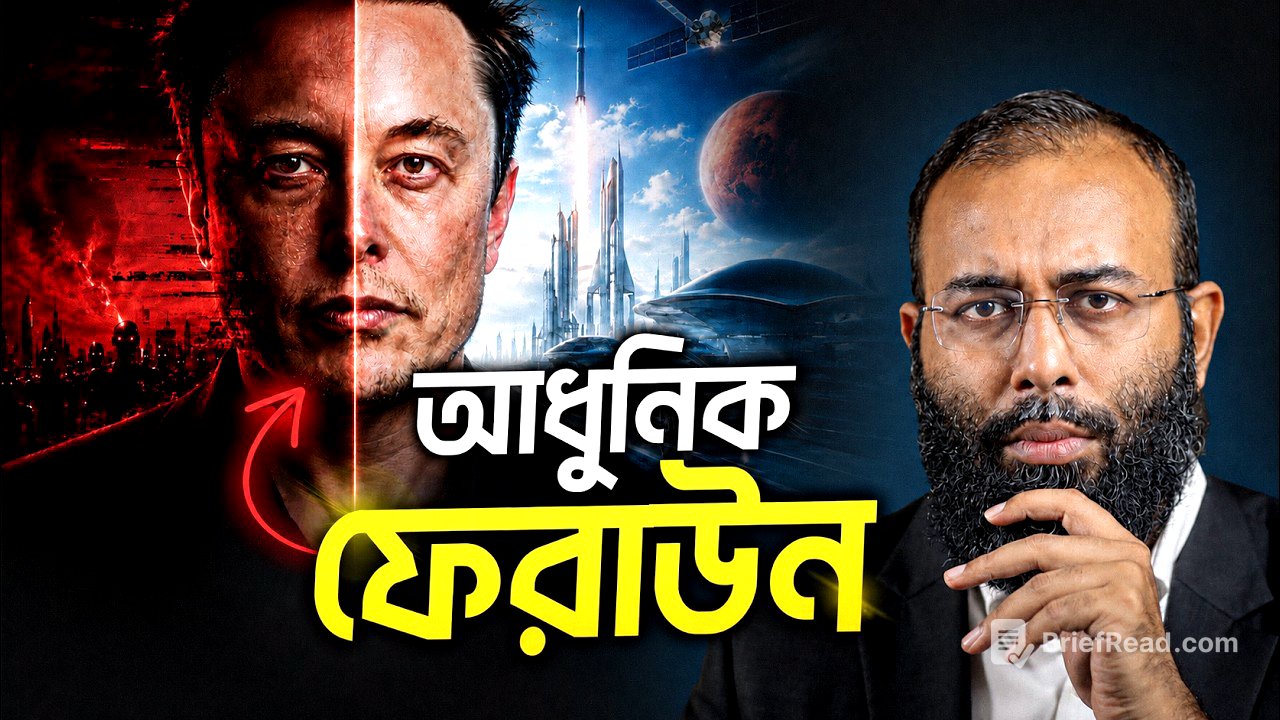
The video discusses the controversial statements made by Elon Musk about the future of wealth, societal structure, and the promises of technological advancements. Musk's claims about a future without financial needs and his plans for colonization on other planets are analyzed in connection with biblical and Quranic warnings against deceptive leaders. The speaker reflects on the dangers of following charismatic figures blindly and correlates Musk's ambitions with historical patterns of exploitation. Key points include the potential scapegoating of Muslim immigrants in Europe, the economic crisis caused by corporations, and the philosophical implications of relying on technology and wealth as measures of success.
- Elon Musk predicts a future where money will not be needed.
- The speaker references biblical texts to caution against following charismatic figures without scrutiny.
The Future Without Money [0:00]
Elon Musk suggests that in ten years, money may become obsolete, a claim he reiterates in recent interviews. He envisions transporting people to Mars and creating human settlements on other planets. The speaker warns that such promises echo warnings from religious texts, particularly the Quran and Bible, about being misled by ambitious individuals. The potential exploitation of humanity through such ideologies is emphasized, questioning the integrity of these leaders and their intentions.
Warnings from Religious Texts [1:20]
The speaker connects Musk's attributes to historical figures warned about in the Quran and Bible. Examples include individuals like Abu Jahal, known for wisdom before the advent of Islam, whose legacy became negative due to his actions. This connection serves as a reminder that intelligence or ambition does not inherently indicate moral integrity or benevolence towards humanity.
Scapegoating Immigrants [3:16]
Musk has previously suggested that Europe's civil unrest is partly due to immigrants, particularly Muslims, who he claims threaten European values. This scapegoating distracts from the real economic issues, which are rooted in corporate strategies and political decisions. The speaker highlights the parallels between historical scapegoating during times of economic distress, comparing today’s treatment of Muslim immigrants to past discrimination against Jewish communities in Europe.
Shifting Blame: Economic Realities [3:56]
The economic struggles in Europe are shown to stem from the departure of corporations and poor political decisions rather than the actions of immigrants. The speaker critiques Musk’s narrative, suggesting it serves wealthier individuals by redirecting blame for economic hardships towards marginalized communities, thereby maintaining the status quo of exploitation.
Historical Patterns of Exploitation [6:17]
The speaker notes how historical colonization tactics, such as divvying communities and setting them against each other, mirror contemporary corporate strategies that exploit immigrant labor for profit. Noting both American and European corporations, a comparison is drawn to the British East India Company’s methods of control during its dominance.
The Illusion of Economic Abundance [8:25]
Musk promotes a future where artificial intelligence creates a world of abundance, requiring little human effort. The speaker warns that this narrative could lead to widespread existential dependency on technology, eroding personal agency and reinforcing a class divide where a select few hold power over the masses.
Wealth and Corruption [11:34]
The correlation between increasing wealth among billionaires and rising national debts is explored, demonstrating systemic corruption. The speaker points out that while the wealth of few soars, the majority face crippling debts and economic insecurity, a disparity that fuels societal tensions.
Critical Reflection on Success [13:52]
The speaker reflects on societal notions of success, arguing that aspiring to become like figures such as Elon Musk can lead individuals away from their religious beliefs. It highlights the dangers associated with idolizing wealth and power, warning that such pursuits may ultimately lead individuals away from spiritual integrity into moral decay.
Conclusion: Awareness and Responsibility [19:19]
The final message emphasizes the importance of critical thinking and awareness regarding figures like Musk and the ideologies they promote. Encouraging a balance between ambition and spiritual fidelity, the speaker reminds viewers that true success should not come at the cost of one's values or faith.