TLDR;
In this video, Paul Davids explores various acoustic guitar body shapes, discussing their tonal characteristics, advantages, and ideal playing styles. The episode also includes direct comparisons between different models, providing insights into the distinct features of each one.
- Different body shapes affect tone and playability.
- The importance of choosing the right guitar for specific styles of playing.
Intro [0:00]
Paul Davids introduces the video series focused on acoustic guitars, emphasizing an exploration of body shapes and their influence on tone. He highlights the purpose of the two-episode series: the first dives into body shapes, and the second will address the woods used in guitar construction.
The series explained [0:52]
The series will focus on comparing various acoustic guitar body shapes and materials. Davids mentions that this review covers 95% of the guitars sold today and encourages viewers to trust their instincts when selecting a guitar, as visuals can heavily influence initial interest.
Roundup of the body shapes [2:13]
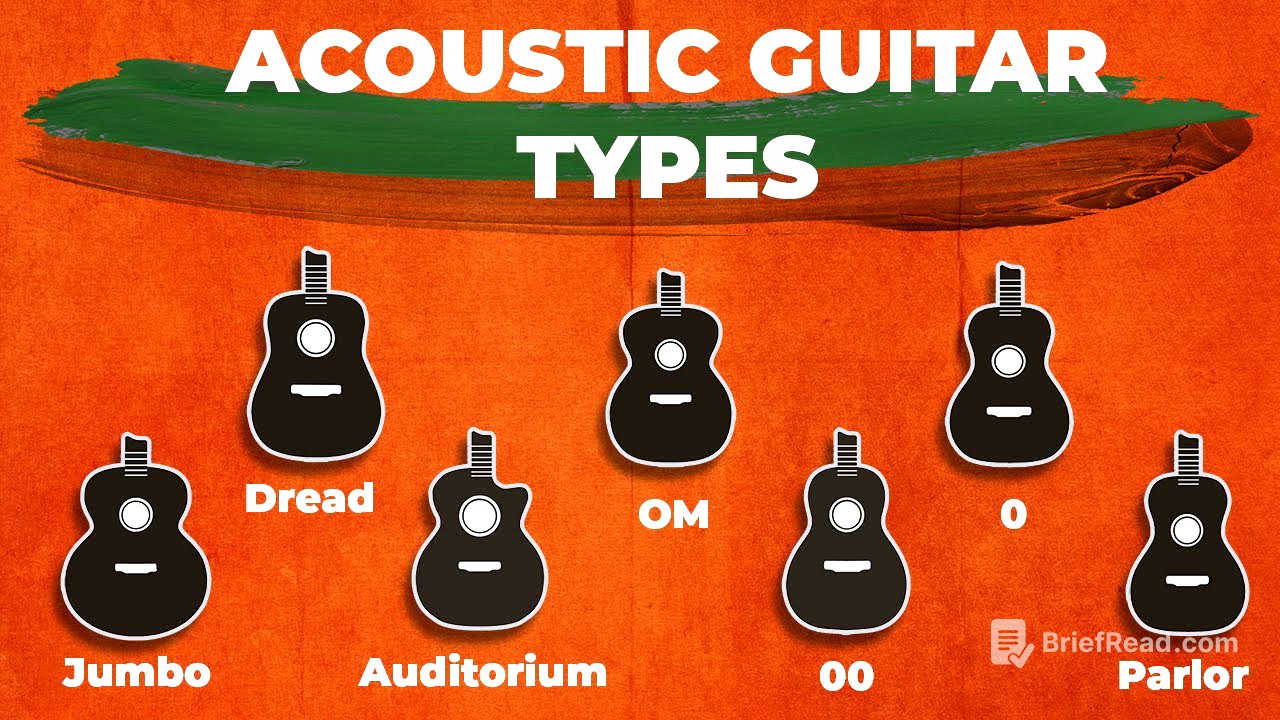
The video gives an overview of available guitar models, starting with the Parlor guitar, known for its excellent definition and fingerstyle suitability. It then discusses the Double O, which offers more overtones and versatility, followed by the Orchestra Model, recognized for balancing delicate fingerpicking and strong strumming.
The best comparison possible [6:01]
Davids highlights how these guitars, built from the same wood by the same team, allow for an objective comparison of sounds. He emphasizes how the Parlor guitar is comfortable to hold while sitting, producing a sound that offers great projection for fingerstyle playing.
The Parlor [6:18]
The Parlor guitar is noted for its ability to convey clarity in single notes, providing emotional resonance when playing styles associated with blues and early music. Its smaller size contributes to its projection, making it ideal for intimate settings.
The 00 [10:01]
Transitioning to the Double O model, this guitar is described as having a larger body that introduces more mids and highs, allowing for increased versatility in sound. It provides a richer tone and better performance for both strumming and fingerstyle compared to the Parlor.
The 000/Orchestra Model [12:13]
The Orchestra Model combines features of both the Parlor and Double O guitars, featuring a comfortable body shape that accommodates various playing styles. It is highlighted as particularly popular for its ability to deliver clear notes while also supporting robust strumming.
The Dreadnought [14:35]
The Dreadnought shape excels in volume and projection, making it a popular choice among singer-songwriters. Although it can handle fingerstyle, its low end dominates the sound, making it less versatile for nuanced playing compared to smaller body shapes.
The Grand Auditorium [17:34]
Described as a hybrid between the Dreadnought and OM styles, the Grand Auditorium offers modern features and a balanced sound, effectively merging the strengths of both guitars. It is suitable for a variety of playing styles and is comfortable to play.
Slope Shoulder Dreadnought [19:20]
The Slope Shoulder Dreadnought benefits from a unique design that provides natural compression, which aids in recording by reducing overwhelming lows. This feature makes it popular among musicians needing consistency in tonal quality.
Slope Shoulder 00 [22:26]
The Slope Shoulder 00 offers a combination of comfortable playability while making it suitable for both stage performances and intimate settings. Its design promotes a warm sound, blending well for fingerstyle playing.
Jumbo [24:33]
The Jumbo guitar, the largest among the shapes discussed, features a bass-heavy tone due to its size and construction from Maple. It is favored for strumming powerful chords and is visually striking on stage.
12 string [25:35]
The 12-string guitar produces a rich, full sound thanks to its doubled strings, making it captivating for listeners. This model is less common for everyday playing but is recognized for its unique tonal qualities that engage audiences.
Outro [27:50]
Davids concludes the video by thanking Eastman Guitars for the guitar selection and sharing his newfound insights. He invites viewers to join the next episode focusing on the different woods used in guitar construction, promising a deep dive into another fundamental aspect of acoustic tone.