TLDR;
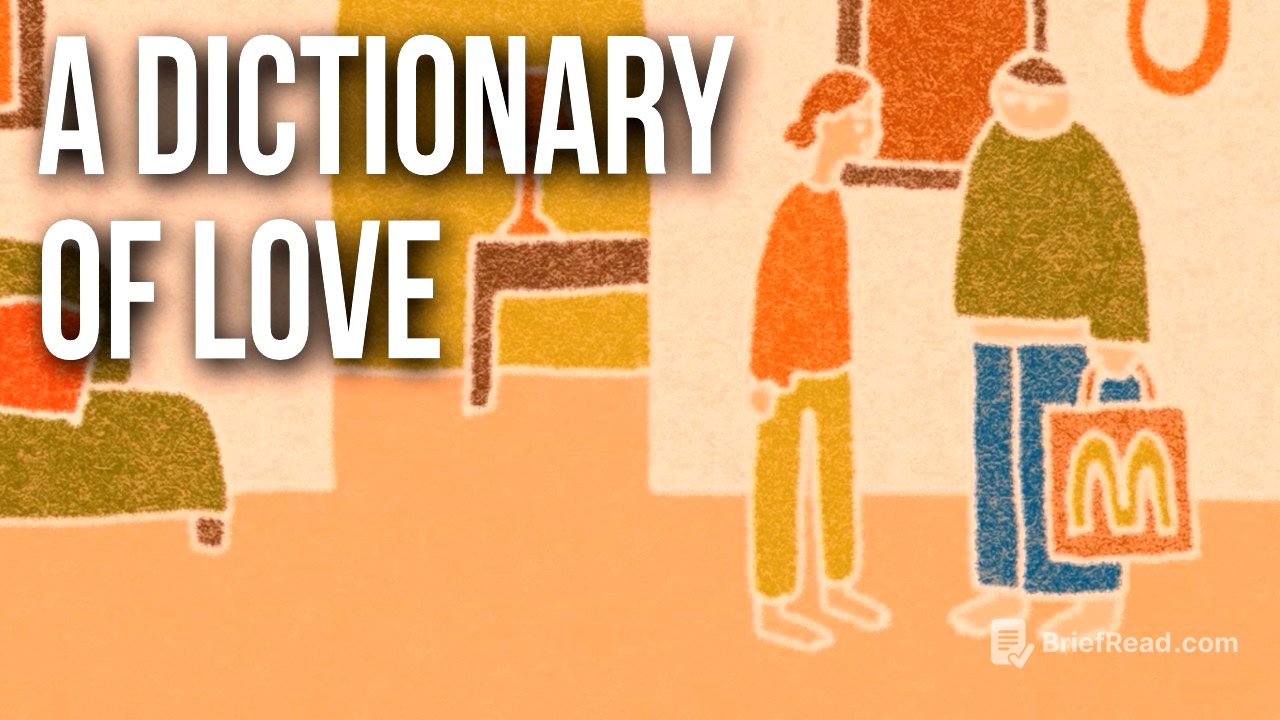
This video explores how misunderstandings in relationships often arise from differing personal "dictionaries" – the unique meanings we assign to words and behaviors based on our individual histories. It advocates for "emotional etymology," urging couples to explore the origins of each other's definitions to bridge gaps in understanding and resolve conflicts more effectively.
- Misunderstandings in relationships often stem from differing personal "dictionaries."
- "Emotional etymology" is proposed as a method for understanding the origins of these differing definitions.
- Exploring the roots of each other's meanings can bridge gaps and resolve conflicts.
The Problem of Differing Definitions [0:02]
In relationships, people often assume that problems are due to incompatibility rather than differing interpretations of the same words or actions. Conflicts arise because partners use the same terms without realizing they have different understandings of their meanings. For example, behaviors like delayed responses or a messy bathroom can be interpreted differently based on individual perspectives.
The Concept of Emotional Etymology [0:42]
People often assume their understanding of concepts is universally shared, failing to recognize that others may perceive them differently. The video introduces the idea of "emotional etymology," drawing a parallel to traditional etymology, which traces the history of words. Emotional etymology involves tracing the origins of personal meanings and interpretations of terms within a relationship.
Applying Emotional Etymology to Relationships [2:20]
Couples often fight because they use the same terms in different ways. For instance, a messy bathroom might stem from a desire to escape strict parental control, while the partner interprets it as disrespect. Before assuming malicious intent, couples should consider that their partner may have a different "dictionary definition" in mind.
The Solution: Dictionary Work [3:01]
Instead of immediately assuming insult or harm, partners should engage in "dictionary work" by asking each other what a term means and exploring the origins of that meaning. By understanding each other's personal dictionaries, couples can bridge misunderstandings and potentially resolve conflicts without resorting to separation.