TLDR;
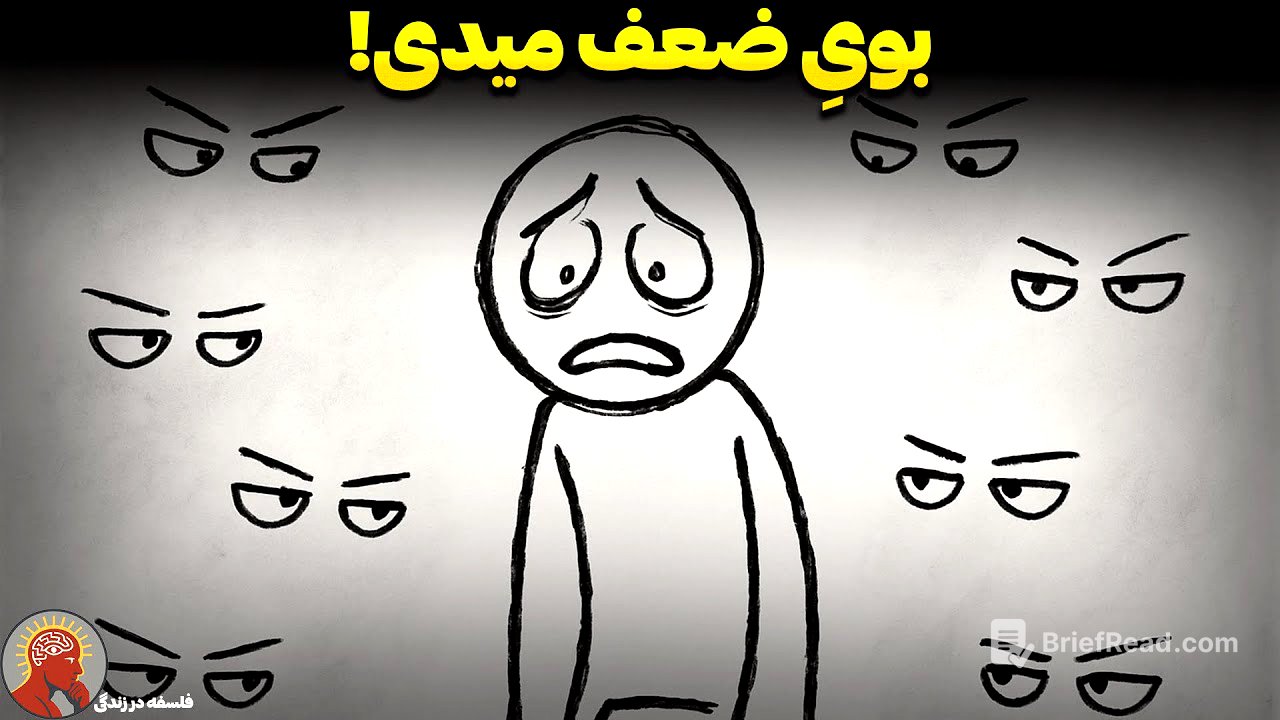
This video discusses nine common behaviors that can diminish one's self-respect and lead to being undervalued by others. It challenges the notion that being agreeable and self-sacrificing leads to respect, arguing instead that such behaviors often signal weakness. The video offers practical advice on how to break these habits, assert oneself, and cultivate genuine self-worth, emphasizing the importance of setting boundaries, prioritizing self-respect over popularity, and communicating assertively.
- Avoid excessive explanations and justifications for your decisions.
- Protect your mental space by avoiding becoming an emotional dumping ground for others.
- Stop making self-deprecating jokes.
- Be less available and stop offering help to those who don't appreciate it.
- Replace apologies with gratitude.
- Prioritize respect over the need for approval.
- Assert yourself and don't be afraid of conflict.
- Pay attention to your body language and make sure it conveys confidence.
- Accept compliments with gratitude and acknowledge your accomplishments.
مقدمه: پارادوکس مهربانی (چرا نادیده گرفته میشوید؟) [0:00]
The video starts by stating that being overly nice and sacrificing oneself for others does not guarantee respect. In reality, people are drawn to strength, and behaviors perceived as meekness can lead to being taken advantage of. The video asserts that if you feel ignored or used, it's not due to bad luck but rather a result of specific behaviors that undermine your value. The aim is to dismantle the "nice guy" facade and address these detrimental habits.
تله اول: توضیح دادن زیاد (نشانه احساس گناه) [1:40]
The first trap is over-explaining decisions, which signals insecurity and a lack of self-worth. When you feel the need to provide elaborate justifications for saying no to something, you're essentially seeking permission and undermining your own right to make choices. Instead, the video advises stating your decision clearly and confidently without feeling the need to provide extensive explanations. This conveys self-assurance and respect for your own time and energy.
تله دوم: سطل زباله احساسی (تفاوت همدلی و حمالی) [4:14]
The second trap involves becoming an emotional dumping ground for others, mistaking it for empathy. Allowing someone to constantly unload their problems without seeking solutions turns you into an emotional garbage can. People don't respect garbage cans; they only approach them when they need to dispose of something. The video advises valuing your mental space and setting boundaries by redirecting or ending conversations that devolve into endless complaining.
تله سوم: شوخیهای تحقیرآمیز با خود (مکانیسم دفاعی) [6:44]
The third trap is making self-deprecating jokes to break the ice or appear humble. While it may seem like you're showing humility, others may perceive it as a sign of low self-worth. These jokes are often a defense mechanism against potential judgment or ridicule. The video advises treating yourself with the same respect you would give a friend and avoiding self-disparaging humor. Your words have power, and constantly putting yourself down can negatively impact your self-perception and how others see you.
تله چهارم: سرویس دادن به نمکنشناسها (قانون کمیابی) [8:58]
The fourth trap is being overly available and helpful to unappreciative people. The video references the law of supply and demand, stating that the more available you are, the less you are valued. People who are always ready to help often become tools rather than friends. The video advises becoming scarce and allowing people to experience your absence to make them appreciate your presence. Respect comes from saying no, not from fulfilling every request.
پنجم: عذرخواهیهای سمی (تکنیک جایگزینی قدرتمند) [11:25]
The fifth trap is excessive apologizing, which undermines your authority and places you in a subordinate position. Unnecessary apologies signal that you believe you are at fault or unworthy. The video suggests replacing apologies with gratitude. For example, instead of saying "Sorry I'm late," say "Thank you for waiting." This shifts the focus from your perceived fault to the other person's virtue, increasing your authority and respect.
ششم: پارادوکس تایید (زندان نامرئی مردم) [13:29]
The sixth trap is the addiction to seeking approval from others, which leads to sacrificing your own opinions and desires. Trying to please everyone makes you less attractive because you lack a distinct personality. People are drawn to those with strong principles and the courage to disagree. The video advises prioritizing respect over popularity and not being afraid of being disliked.
هفتم: ترس از درگیری (هنر قاطعیت سرد) [15:54]
The seventh trap is avoiding conflict, often disguised as being a "peaceful person." However, there's a difference between being peaceful and being harmless. A peaceful person has the ability to fight but chooses not to, while a harmless person avoids conflict out of fear. The video advises asserting yourself and setting boundaries by responding assertively to disrespect. It introduces the concept of "cold assertiveness," which involves remaining calm and composed while firmly addressing disrespectful behavior.
هشتم: خیانت زبان بدن (سیگنالهای بیولوژیک ضعف) [18:16]
The eighth trap is having weak body language, which can betray your lack of confidence even before you speak. Slouching, avoiding eye contact, and taking up little space are biological signals of submission. The video advises standing tall, maintaining good posture, and making direct eye contact to project confidence and increase serotonin levels in the brain.
نهم: تواضع دروغین (ناسپاسی نسبت به خود) [20:32]
The ninth trap is false modesty, which involves downplaying your accomplishments and rejecting compliments. This is not humility but rather ingratitude towards your own abilities. When you deny your achievements, you invalidate the other person's judgment and diminish your own worth. The video advises accepting compliments with gratitude and acknowledging the effort you put into your work.
مانیفست پایانی: تولد دوباره و دعوت به تغییر [22:51]
The video concludes by stating that all these behaviors stem from a root cause: fear of not being good enough and fear of rejection. It emphasizes that being alone with dignity is better than being in a group that doesn't value you. The video encourages viewers to commit to change and provides a mind map summarizing the traps and their solutions, available on the channel's Telegram. It ends by reminding viewers that the world treats you the way you treat yourself and urging them to take control and change the game.