TLDR;
This lecture focuses on the French and Indian War, addressing its causes, key events, and the subsequent effects on British colonial relations in North America. Key takeaways include:
- The war was driven largely by competition over the fur trade and territorial control in the Ohio Valley.
- The conflict escalated into a global war known as the Seven Years' War, with significant battles and changes in alliances.
- The Treaty of Paris resulted in significant territorial shifts, laying the groundwork for future colonial tensions.
Introduction to Colonial Wars [0:02]
The lecture opens with a brief overview of the context for the French and Indian War, noting that the effects of the war are more significant than the military details. Wartime rivalries over territories, particularly in the fur trade and control of lands like the Ohio Valley, set the stage for conflict.
Causes of the French and Indian War [1:16]
Tensions leading to the French and Indian War were fueled by English expansion into the fur trade in western Pennsylvania and their encroachment on French alliances with Native American tribes. Specifically, treaties such as the Logstown Treaty undermined French trade advantages, intensifying conflict over the lucrative fur trade and territorial claims in the Ohio Valley.
Early Conflict and George Washington’s Role [2:55]
The French response included establishing new forts in western Pennsylvania, prompting Virginia Governor Robert Dinwiddie to send George Washington to confront the French. Washington's military inexperience led to a minor victory at a French patrol but resulted in the French counterattack during the Battle of Fort Necessity, where Washington was forced to surrender, escalating tensions into a broader conflict.
Expansion of the War [9:02]
After initial skirmishes, the conflict rapidly spread to Europe, evolving into the Seven Years’ War. The war featured a complex web of alliances with Native American tribes, where the French maintained strong relationships with many tribes, while the English relied on their ties with the Iroquois.
Albany Congress and Colonial Unity [14:42]
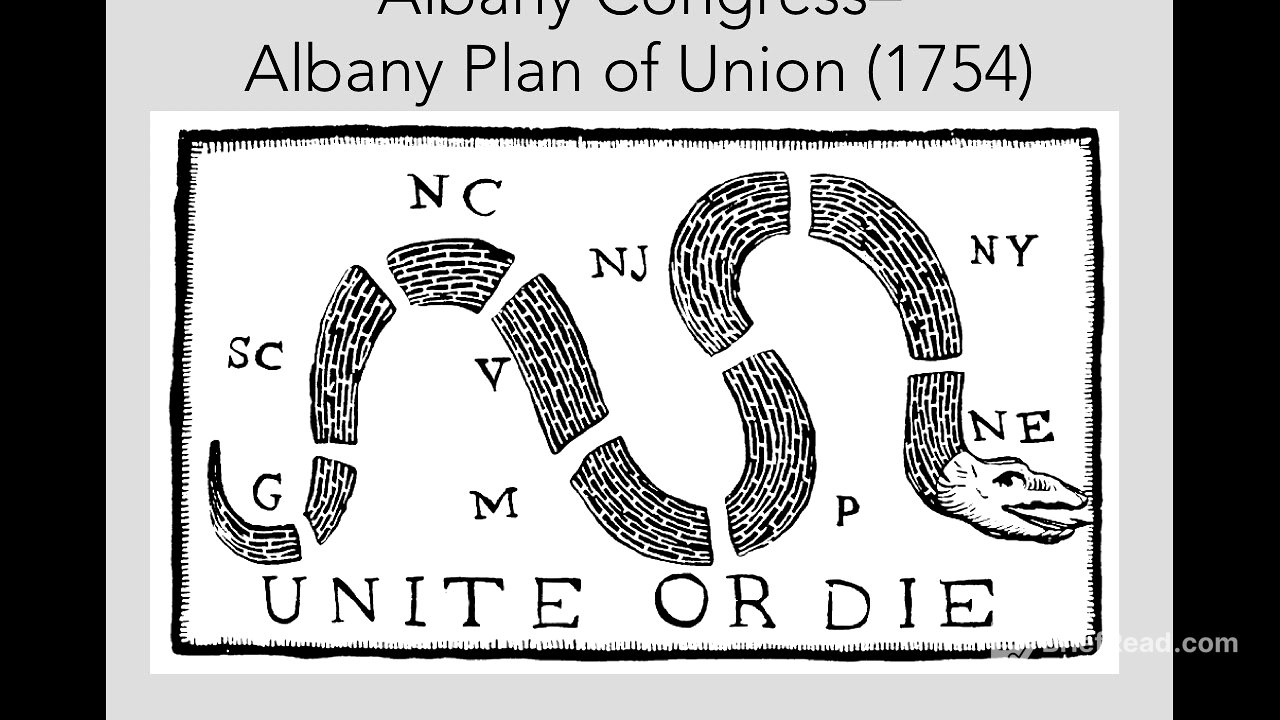
The Albany Congress was convened to strengthen inter-colonial unity and negotiate alliances with Native American tribes. Despite efforts from William Johnson to assure Iroquois support, the Congress failed to create a robust unified military strategy or effective governing authority, leading to continued colonial disunity.
Phases of the War: Initial French Victories [18:18]
The initial phase of the war saw French victories, primarily utilizing guerrilla tactics. Major battles like those at Fort Oswego and Fort William Henry showcased the French dominance and highlighted the disparity in warfare styles between British and French forces, leading to significant British losses.
Turning Point of the War [29:26]
The British military began to turn the tide with a new prime minister in 1758 who prioritized the American War effort. British forces scored significant victories, including the capture of Fort Duquesne, renamed Fort Pitt, and the decisive siege of Quebec in 1759, which marked a turning point in the war.
Treaty of Paris and its Effects [33:15]
The war concluded with the Treaty of Paris in 1763, resulting in major territorial adjustments. England gained Canada and all lands east of the Mississippi River, while Spain ceded Florida and acquired Louisiana. These changes dramatically altered the boundaries in North America and led to growing tensions between colonies and Britain due to economic factors and differing expectations regarding future governance.
Consequences for Colonial Relations [36:17]
Post-war, there was a heightened sense of distrust between the colonies and British authorities. With threats from France diminished, colonists began to rely less on British military protection, leading to burgeoning sentiments towards independence. Economic independence fostered growth in local industries, revealing the colonies' potential prosperity without British regulations. Future relations became strained due to differing priorities and perceptions between British and colonial leaders.