TLDR;
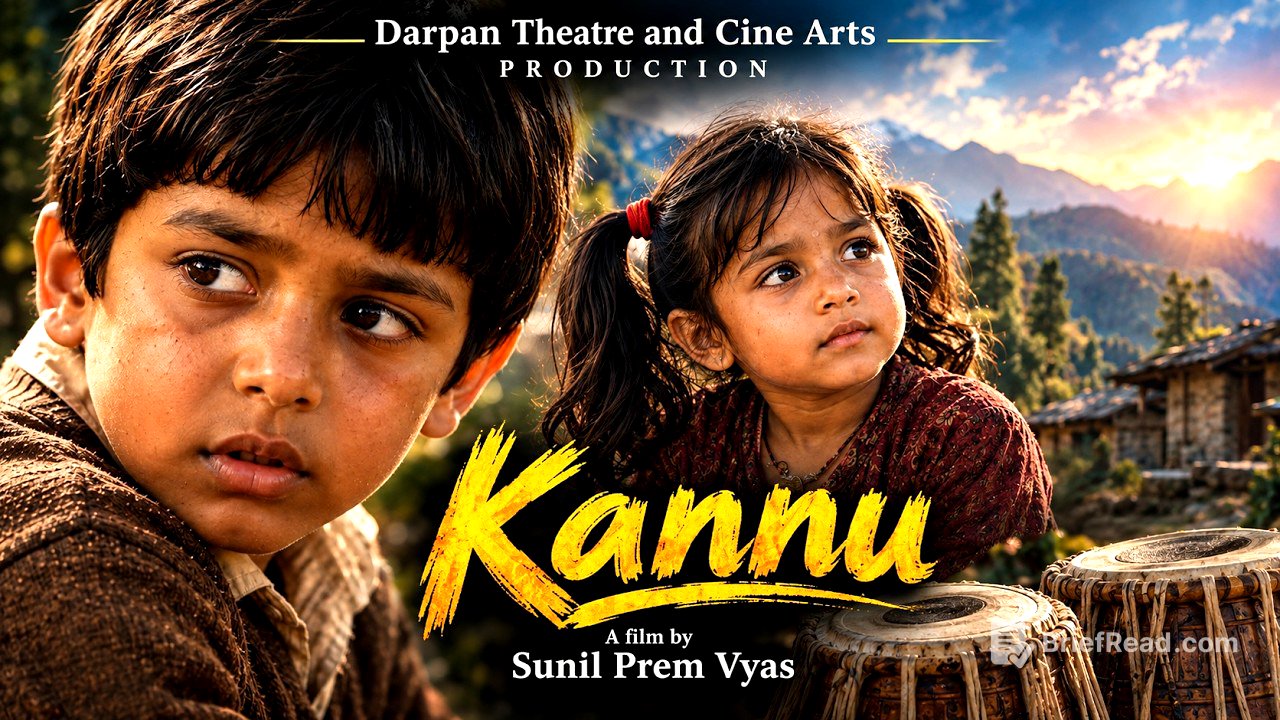
The video features a humorous and engaging narrative revolving around characters trying to manage their financial issues, musical aspirations, and a school-going child named Kannu. The interactions depict a blend of humor and drama, showcasing the values of hard work and the challenges faced in pursuing dreams.
- The character Lala Ji struggles with payments and financial responsibilities.
- There is a comical exchange involving musical instruments and a child's school bag left in a jungle.
- The story addresses issues of money, aspirations, and the innocence of childhood, particularly through Kannu’s character.
Lala Ji's Musical Aspirations [0:11]
Lala Ji is busy managing his workload when he starts discussing payments that have been delayed for the last three months. There are humorous exchanges about the efforts of his employee, Lachhu, to secure the money owed to him. Lala Ji mentions that vouchers for a harmonium have come in and it should be placed inside safely. He expresses a wish to purchase a synthesizer for the upcoming Jagrata (a night of devotional singing) but laments that they aren't earning much.
Kannu's Dilemma [1:43]
Kannu, a young boy, has not gone to school, which leads to an amusing conversation about his school bag that he misplaced in the jungle. The tough realities of his family's financial situation are highlighted, creating a contrast between affluent lifestyles and the struggles of those who are less fortunate. The adults want him to fetch his bag and be responsible, emphasizing the necessity of sending children to school.
Conversations and Negotiations [2:28]
The scene shifts back to Lala Ji managing client calls and discussing fees. The interactions emphasize the pressure on Indian artists to secure opportunities. Meanwhile, there’s a recurring joke about how money is required to buy items and how children often misunderstand the value of money, leading to comedic moments as they try to procure instruments.
The Pricing of Dreams [4:59]
A significant interaction occurs regarding a tabla, which is priced at ₹4000, while Kannu brings only ₹50. This leads to a lesson about money values, as Lala Ji humorously explains the economic realities of trading and purchasing items in life. The comedic back-and-forth captures the innocence of children and their understanding of adult matters.
Kannu's Mischief [7:35]
Kannu is caught in a lie about how he procured his money to buy a toy. He insists he didn’t steal but found it on the way. His father questions him rigorously, emphasizing the ethical upbringing of the children. This part showcases the interaction between parents and children, with comedic undertones as the father tries to instill values while dealing with a mischievous child.
Final Resolution and Purchases [11:28]
The climax unfolds as it becomes evident that the tabla has been sold to a knowledgeable customer for ₹5000, which disappoints Kannu. However, through various humorous exchanges, the emotional connection to the original tabla made from a family goat named Rani, signifies the attachment to dreams and sacrifices. Ultimately, the narrative resolves with a mix of comedy and sentimentality as Lala Ji promises to buy a new tabla that outperforms the previous one, reinforcing the hope of a brighter future through continued musical pursuits.