TLDR;
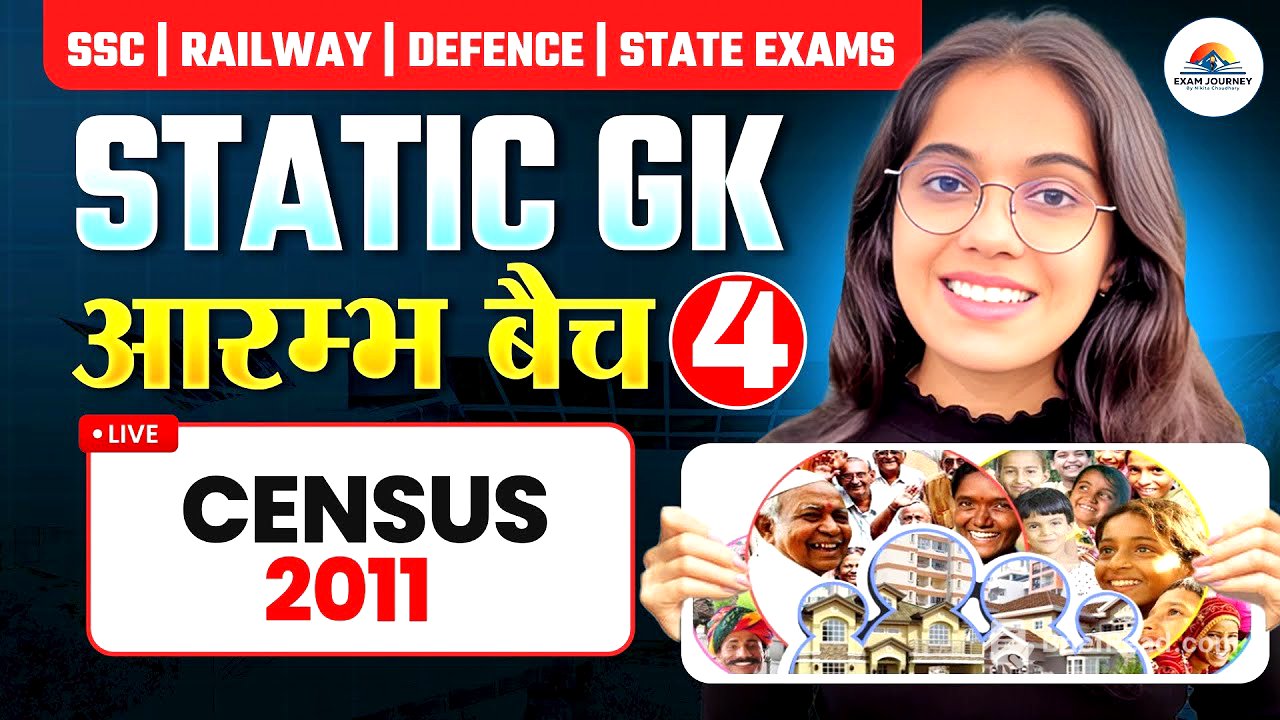
In this session, Nikita Chaudhary covers the fourth class of the Arambh batch focusing on Static GK, specifically on the topic of Census. This class aims to provide a comprehensive understanding of the Census, its importance, and relevant data while engaging students interactively. Key points include the historical background of the Census in India, its frequency, significant statistics, and recent developments regarding the postponed 2021 Census.
- Class focuses on Census, its significance, and upcoming changes.
- Students are encouraged to take notes and actively participate.
Introduction to Census and Class Overview [0:55]
Nikita introduces the session, aiming to ensure everyone is well and studying diligently. She highlights that this is the fourth class in the Arambh batch, which targets Static GK topics via interesting storytelling methods, and is held three days a week. The previous classes covered topics such as Awards of India, Important Dates, and Military Operations. The focus of today's class is on the Census, its significance, and anticipated questions in competitive exams. Nikita emphasizes that the Census topic is often in the news, increasing the likelihood of related exam questions.
Importance of Census and Historical Context [2:03]
Nikita explains that the Census was initially scheduled for 2021 but was postponed due to COVID-19. The rescheduled Census is anticipated to occur in 2025-26, making it a relevant topic for exams. She discusses data collection through the Census, which includes demographic, economic, and social characteristics. This data is essential for policy-making and planning government programs, such as those aimed at women's welfare and infrastructure development.
Census Data Collection and Its Uses [5:37]
The session outlines how census data is utilized for governmental planning and infrastructure development. For example, it provides insights into the population needing educational resources and other services. Nikita highlights the importance of having accurate data to optimize resource allocation for schools and other facilities.
Census Frequency and Administration [10:46]
Nikita mentions that the Census is typically conducted every ten years, guided by the Registrar General and Census Commissioner under the Ministry of Home Affairs. The first complete urban census in India occurred in 1830, conducted by Henry Walter in Dhaka. This historical fact positions Walter as the father of Indian Census. The first synchronized census took place in 1881.
2021 Census and Current Developments [14:33]
This part discusses the latest 2011 Census and its outcomes, including the significant inclusive progress, such as counting transgender individuals for the first time. The class also touches on the census's impact and the significance of certain statistical outcomes, including the total population count, literacy rates, and demographic details.
Diverse Population Statistics from Census [18:11]
Nikita presents various census statistics, offering insights into India's demographics. Key statistics include the total population of 121 crore, with a literacy rate of 74%, gender ratios, and urban-rural population percentages. She stresses the importance of this data in exams and practical applications, explaining the growth rate of the population and various demographic trends.
Major Questions and Answers from Previous Censuses [21:50]
The segment reviews significant quiz-like questions related to census facts that might appear in exams. Nikita shares that Uttar Pradesh has the highest population among Indian states, while Sikkim has the lowest. It also highlights the state's growth rates and the populations of urban and rural areas since the last census.
Conclusion and Class Wrap-Up [44:40]
In conclusion, Nikita encourages students to revise the discussed material actively and refers to the availability of class notes in the Exam Journey application. She motivates them for their future exams and emphasizes the importance of consistent study habits and thorough note-taking. The next class is scheduled for Friday, continuing with Static GK.