TLDR;
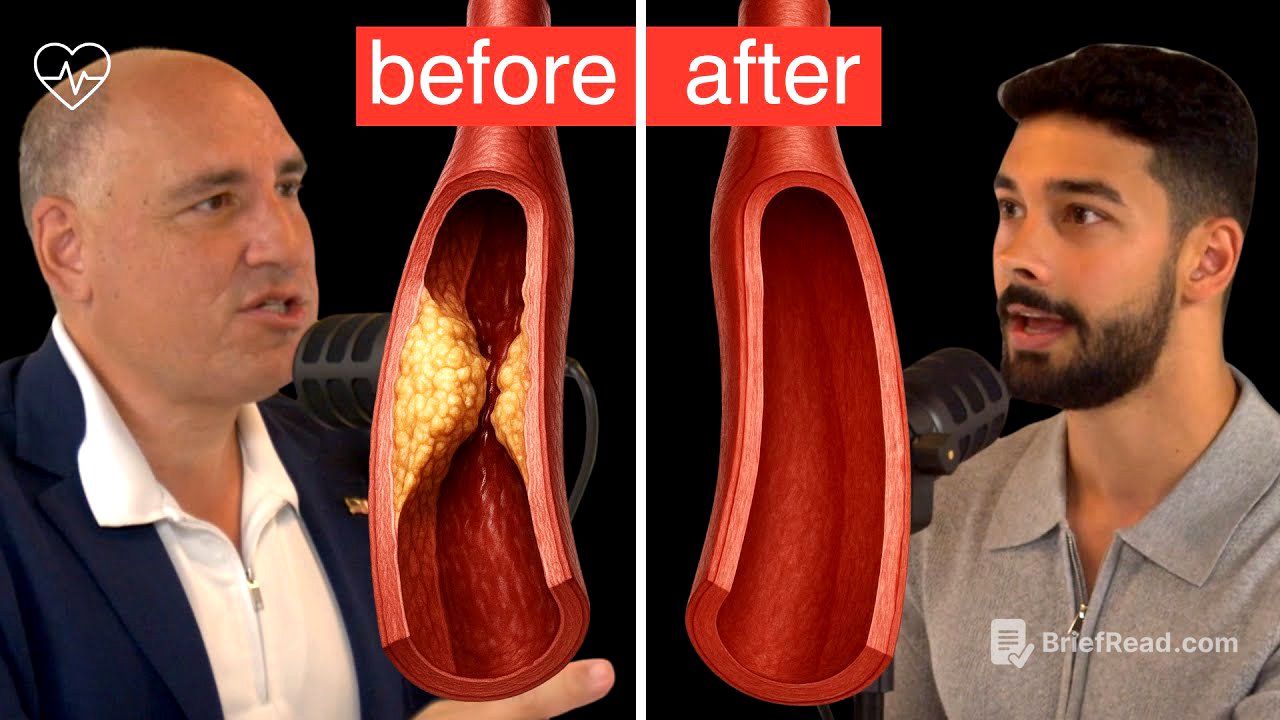
This video features a discussion on heart disease, its causes, and prevention. It challenges the conventional focus on cholesterol as the primary culprit, instead highlighting insulin resistance and inflammation as key factors. The video also provides practical advice on identifying metabolic unhealthiness through simple markers and suggests dietary strategies, particularly low-carbohydrate diets rich in animal-based nutrients, to reverse metabolic problems and improve overall health.
- Heart disease is still a major killer, and current prevention methods aren't working well enough.
- Cholesterol isn't the main cause of heart disease; insulin resistance and inflammation are more important.
- Simple markers like waist circumference, blood pressure, and blood glucose levels can help you assess your metabolic health.
- Diet is a powerful tool for reversing metabolic problems, with low-carb, nutrient-dense diets being particularly effective.
Introduction: The Fight Against Heart Disease [0:00]
The speaker shares that he shifted his focus from heart surgery to preventing heart attacks, believing that most heart disease is preventable. He aims to reduce heart disease from being the number one killer. Currently, heart disease is incredibly common, causing about 650,000 deaths annually in the United States, which is approximately one in every four deaths. A heart attack occurs every 33 seconds in the country. While survival rates after heart attacks have improved, the prevention of heart disease has not, and its prevalence continues to rise.
Root Causes of Heart Disease: Beyond Cholesterol [1:45]
To lower the incidence of heart attacks, it's crucial to understand the root causes of heart disease. The speaker argues that the focus on cholesterol as the primary cause has been a distraction. While cholesterol plays a role, it is not the main driver of heart disease. Instead, insulin resistance and inflammation are the key issues that need to be addressed through diet and lifestyle changes. Shifting the conversation to these factors is essential for making real progress in preventing heart disease.
LDL Cholesterol: Not the Main Culprit [3:02]
The speaker explains why cholesterol, particularly LDL, isn't the primary cause of heart disease. Studies linking LDL cholesterol to heart disease show weak associations compared to causal factors like smoking and lung cancer, which have much stronger correlations. The focus on cholesterol started in the mid-20th century when heart disease rates were rising, and cholesterol seemed to be involved. The introduction of statins, which lower cholesterol, further solidified this belief. However, despite widespread cholesterol treatment, heart disease continues to worsen, suggesting that the focus may be misplaced.
Metabolic Health Markers: Key Indicators [7:46]
To assess metabolic health, the speaker recommends monitoring five key markers. Two of these don't require blood work: waist circumference (less than 40 inches for men and 35 inches for women) and blood pressure (less than 130/85 without medication). The other three markers come from basic blood work: fasting blood glucose (less than 100 mg/dL), HDL cholesterol (over 40 mg/dL for men and 50 mg/dL for women), and triglycerides (less than 150 mg/dL). If three or more of these metrics are outside the healthy ranges, it indicates metabolic syndrome, which is associated with a high risk of heart disease, cancer, Alzheimer's, and other chronic diseases.
Diet's Role in Reversing Metabolic Problems [11:46]
Diet is the most powerful tool for improving metabolic health and reversing insulin resistance. While other factors like sleep, activity, and stress management are important, getting the diet right is crucial. The speaker emphasizes that there is no one-size-fits-all diet, and the best diet is the one that can be consistently followed. Generally, the more metabolically unhealthy someone is, the lower their carbohydrate intake should be. Low-carb diets are effective at reversing insulin resistance and metabolic syndrome.
The Ideal Diet: Nutrient Density and Animal-Based Foods [12:58]
The ideal diet should be nutrient-dense and bioavailable, with a focus on animal foods. Animal proteins and fats are what humans primarily evolved eating for millions of years. Grains, carbohydrates, and fruits have only become abundant in recent history. Therefore, basing the diet on animal proteins and fats, which are the most nutrient-dense and bioavailable, is recommended for optimal health.