TLDR;
The video explores the emotional and relational aspects of art, particularly in tattooing. The tattoo artist discusses how art fosters connections and interactions between the creator and the consumer, leading to friendships and shared experiences. The value placed on art often conflicts with the commercial aspect of the profession, leading to challenges in balancing financial gain with genuine emotional connections.
- Art is alive and defined by both the creator and the consumer.
- The tattooing process helps create a bond between the artist and the client, complicating the act of charging for the work.
The Nature of Art and Connection [0:09]
Art is described as a living entity that thrives on awe and the appreciation of beauty, evolving in meaning depending on the perspectives of both artist and consumer. The tattoo artist shares their professional journey and how this vocation embodies a dynamic exchange of creativity, where monetary value does not dominate their thoughts. They express that while they appreciate earning money, the essence of art transcends financial transactions.
The Emotional Bond in Tattooing [1:21]
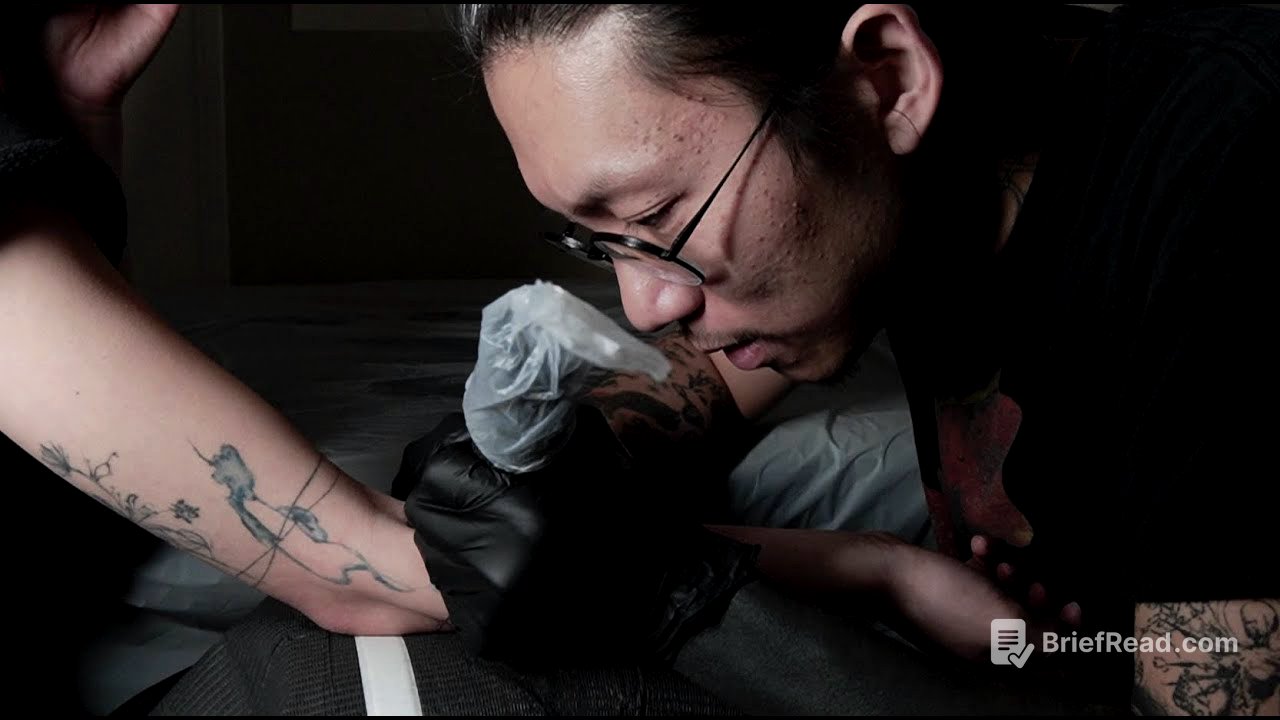
The tattooing experience is characterised by the emotional bond formed between the artist and the client. Conversations during the tattooing process help ease the client's pain, allowing for a deeper connection that often results in friendship. This makes it challenging for the artist to assign a monetary value to the artwork, especially when they feel a strong connection with the client, further complicating the ethics of charging for such intimate art.
Challenges of Charging for Art [2:14]
The artist reflects on the difficulties faced when determining when it is acceptable to charge for their work. They believe that when a significant connection exists, charging becomes contentious. However, if the client lacks appreciation for the art or the relationship is shallow, the artist finds it easier to set a price. This contrasts with the traditional model of art selling, where artworks are sold to wealthy individuals, often excluding genuine connections between artists and consumers.
The Artist's Perspective on Commercialisation [3:18]
The artist questions the role of the artist in the commercial landscape where their work is treated as a commodity. They highlight the risk of detached relationships, where artists and their consumers do not engage on a personal level, reducing art to mere products without emotional connections. The artist explains that while they create beautiful work, they prefer to maintain a relational aspect of art rather than viewing it purely as a financial transaction.
The Importance of Connection [4:48]
The artist expresses a desire for their clients and followers to see them as more than just a tattoo artist, but as a human being with a story. They want those who engage with their art to seek a personal connection, challenging the notion of art existing solely as a one-way street. This interaction is fundamental to their understanding of what art truly represents in their life and practice.