TLDR;
The video explores the mysterious jamming of GPS signals across Europe, led by Professor Todd Humphreys and student Zach Clements. They uncover evidence of significant disruptions to GPS throughout the continent, posing questions about potential sources and intentions behind the interference.
- Identification of extensive GPS signal disruptions across Europe
- Possible sources ranged from solar storms to deliberate jamming from satellites
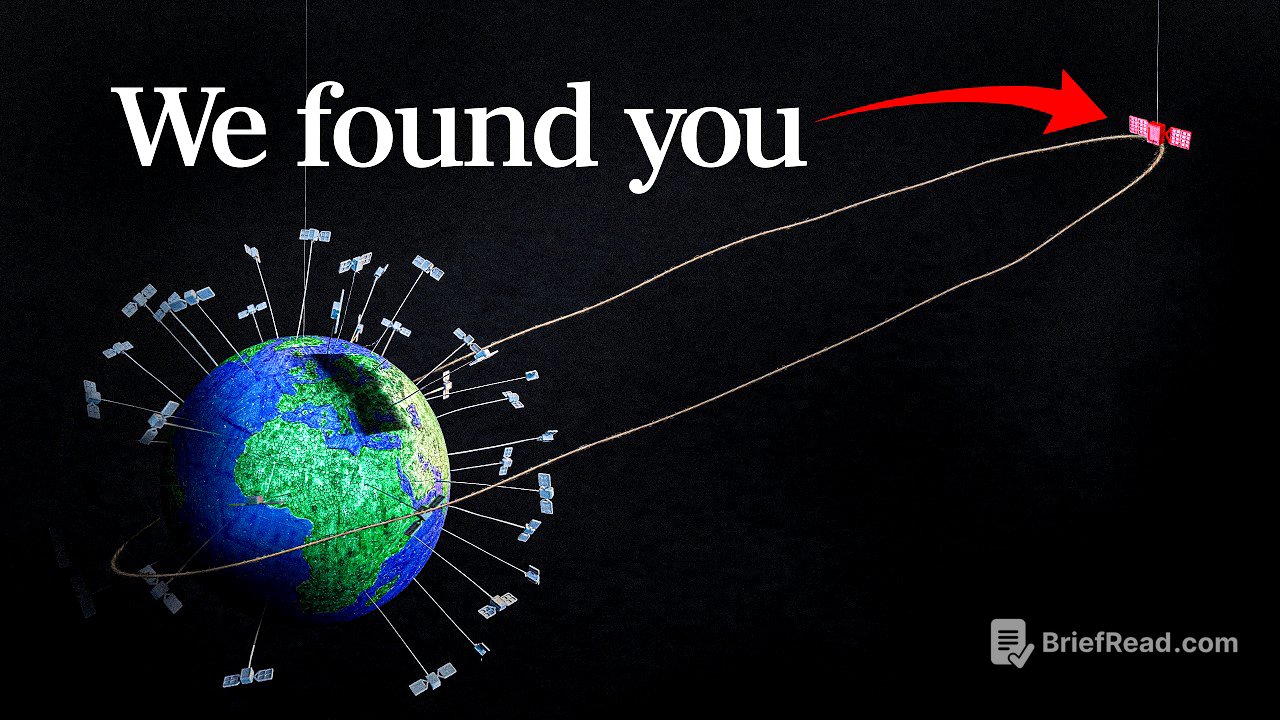
- A primary suspect identified as the Russian satellite Cosmos 2546, linked to electronic warfare capabilities
What is jamming Europe’s GPS? [0:00]
In November 2024, Professor Todd Humphreys from the University of Texas received a tip regarding GPS signal disruptions in Europe. The team examined historical data from GPS monitoring stations and found a concerning pattern of signal-to-noise ratio drops across Europe, suggesting interference. This issue was prevalent from Poland to other parts of Europe, indicating a much larger problem than a local disruption.
How does GPS work? [4:43]
GPS technology functions by utilising signals from multiple satellites to determine the receiver's location. It works through measuring the time it takes for signals to reach the receiver and comparing this data to the satellites’ known positions, adjusting for both timing and signal distortion. The video gives a detailed explanation of satellite positioning, satellite clock accuracy, and the need for ground stations to monitor and guide the satellites constantly.
How easy is it to jam GPS? [10:46]
Jamming refers to overwhelming GPS signals with stronger noise on the same frequency. The video explains the frequency band used by navigation systems and how efficient jamming tools could disrupt signals effectively. The susceptibility of GPS to jamming is highlighted, showcasing the challenges of ensuring signal integrity given the weak signal strength.
The Hunt To Find The Jammer [12:18]
The researchers investigated whether the GPS interference was random or had human intervention. They noticed interference was concentrated during certain weekdays, leading them to suspect deliberate jamming. This prompted further exploration into the source, and they sought to establish if the jamming originated from a satellite or another form of interference.
Who are the possible culprits? [17:12]
The analysis covered various satellites that could have been responsible for the disrupted GPS signals, narrowing down potential candidates based on their trajectories and capabilities. They concluded that multiple satellites, including those operated by Algeria, could potentially be involved, although further investigation was required to confirm this.
The Investigation Goes Public [20:06]
In September 2025, the researchers presented their findings at a conference, receiving considerable interest from the academic community. This collaboration aimed to leverage collective resources and expertise to trace the origins of the jamming signals and potentially identify the jamming satellite.
Narrowing In On The Jammer [23:00]
After months of investigation, the researchers began using raw data to capture actual signals from the jamming events, allowing for high-resolution analysis of signal arrival times at different locations. This data helped pinpoint a specific jamming satellite's proximity by analysing the timing differences between signals received at diverse stations.
Cosmos 2546 [25:15]
The only satellite which matched the timing differences and positional data was the Russian satellite Cosmos 2546, suggesting a link to organised military activity. Despite its identification as a potential suspect, the satellite’s launch date posed questions about its involvement in earlier jamming incidents.
A Secret Messaging Service? [28:25]
The video speculates on whether the jamming could be a cover for secure communications rather than outright interference. With the discovery of transmissions aimed at different frequencies, including signals from the Chinese BeiDou system, organisational intentions behind the transmissions remain ambiguous.
What happens if we lose GPS? [29:19]
The ramifications of extensive GPS disruptions are significant, impacting essential services, aviation, and everyday applications. The video concludes with a warning about the vulnerability of GPS infrastructure and the necessity for more resilient navigation systems capable of withstanding such jamming threats.