TLDR;
This video discusses significant security vulnerabilities concerning SSL certificates and PHP. The primary focus is on the SSL certificate issue with eMudhra, a root certificate authority, which led to the compromise of several intermediate certificates. Additionally, it covers a severe vulnerability in PHP called PHP2Shell that affects various versions of the language. The video highlights the implications of these vulnerabilities and the urgent need for users to check and secure their systems.
- eMudhra's SSL debacle led to compromised certificates, allowing for easy forgery of SSL and code-signing certificates.
- The PHP2Shell vulnerability allows for server control through PHP pages, with many versions affected, making it critical for site owners to ensure their software is up-to-date.
Intro [0:00]
The host mentions two critical security issues: a massive vulnerability in PHP and a significant SSL certificate debacle involving eMudhra, a global certificate authority. The introduction sets the stage for an exploration of these serious concerns, with a promise of detailed insights into the implications for users.
The Certificate Debacle [0:21]
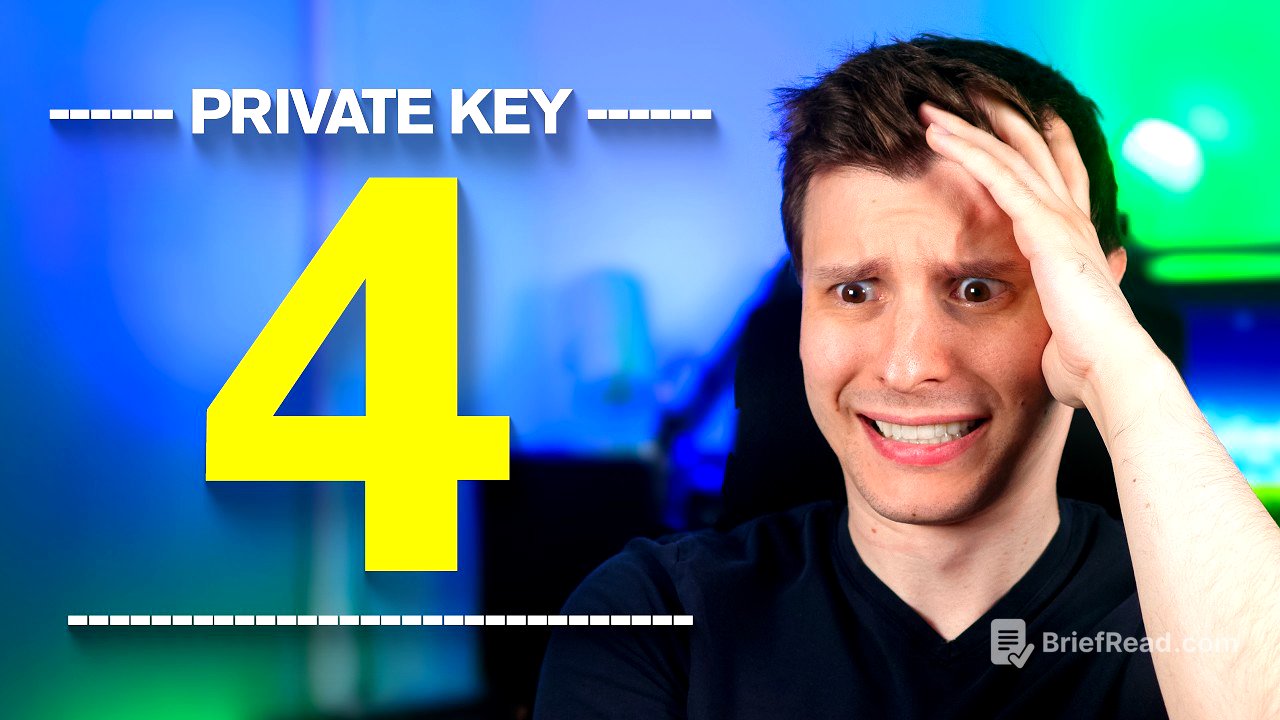
The video discusses the SSL certificate debacle involving eMudhra, a certificate authority from India. eMudhra's intermediate certificates were compromised, allowing anyone to create forged certificates trusted by major browsers and operating systems. This severe lapse occurred due to weakly generated private keys, with some keys being as simple as the number four, enabling instant brute-force access. While six certificates were for SSL, two could sign software, risking malware bypassing security checks.
Root Authorities [1:05]
The segment explains the role of root certificate authorities and how they issue trusted certificates. Root authorities use master certificates to sign intermediate certificates, which then authenticate customer certificates. The video clarifies the trust established between users' devices and these authorities, highlighting the risks posed by compromised certificates in the context of internet security.
The Problem [1:49]
The video delves into the core problem of how the eMudhra certificates were compromised. It explains how private keys are generated and used for digital signatures. Private keys should be complex and long, yet the compromised certificates had simple keys, leading to a significant security breach where attackers could impersonate trusted sites and software.
Worse Than Just SSL [3:53]
The host elaborates on the broader implications of the compromised certificates beyond just SSL connections. While SSL security is crucial for browsing, the real danger lies in the ability for attackers to sign malicious software, potentially evading antivirus systems. This highlights the dual risk to websites and software relying on these certificates, especially as some systems may not update their revocation lists.
Revocation Lists [4:35]
This section discusses revocation lists, which are used to inform devices about certificates that should no longer be trusted. While many systems successfully update to disregard the compromised eMudhra certificates, challenges exist for air-gapped systems that do not connect to the internet. The video stresses the importance of keeping lists updated, as users relying on outdated systems remain at risk.
How to Check Yourself [6:44]
The video provides instructions on how users can check if their devices still trust the compromised eMudhra certificates. Users can visit a specific test site to verify the trust status of their devices. The majority of popular browsers and operating systems have updated their lists, ensuring enhanced security for users.
The PHP Nightmare [8:07]
Turning to the PHP vulnerability, the host describes PHP as a programming language used by numerous websites. The vulnerability, dubbed PHP2Shell, affects many versions of PHP and can allow attackers to control servers. This section underscores the severity of the exploit and its wide-reaching impact on outdated sites that may not handle updates effectively.
What About Patches [9:12]
While all major PHP versions received patches, the proof of concept for the vulnerability was released before the patches, turning it into a zero-day exploit. The NSA has warned users to temporarily take down PHP sites until they can confirm the patch's implementation. Although backported patches exist for older versions, users must manually apply these updates, with no automatic solution available.
A Separate Vulnerability [10:15]
In this chapter, the host briefly mentions another related vulnerability concerning upload progress bars in PHP, which has not yet been patched. This serves as a reminder of the ongoing security concerns associated with web technologies.
Apps Also Vulnerable [10:45]
The final segment acknowledges that any local web server running PHP can also be vulnerable, emphasizing the importance of software updates not just for public websites but for private applications as well. The risk of malware exploiting vulnerabilities in software running on administrative privileges underlines the need for vigilance regarding security.