TLDR;
In this video, Jesse Enkamp explores the monkey kung fu style with grandmaster Jiang Yu Shan, highlighting its effectiveness and unique techniques. Jiang explains the conditioning process and the philosophy behind monkey kung fu, presenting it as a dangerous yet noble martial art. They delve into practical techniques, discussing the conditioning of joints, attacking angles, and the principles necessary for a complete martial system. The video also touches on the historical connections between various martial arts, including those in India and Thailand.
- Jiang Yu Shan is the grandmaster of monkey kung fu, which originated in the Shaolin temple.
- Monkey kung fu is characterised by its external style and unorthodox techniques meant to prepare fighters for combat situations.
The Monkey Style's Origins and Philosophy [0:00]
Jesse introduces Jiang Yu Shan, the grandmaster of monkey kung fu, as he explains why this style is particularly valued by special forces. Jiang reveals that monkey kung fu was developed in the Shaolin temple but is not widely practiced there due to its dangerous techniques, which focus on external combat skills. This style was used by the temple's "executioners" and is linked to the special forces of martial arts, making it both unique and effective.
Preparation and Conditioning Techniques [1:00]
Jiang demonstrates a skin conditioning ointment so practitioners can strengthen their skin against impacts. He details how the energy from strikes travels through the body and emphasises the importance of conditioning joints like the elbow and neck for effective striking power. Jiang explains that conditioning two primary joints is sufficient, allowing for agility while keeping other areas relaxed.
Training Techniques and the "Demon's Hand" Concept [2:00]
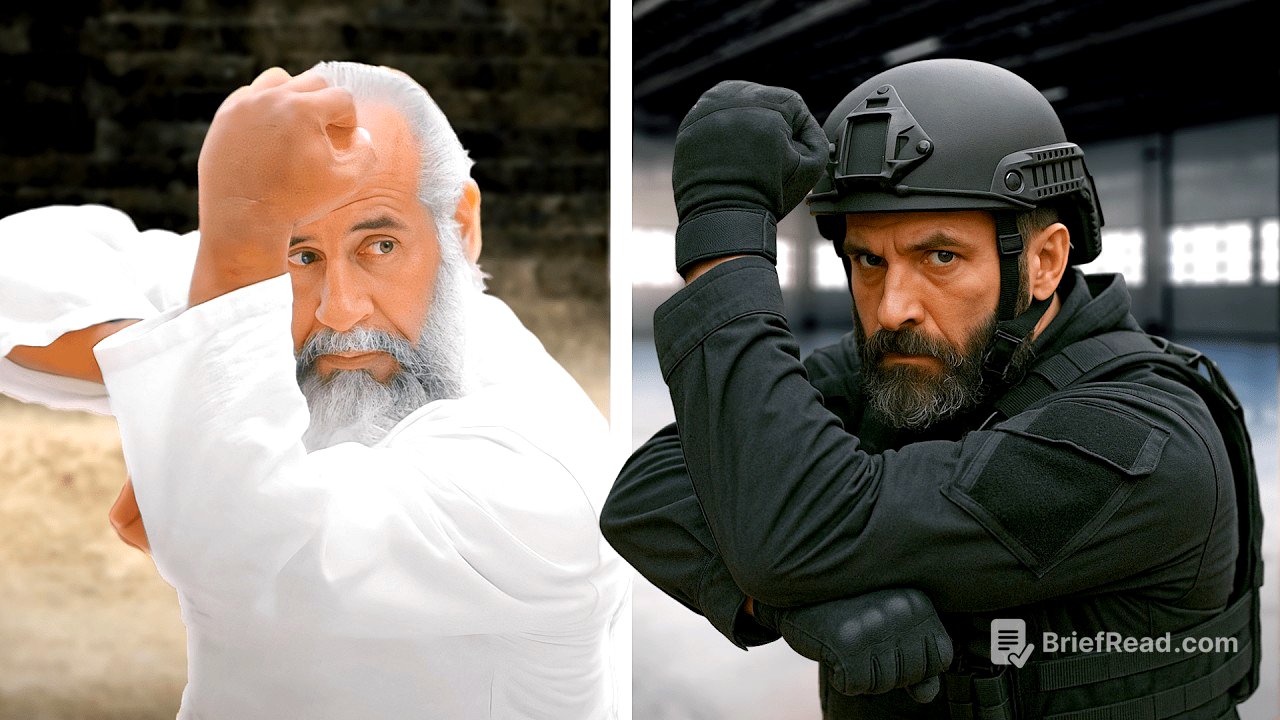
The grandmaster illustrates various striking techniques, including hammer fists and body weapon conditioning. Jiang describes the "Demon's hand and Buddha's heart" philosophy, where martial artists use destructive power with a kind and noble intent. The chapter showcases his unique style of striking, which involves using specific angles and body mechanics to maximise impact.
Application of Techniques and Combat Strategies [4:00]
Jiang guides Jesse in executing classical punch techniques, blending different martial arts methods to create unique strikes. He introduces the concept of monkey fist techniques that allow for deceptive attack angles, illustrating that with proper conditioning, martial artists can strike from unexpected positions. The effectiveness of monkey kung fu is highlighted through its adaptability in combat situations.
Links to Other Martial Arts and Cultural Connections [8:40]
The conversation shifts to the historical connections of monkey kung fu with styles from India, such as wrestling and Muay Thai. Jiang explains that both cultures have rich traditions linked through their martial arts practices. The chapter further explores how these styles developed survival techniques using concepts and deities, like the monkey god Hanuman, in their training.
Principles of a Complete Martial System [13:00]
Jiang elaborates on the principles necessary for mastering martial arts, encompassing hand techniques, keen observation, flexibility, and the importance of footwork. He emphasizes that developing these skills monotonously will create a disciplined fighter capable of quick analysis during combat. Additionally, he discusses the necessity of building physical power complemented by mental awareness.
Five Internal Principles of Martial Arts [20:30]
In this section, Jiang introduces the internal principles, focusing on essence, spirit, qi (energy), physical power, and effort in training. He elaborates on how a martial artist's inherent qualities and discipline affect their skills and overall effectiveness. Each principle complements the others, forming a holistic approach to martial arts training that improves one’s body, mind, and spirit.
Conclusion and Future Aspirations [27:10]
Jesse and Jiang wrap up the session by expressing their gratitude and aspirations for future interactions. They discuss the importance of continuous learning and conserving traditional practices in martial arts. Jiang encourages cultivating friendships with other martial artists for mutual growth, emphasising the importance of community among fighters. They conclude with an invitation to share tea together, reinforcing their bond and shared journey in martial arts.