TLDR;
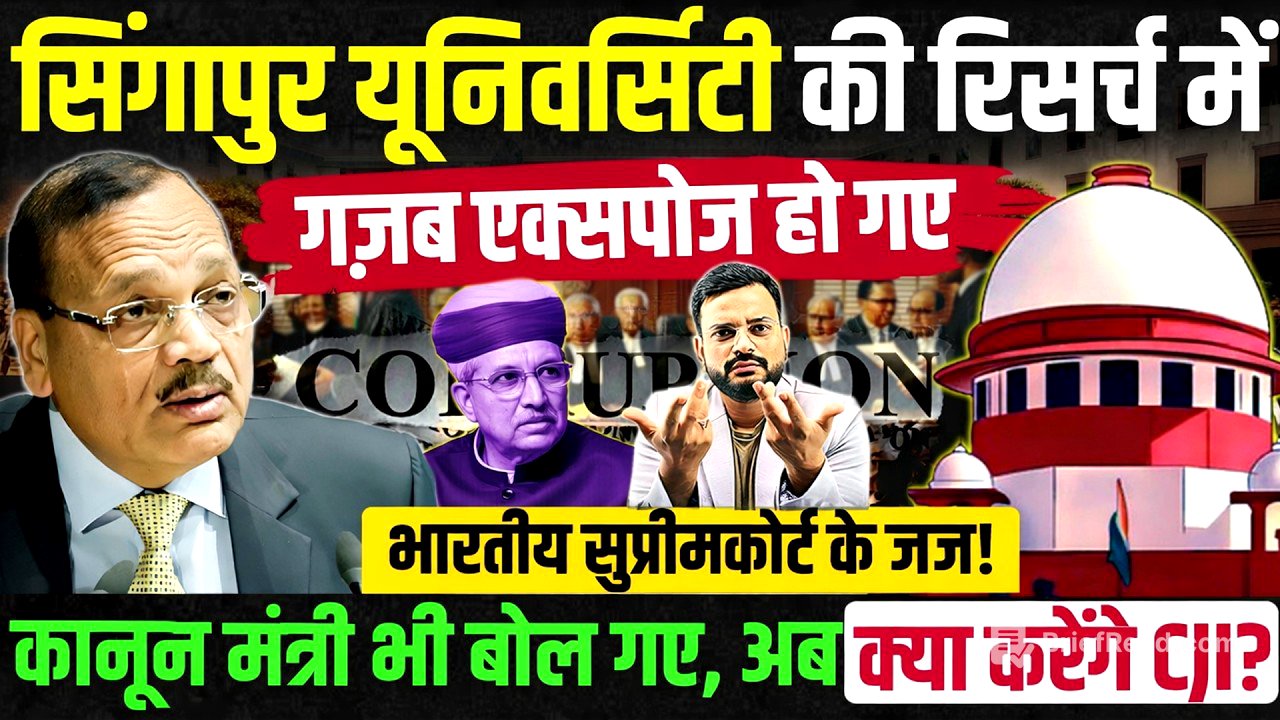
This video discusses two significant issues concerning the Supreme Court of India. It highlights a research report alleging corruption and governmental influence within the judiciary, particularly through post-retirement job offers to judges who rule in favour of the government. Additionally, it addresses the massive backlog of cases plaguing the Indian judicial system and questions whether the focus is on resolving these issues or suppressing discussions about them.
- Research report alleges corruption and governmental influence within the judiciary.
- Massive backlog of cases in the Indian judicial system.
Introduction [0:00]
The video introduces two major issues concerning the Supreme Court of India, noting that the court itself is becoming the news. It references a past incident where NCERT banned a textbook, but claims a new document contains even more serious allegations against the Supreme Court. The presenter promises to explain a detailed research report from 2021 in simple terms, referring to a Times of India report from March 17th that highlights 35% pendency in high courts.
Jobs for Justices: Corruption in the Supreme Court of India [3:39]
The video discusses a research paper titled "Jobs for Justices: Corruption in the Supreme Court of India" by Madhav S. Aney, Subhankar Dam, and Jeevanwani. The research suggests that the Supreme Court is not entirely independent, with government pressure influencing judges through post-retirement job opportunities. Judges who rule in favour of the government, especially those who write judgements supporting the government's position, have a higher chance of receiving lucrative positions after retirement. This creates a system where the judiciary's independence is compromised.
Golden Window for Judges [5:40]
The research indicates that judges retiring closer to election periods have a "golden window" to secure post-retirement jobs by favouring the incumbent government. Judges with less time before elections are more likely to show bias, as they need to please the government quickly. The report finds that the likelihood of the government winning cases increases by 39-49% in such situations. While the government typically wins 58-66% of cases, this percentage increases significantly in important cases, with judges often being appointed to human rights commissions or law commissions after retirement.
Examples and Suggestions [8:05]
The video provides examples of Supreme Court judges who received prominent positions after retirement, such as Justice P. Sathasivam becoming the Governor of Kerala in 2014, Justice Halappanavar Lakshminarayan Swamy Dattu becoming the Chairman of the National Human Rights Commission, and Justice Pinaki Chandra Ghose becoming the Lokpal. The research suggests implementing a cooling-off period after retirement to prevent immediate appointments to government positions.
Controlling the Judiciary [8:52]
The video claims that those who are honest and impartial are often prevented from becoming Supreme Court judges. It suggests that judges are tempted with post-retirement positions and threatened to control their decisions, especially those who might become Chief Justice. The presenter references a 2007 study by the University of Chicago Law School supporting these claims.
Backlog of Cases [10:37]
The video shifts focus to the backlog of cases in the Indian judicial system, noting that the oldest public interest litigation (PIL) is 42 years old. Despite India being the world's largest democracy, many cases remain unresolved for decades. The Supreme Court has seen an increase of over 80,000 cases after accepting 570 PILs. In the past five years, the Supreme Court has resolved 1,872 PILs, but the workload continues to grow.
Questions and Concerns [12:15]
The video questions whether the Law Minister, Arjun Ram Meghwal, discusses these issues with the Chief Justices of the Supreme Court during their frequent meetings. It raises concerns about whether the Supreme Court is developing a plan to address the backlog of cases or if the focus is merely on preventing discussion about these problems. The presenter contrasts the current situation with the past, where the media and public openly criticised the government, suggesting that now, the media distracts the public, and people remain silent.