TLDR;
Inherited APOL1 gene variants are common among people of African ancestry and can increase the risk of kidney disease, but they do not guarantee kidney failure. Kidney damage may progress without obvious symptoms, so regular checks of blood pressure, urine protein and kidney function are important. High blood pressure, frequent use of certain painkillers, unverified herbal products and excess salt can also harm the kidneys.
- Kidney disease can affect people who appear healthy and have no diabetes or other obvious risk factors.
- Ask about kidney problems in your family and consider yearly tests if you have a family history.
- Watch for persistent foamy urine, check your blood pressure and seek medical advice about recurring symptoms or medicines.
DNA and Kidney Failure: What You Need to Know [0:00]
Kidney failure can develop even in someone who does not smoke, drink alcohol or have diabetes. In people of sub-Saharan African ancestry, inherited APOL1 gene variants can be one factor that raises the risk. These variants were common in the region because they helped ancestors survive sleeping sickness, but they may also make the kidneys more vulnerable to damage.
How a 34-Year-Old Woman Developed Kidney Failure [1:07]
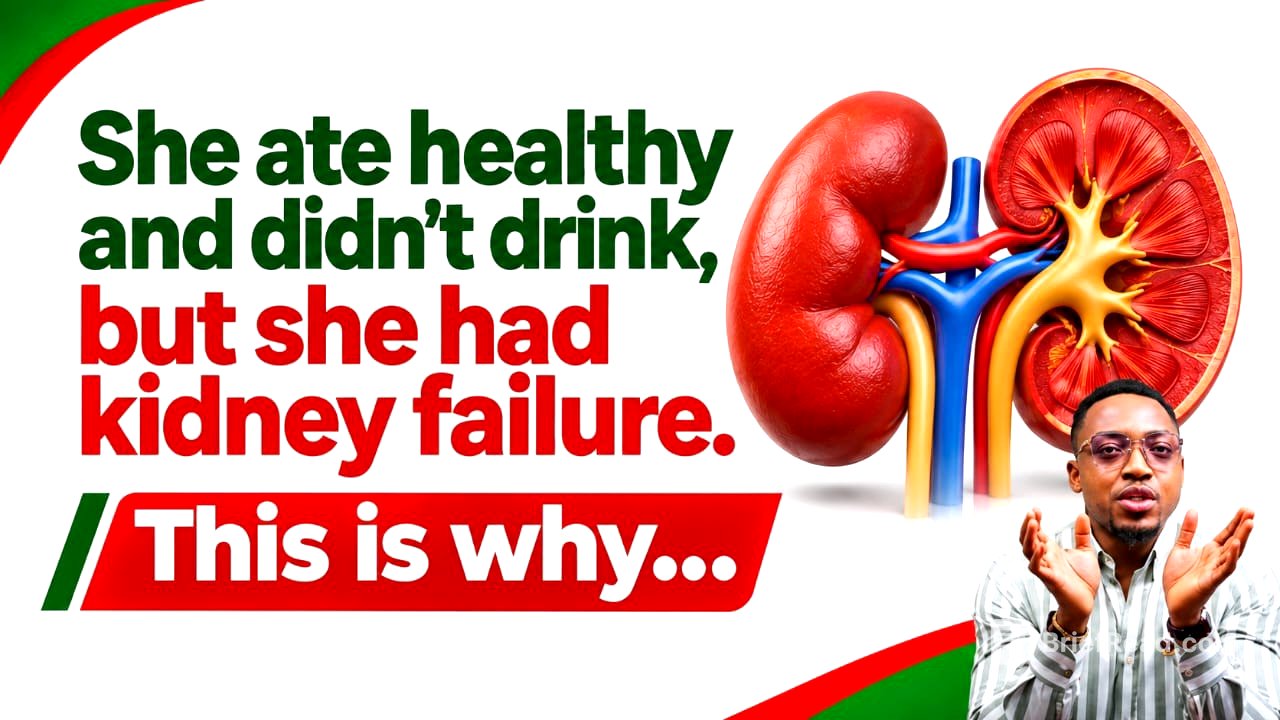
A 34-year-old bank worker in Lagos had normal blood sugar, was not overweight and did not smoke or drink. She regularly took NSAID painkillers for headaches, sometimes three or four times a week, while her blood pressure rose without her knowing. She also developed tiredness, swelling around her ankles and foamy urine, but dismissed these signs. By the time she went to hospital, both kidneys were functioning at less than 15%.
Kidney Failure at Less Than 15% Kidney Function [2:22]
With kidney function below 15%, she was told she would need dialysis or a transplant. Dialysis connects the patient’s blood supply to a machine that cleans the blood, and may be needed two or three times a week, depending on the treatment plan. A transplant is expensive, and afterwards the patient must take long-term medication to prevent the body rejecting the new kidney. Her case raises the question of how kidney failure can occur in a young person without the commonly recognised risk factors.
What Do the Kidneys Actually Do? [3:39]
Most people have two kidneys, each containing about one million tiny filtering units called nephrons. They remove waste and excess water from the blood while keeping useful substances, including blood cells and protein, in the body. The kidneys also help control blood pressure, support the production of blood and balance salt and water. The body cannot make new nephrons, so when some are damaged, the remaining filters must work harder.
How Kidney Damage Happens Without Symptoms [4:46]
Because the remaining nephrons compensate for damaged ones, kidney function can decline without a person noticing. Someone may lose more than half of their kidney function and still feel well. This makes routine checks important: feeling healthy does not necessarily mean the kidneys are working normally.
The APOL1 Gene and Kidney Failure in Africans [5:43]
APOL1 is a gene that provides instructions to the body. The video explains that certain APOL1 variants, known as G1 and G2, became common in West Africa because they helped protect people against sleeping sickness. People who carried these variants were more likely to survive and pass them on to their children. A trait that helped protect earlier generations can also carry health risks.
How Your DNA Can Increase Kidney Disease Risk [7:28]
A person inherits one copy of a gene from each parent. Having one APOL1 risk variant does not necessarily mean kidney failure will occur, but having two copies—one from each parent—places someone in a higher-risk group. These variants are associated with a greater burden of kidney failure among many African populations. They increase susceptibility rather than determine a person’s outcome.
Does Having the APOL1 Gene Mean Kidney Failure? [8:40]
Having two APOL1 risk variants is not a guarantee of kidney failure; some people with them maintain normal kidney function throughout their lives. The video describes additional factors that can activate or worsen the risk as a “second hit”. In other words, genetic susceptibility may need to combine with other triggers before kidney injury develops.
Infections and Other Triggers of Kidney Damage [9:20]
A serious infection can cause the body to release interferon, a signalling protein that helps coordinate the immune response. In someone with two APOL1 risk variants, this immune alarm may contribute to a damaging reaction in the kidneys. Family history is another important clue, so ask relatives whether anyone needed dialysis, died from kidney problems or had swelling in their legs or body. Ask relatives on both sides of the family, as a person inherits genes from both parents.
How to Check Your Family History of Kidney Disease [10:32]
Ask your parents and other relatives separately about kidney problems, dialysis and unexplained swelling before someone died. Relatives may not know the name of a condition, so symptoms and treatments can offer useful clues. Knowing your family history can help you decide whether you need closer monitoring and regular tests.
Kidney Tests You Should Do Every Year [11:25]
People with a family history of kidney failure should consider kidney checks at least once a year. A blood test measures creatinine, which helps a clinician calculate the estimated glomerular filtration rate (eGFR), a score showing how well the kidneys filter blood. A urine test checks for protein, which should normally remain in the blood. Both tests help assess kidney health.
Foamy Urine: An Early Warning Sign of Kidney Damage [12:21]
Bubbles in urine are not necessarily the same as persistent foam that resembles beer. Foam that regularly returns may indicate protein leaking into the urine because the kidney filters are damaged. This can be an early warning sign that appears years before other symptoms, so persistent foamy urine should be assessed by a healthcare professional.
High Blood Pressure and Kidney Failure [13:05]
Uncontrolled high blood pressure can damage the kidneys, while kidney problems can also affect blood pressure. Hypertension often has no noticeable symptoms until damage has begun. Check your blood pressure regularly; the video notes that pharmacies may offer checks.
How Frequent Painkiller Use Can Damage Your Kidneys [13:45]
Frequent use of non-steroidal anti-inflammatory drugs (NSAIDs) can harm the kidneys. Examples include ibuprofen and diclofenac, as well as some pain-relief powders. These medicines can help some people, but they should not be taken every day without medical guidance, particularly if a person may already be at risk of kidney damage.
Severe Period Pain: When to See a Doctor [14:43]
If period pain is severe enough to disrupt daily life, do not simply accept it as a normal part of menstruation. Seek medical advice to find out why the pain is occurring and whether it can be diagnosed and treated. The video also cautions against relying on frequent painkiller use to manage recurring period pain.
Can Herbal Mixtures and Detox Teas Damage Your Kidneys? [14:58]
Unlabelled mixtures and detox, slimming or “fibroid-cleansing” teas may have unknown ingredients and strengths. Without this information, it is difficult to judge their effects or use them safely, and taking them can amount to experimenting with your kidneys. The concern applies especially to products that do not say what they contain or how much of each ingredient is present.
Are Traditional Herbal Remedies Safe? [16:14]
The video does not claim that all traditional remedies are harmful. Some modern medicines originated from traditional sources, but researchers identify and purify specific useful compounds because plants can also contain harmful substances. Remedies should be properly investigated so their ingredients and effects are known, rather than assumed safe simply because they are natural or traditional.
How Too Much Salt Can Damage Your Kidneys [17:04]
Salt comes not only from what people add at the table, but also from seasoning cubes and processed foods such as tinned tomatoes and sardines. Salt is necessary, but too much sodium can raise blood pressure and increase strain on the kidneys. The video cites a World Health Organization recommendation of no more than one teaspoon of salt a day. Onions, pepper, ginger and garlic can add flavour as people reduce their salt intake.
Does the APOL1 Gene Guarantee Kidney Failure? [18:16]
APOL1 risk variants do not guarantee kidney failure. They are an inherited susceptibility that may make the kidneys less able to tolerate further stress or damage. People who may carry the variants should therefore take extra care with kidney health rather than assume that another person’s habits or outcomes will apply to them.
How to Protect Your Kidneys From Kidney Disease [18:58]
Protect your kidneys by checking blood pressure, paying attention to persistent foamy urine and arranging kidney tests if you have a family history. Avoid taking NSAID painkillers frequently without medical advice, be cautious with products whose ingredients are unclear and limit excess salt. Seek medical attention for concerning symptoms rather than waiting for them to become severe.
Share This Video to Help Prevent Kidney Failure [19:06]
Sharing reliable information can prompt families to discuss kidney disease and learn about their medical history. Encourage relatives to ask about dialysis, kidney problems and swelling in the family, and pass on practical advice about testing and risk factors. The aim is to help people recognise risks early and protect their kidneys.