TLDR;
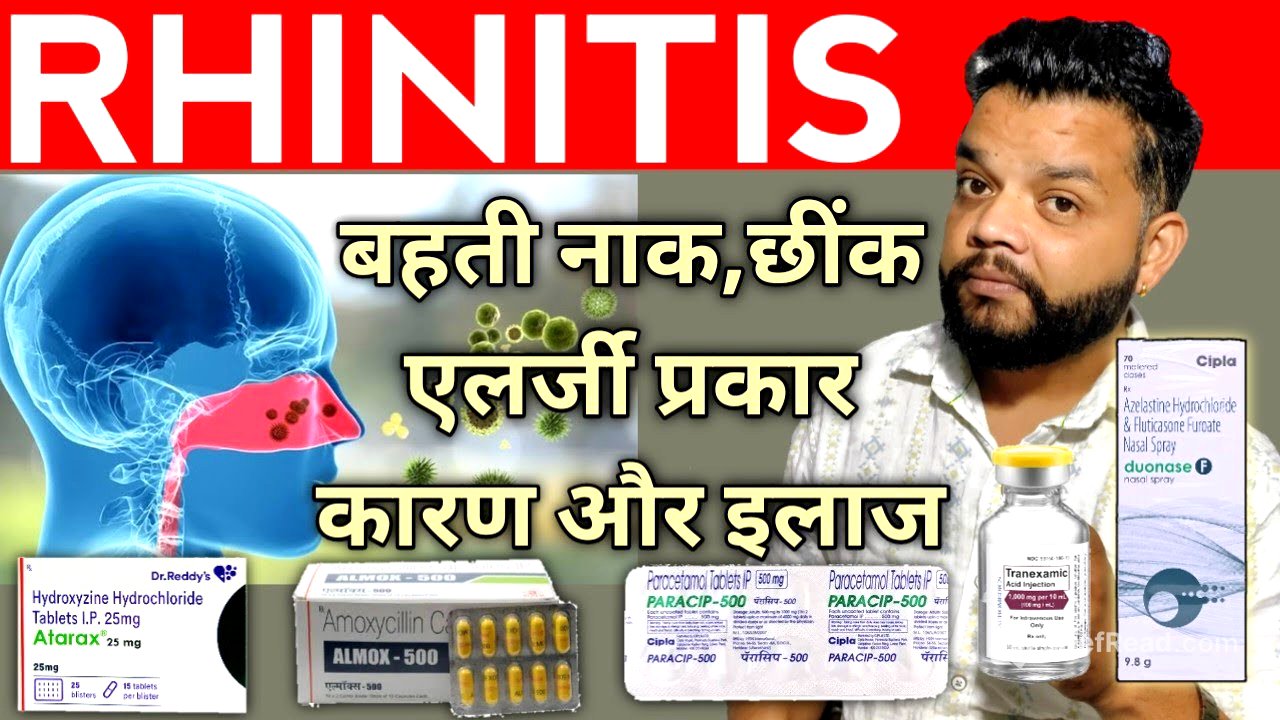
The video discusses rhinitis, a condition that often affects individuals during the rainy season, resulting in symptoms resembling cold or flu. Rhinitis can be allergic, non-allergic, or caused by infections. Different treatments, including various medications and nasal sprays, are provided to manage symptoms.
- Rhinitis has different types, including allergic, non-allergic, and infection-related.
- Common symptoms include a runny or stuffed nose, sneezing, potential eye infections, and treatment options such as antihistamines and nasal sprays.
Overview of Rhinitis [0:00]
The video starts by explaining rhinitis, especially how it affects people during the rainy season. It highlights that exposure to rain can lead to colds, which may be mistaken for rhinitis. Symptoms of rhinitis include excessive nasal discharge and stuffiness. Viewers are encouraged to watch the entire video for comprehensive information about the condition.
Symptoms and Types of Rhinitis [0:20]
The presenter notes that symptoms of rhinitis often resemble those of hay fever. Rhinitis is not curable permanently, as it is an allergic condition that can recur. It is categorized into three types: allergic rhinitis, non-allergic rhinitis, and rhinitis associated with infections. The nasal mucosa, which helps protect against germs, can become inflamed due to various allergens or infections, leading to symptoms like frequent sneezing and nasal pain.
Causes of Non-Allergic Rhinitis [2:02]
Non-allergic rhinitis can arise from infections picked up in crowded places, such as hospitals, or from an increase in eosinophils (a type of white blood cell) that can trigger rhinitis without any allergy. The term "rhinitis" is explained, showing how it relates to the nasal structure, further clarifying the condition's terminology.
Diagnosis and Symptoms Identification [2:58]
Diagnosis of rhinitis may involve checking eosinophil levels, nasal smears, and IgE antibody levels. X-rays may also be used for a thorough examination. Common symptoms include a runny nose, nasal blockages, sleep disturbances, and sometimes, conjunctivitis, which leads to red eyes and infection. Asthma may also develop as a complication of rhinitis.
Treatment Options for Rhinitis [3:40]
Treatment for rhinitis is manageable with various medications. Antihistamines like Cetirizine (10 mg) or Chlorpheniramine Maleate are recommended for seven days, especially if allergic reactions are present. Alternative medications like Pheniramine can be used if others are unavailable. For nasal obstruction, nasal sprays like Dozonoze (containing Azelastine) are suggested, with a warning to limit use to no more than ten days to avoid adverse effects on the nasal membranes.
Steroid Treatments and Precautions [5:30]
The video discusses the use of steroids such as Hydrocortisone (100 mg) and Dexamethasone (0.5 mg twice daily) in treatment. It also advises on the risks of dehydration due to these medications, emphasizing the importance of fluid intake. Patients should be cautious as these medications may cause drowsiness, posing risks if driving or operating machinery.
Conclusion and Additional Medications [6:50]
In conclusion, the video outlines that medications like Cetirizine, Chlorpheniramine, or Dexamethasone can effectively manage rhinitis symptoms. In cases of infection, Amoxicillin or Azithromycin may be necessary. The presenters encourage viewers to understand rhinitis and its treatment options while promoting the channel for further health-related content.






![[IMP] Complete the microtheme loop for prelims & mains || UPSC 2026/27](https://wm-img.halpindev.com/p-briefread_c-10_b-10/urlb/aHR0cDovL2ltZy55b3V0dWJlLmNvbS92aS9EWlVhZjVFS2dzYy9ocWRlZmF1bHQuanBn.jpg)